Plants
11 Easy-Care Plants For Garden Borders That Thrive On Neglect
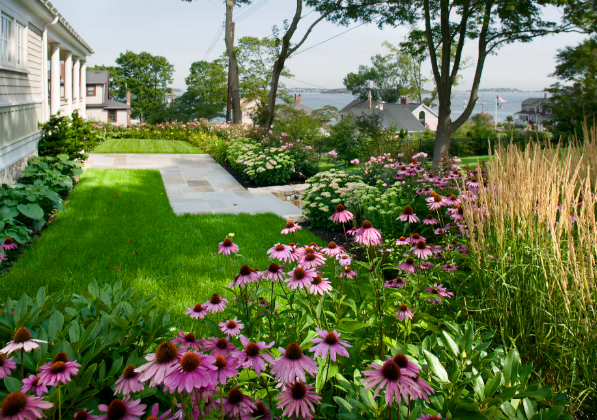
Not everyone has time to baby their garden. The good news? Some plants actually prefer a little neglect. If you want beautiful garden borders without constant watering, pruning, and feeding, these tough, low-maintenance plants are exactly what you need.
Whether you’re creating a cottage-style edge or a clean modern border, these resilient plants will keep your garden looking amazing with minimal effort.
1. Lavender (Lavandula)
Lavender loves poor soil, full sun, and dry conditions. In fact, too much water can harm it. Once established, it barely needs attention.
Why it thrives on neglect:
-
Drought tolerant
-
Rarely bothered by pests
-
Minimal feeding required
Bonus: The fragrance naturally repels mosquitoes.
2. Sedum (Stonecrop)
Sedum is a succulent perennial that stores water in its leaves, making it perfect for dry borders.
Why it thrives on neglect:
-
Handles poor soil
-
Extremely drought resistant
-
Looks great year-round
It adds texture and late-season color when many plants fade.
3. Daylilies (Hemerocallis)
Daylilies are nearly indestructible. They tolerate heat, drought, and different soil types.
Why it thrives on neglect:
-
Survives tough conditions
-
Rarely needs dividing
-
Returns reliably every year
Perfect for colorful, low-effort borders.
4. Russian Sage (Salvia yangii)
Formerly known as Perovskia, Russian sage thrives in heat and dry soil.
Why it thrives on neglect:
-
Drought tolerant
-
Deer resistant
-
Blooms for months
Its silvery foliage adds contrast to green-heavy borders.
5. Coneflower (Echinacea)
Coneflowers are tough prairie natives that handle poor soil and dry spells with ease.
Why it thrives on neglect:
-
Heat and drought resistant
-
Attracts pollinators
-
Self-seeds naturally
They bring long-lasting summer color.
6. Black-Eyed Susan (Rudbeckia)
Bright and cheerful, Black-Eyed Susans grow almost anywhere.
Why it thrives on neglect:
-
Tolerates poor soil
-
Resistant to pests
-
Self-seeds easily
A great filler plant for sunny borders.
7. Catmint (Nepeta)
Catmint forms soft mounds of lavender-blue flowers that bloom for months.
Why it thrives on neglect:
-
Extremely drought tolerant
-
Rarely needs fertilizing
-
Deer and rabbit resistant
It’s perfect for edging walkways.
8. Yarrow (Achillea)
Yarrow thrives in dry, sandy soil and full sun.
Why it thrives on neglect:
-
Handles heat easily
-
Requires little watering
-
Spreads naturally
Its flat flower clusters add a wildflower feel.
9. Ornamental Grasses (Miscanthus, Festuca)
Ornamental grasses provide movement and structure with almost zero effort.
Why they thrive on neglect:
-
Adaptable to many soils
-
Drought resistant
-
Cut back once per year
They create a modern, airy border look.
10. Coreopsis
Coreopsis produces bright, daisy-like flowers for months.
Why it thrives on neglect:
-
Tolerates dry soil
-
Long blooming season
-
Minimal feeding required
A reliable choice for sunny edges.
11. Lamb’s Ear (Stachys byzantina)
Known for its soft, silvery leaves, Lamb’s Ear is incredibly hardy.
Why it thrives on neglect:
-
Grows in poor soil
-
Drought tolerant
-
Rarely affected by pests
It creates a beautiful ground-cover effect along borders.
Tips for a Truly Low-Maintenance Border
✔ Choose full-sun plants for sunny areas
✔ Avoid overwatering
✔ Skip heavy fertilizing
✔ Group plants with similar needs together
✔ Add mulch to reduce weeds
When you select plants that naturally thrive in tough conditions, your garden border becomes nearly self-sufficient.
Final Thoughts
A stunning garden border doesn’t have to mean endless work. These 11 easy-care plants prove that sometimes, less attention leads to better results.
Plant them once, give them a good start, and then step back. Your garden will reward you season after season — even if you forget about it.

You must be logged in to post a comment Login