Plant Care, Soil & Tips
11 Self-Seeding Flowers That Provide Continuous Seasonal Color
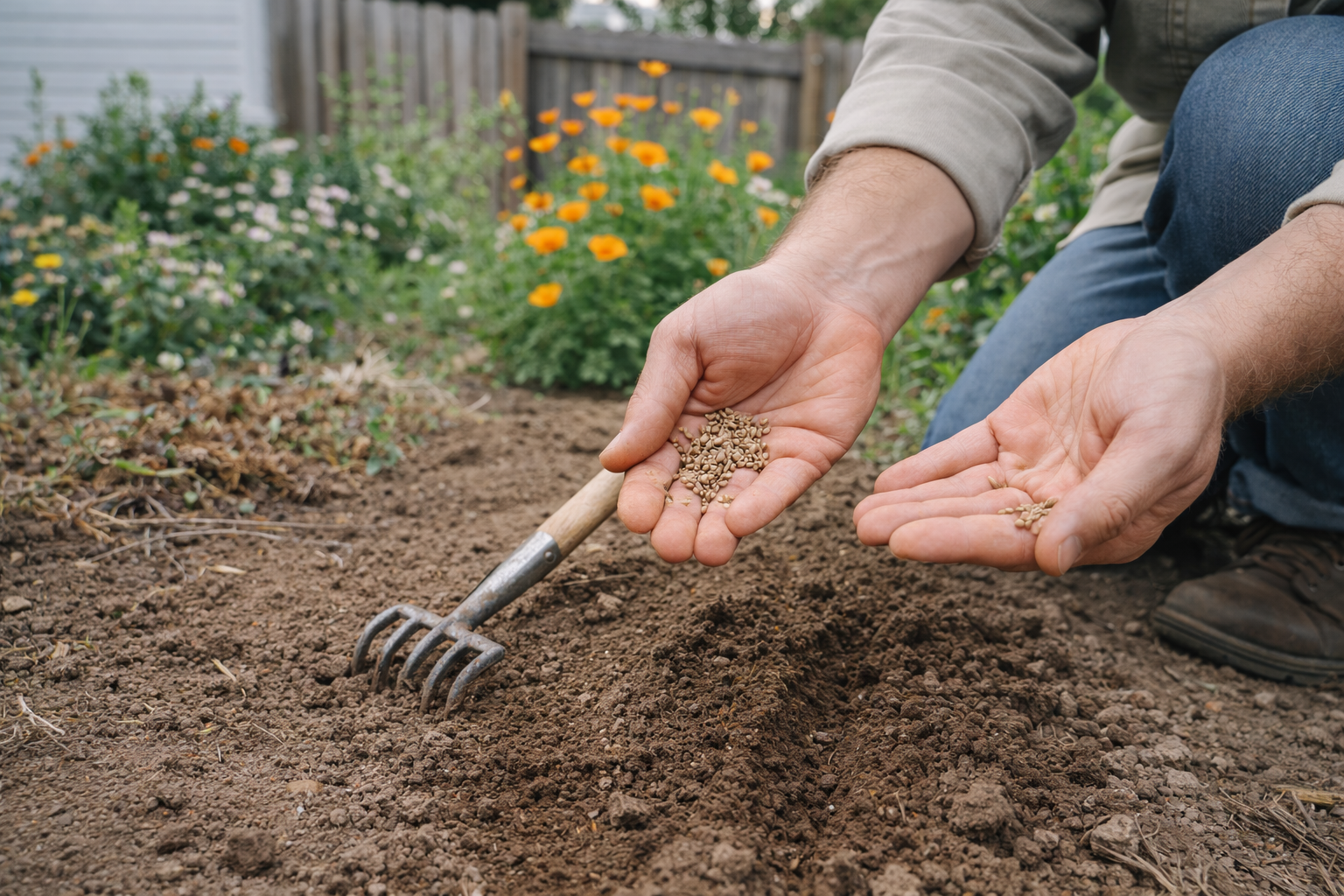
If you love a garden that looks vibrant and full without replanting every year, self-seeding flowers are your best friend. These easy-care bloomers drop seeds naturally and return season after season — often even better than before.
By choosing the right varieties, you can enjoy continuous color from spring through fall with very little maintenance.
Let’s explore 11 beautiful self-seeding flowers that keep your garden alive with color all season long.
1. California Poppy (Eschscholzia californica)
Bright, cheerful, and drought-tolerant, California poppies thrive in sunny spots. Once established, they reseed generously and return every year in warm shades of orange, yellow, and red.
Bloom Time: Spring to early summer
Best For: Dry, sunny gardens
Bonus: Deer-resistant and low water needs
2. Calendula (Pot Marigold)
Calendula produces sunny orange and golden blooms for months. It self-seeds easily and often pops up in unexpected places, creating a charming cottage-garden feel.
Bloom Time: Spring through fall
Best For: Vegetable gardens and borders
Bonus: Edible petals and pollinator-friendly
3. Nigella (Love-in-a-Mist)
With delicate blue, white, or pink flowers and unique seed pods, Nigella is both elegant and reliable. It reseeds quickly and spreads naturally without becoming invasive.
Bloom Time: Late spring to early summer
Best For: Cottage gardens
Bonus: Stunning dried seed pods for arrangements
4. Cosmos
Cosmos are fast-growing and bloom non-stop from early summer until frost. Their airy stems and daisy-like flowers attract butterflies and reseed easily in sunny gardens.
Bloom Time: Summer to frost
Best For: Wildflower gardens
Bonus: Extremely low maintenance
5. Larkspur
Larkspur offers tall spikes of blue, purple, pink, or white flowers. It self-sows readily and adds vertical interest to garden beds.
Bloom Time: Late spring
Best For: Back of borders
Bonus: Excellent for cut flowers
6. Sweet Alyssum
This low-growing flower forms fragrant carpets of tiny white, pink, or purple blooms. Sweet alyssum reseeds easily and can bloom continuously in cooler weather.
Bloom Time: Spring and fall
Best For: Edges and containers
Bonus: Sweet honey scent
7. Bachelor’s Buttons (Cornflower)
Easy to grow and highly dependable, bachelor’s buttons produce vibrant blue (and sometimes pink or white) blooms that self-seed effortlessly.
Bloom Time: Late spring to early summer
Best For: Pollinator gardens
Bonus: Attracts bees and butterflies
8. Verbena (Tall Varieties)
Tall annual verbena creates clusters of purple blooms that butterflies love. Once planted, it reseeds and reappears each year in warm climates.
Bloom Time: Summer
Best For: Sunny borders
Bonus: Excellent heat tolerance
9. Cleome (Spider Flower)
Cleome produces tall, dramatic blooms in pink, white, or purple. It self-seeds freely and fills garden gaps beautifully.
Bloom Time: Summer to fall
Best For: Background planting
Bonus: Thrives in poor soil
10. Four O’Clocks (Mirabilis jalapa)
These fragrant flowers open in the late afternoon and bloom in multiple colors — sometimes even on the same plant! They drop seeds and return reliably each year in warm climates.
Bloom Time: Summer evenings
Best For: Fragrant gardens
Bonus: Unique multi-colored blooms
11. Black-Eyed Susan (Rudbeckia)
Some varieties of Black-Eyed Susan reseed naturally, creating cheerful golden blooms year after year.
Bloom Time: Summer to fall
Best For: Native gardens
Bonus: Long-lasting flowers
How to Encourage Self-Seeding
To get the most from self-seeding flowers:
-
Avoid heavy mulching in reseeding areas
-
Leave some spent flowers to form seed heads
-
Lightly rake soil in early spring
-
Avoid overwatering established plants
With a little patience, your garden will start managing itself.
Why Gardeners Love Self-Seeding Flowers
✔ Less work each year
✔ Continuous seasonal color
✔ Natural, cottage-style charm
✔ Budget-friendly gardening
✔ Excellent for pollinators
Once you plant them, they do the rest.
Final Thoughts
Self-seeding flowers are the secret to a garden that feels alive and constantly evolving. By mixing early, mid, and late-season bloomers, you can enjoy color from the first warm days of spring until the first frost of fall — without replanting every year.
Plant them once, and let nature take over.

You must be logged in to post a comment Login