Plant Care, Soil & Tips
Cut Back These Plants Before March or They’ll Struggle All Season
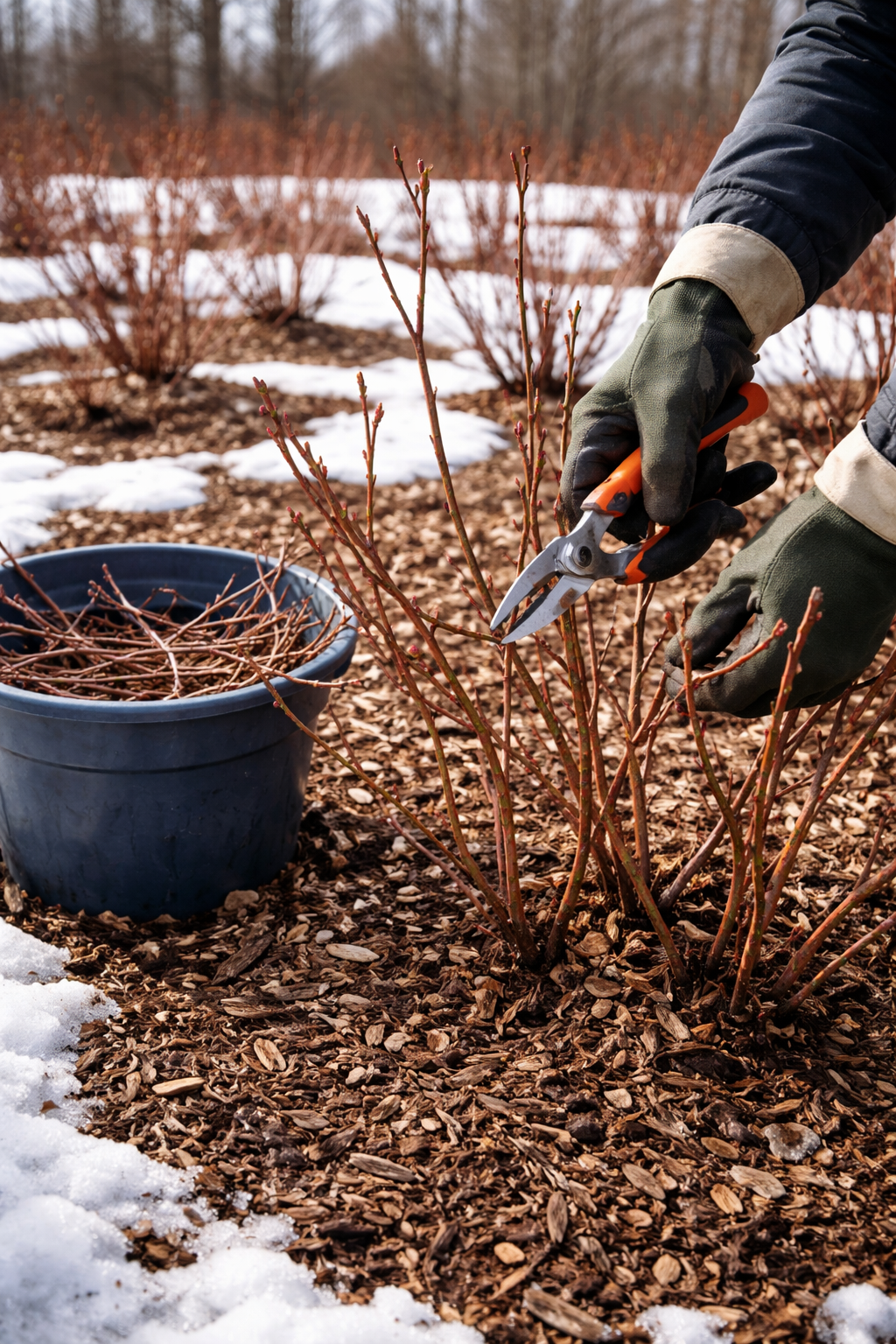
Late winter is one of the most important – and most misunderstood – times in the gardening calendar. Many plants are still dormant, temperatures are cool, and growth hasn’t exploded yet.
To some gardeners, it feels too early to do anything.
But experienced growers know the truth: what you prune before March often determines how your plants perform for the entire season.
Pruning at the right time encourages stronger growth, better flowering, healthier structure, and disease resistance.
Pruning at the wrong time – or skipping it altogether – can lead to weak stems, fewer blooms, overcrowding, and plants that simply limp through the year.
Late winter pruning works because plants are dormant. Energy is stored in the roots, and cuts heal quickly once spring growth begins. By shaping plants now, you direct that stored energy exactly where it matters.
Here are the key plants you should cut back before March, why timing matters, and how to do it correctly so they thrive all season.
Why Late Winter Pruning Matters So Much
Before we talk about specific plants, it helps to understand why this window is so powerful.
Late winter pruning:
- Redirects energy into healthy new shoots
- Removes diseased or dead wood before pests spread
- Improves airflow and light penetration
- Prevents weak, leggy growth
- Encourages stronger blooms and fruiting
- Resets plant shape before active growth starts
Once spring growth begins, pruning becomes more stressful for many plants. That’s why February to early March is a golden window.
1. Roses (Repeat-Blooming and Hybrid Teas)
If roses aren’t pruned before spring growth, they often become woody, tangled, and bloom poorly.
Late winter pruning encourages fresh canes that produce bigger, healthier flowers.
Cut back:
- Dead or blackened stems
- Thin, weak growth
- Crossing branches
- Old woody canes
Aim for an open, vase-shaped structure that allows airflow and sunlight. Most repeat-blooming roses benefit from being cut back to 12–18 inches tall.
Result: larger blooms, stronger stems, and fewer diseases.
2. Hydrangeas (But Only Certain Types)
This is where many gardeners panic – and for good reason.
Only prune hydrangeas that bloom on new wood, such as:
- Panicle hydrangeas
- Smooth hydrangeas
These can be safely cut back before March because they flower on current-season growth.
Remove:
- Old flower heads
- Weak stems
- Dead wood
Avoid heavy pruning on bigleaf or oakleaf hydrangeas, which bloom on old wood.
Result: bigger flower heads and sturdier plants.
3. Butterfly Bush
Butterfly bushes bloom on new growth. If not cut back, they become leggy and produce fewer flowers.
Cut them down to 12–24 inches from the ground before March. This may feel drastic, but it triggers strong, flowering shoots.
Result: compact shape and heavy summer blooms that attract pollinators.
4. Lavender (Light Pruning Only)
Lavender benefits from shaping before spring, but never cut into old woody stems that lack green growth.
Trim:
- About one-third of soft growth
- Any winter damage
- Straggly stems
This keeps plants compact and prevents splitting later.
Result: fuller plants with more flowers and stronger fragrance.
5. Russian Sage
Russian sage responds extremely well to hard pruning in late winter. Cut it back to 6–12 inches tall before new growth starts.
Without pruning, it becomes floppy and woody. Result: upright stems and abundant purple blooms.
6. Ornamental Grasses
Many ornamental grasses should be cut back before spring shoots appear. Tie the grass into a bundle and cut down to 6–12 inches tall.
If left uncut, new growth tangles with old blades and looks messy. Result: fresh, clean growth and healthier clumps.
7. Fruit Trees (Apples and Pears)
Late winter is prime pruning time for many fruit trees.
Remove:
- Dead or diseased wood
- Crossing branches
- Vertical water sprouts
- Dense interior growth
An open canopy allows sunlight and airflow, which improves fruit quality and reduces disease.
Result: larger, healthier harvests.
8. Blueberries
Blueberries benefit greatly from late winter pruning.
Remove:
- Old woody canes
- Weak shoots
- Low-growing branches
This encourages new fruiting wood.
Result: sweeter berries and higher yields.
9. Spirea (Summer-Blooming Types)
Summer-blooming spirea flowers on new growth and can be cut back hard before spring. Trim to 6–12 inches tall.
This rejuvenates the plant. Result: dense growth and more flowers.
10. Perennial Flowers That Die Back
Many perennials benefit from cleanup before spring:
- Coneflowers
- Black-eyed Susans
- Bee balm
- Phlox
Cut old stems to a few inches above ground.
Result: healthier new shoots and fewer pests overwintering.
Plants You SHOULD NOT Cut Back Before March
Timing matters just as much as the plants themselves.
Avoid pruning:
- Spring-blooming lilacs
- Forsythia
- Azaleas
- Rhododendrons
- Bigleaf hydrangeas
These bloom on old wood. Pruning now removes this year’s flowers.
How to Prune Correctly
Good pruning isn’t just cutting – it’s strategic shaping.
Always:
- Use sharp, clean pruners
- Cut above a bud node
- Angle cuts slightly
- Remove dead wood first
- Step back and check shape
Clean cuts heal faster and reduce disease risk.
Signs a Plant Needs Pruning
Look for:
- Dead or brittle stems
- Crowded growth
- Reduced flowering
- Tangled branches
- Weak, thin shoots
These are signals the plant needs a reset.
Why Pruning Before March Makes the Biggest Difference
Once plants break dormancy, energy moves upward. Pruning then wastes stored energy.
Pruning before growth begins:
- Directs energy efficiently
- Reduces stress
- Speeds healing
- Encourages vigorous shoots
It’s like giving the plant a head start.
The Biggest Pruning Mistakes
Avoid:
- Cutting too late in spring
- Leaving stubs instead of clean cuts
- Using dull tools
- Over-pruning spring bloomers
- Ignoring dead wood
Pruning is powerful when done right – harmful when rushed.
Late winter pruning isn’t just maintenance. It’s one of the most impactful actions you can take for a healthier garden.

You must be logged in to post a comment Login