Plants
The Hidden Power of Common Lantana (Lantana camara): What You Can Safely Do with It at Home
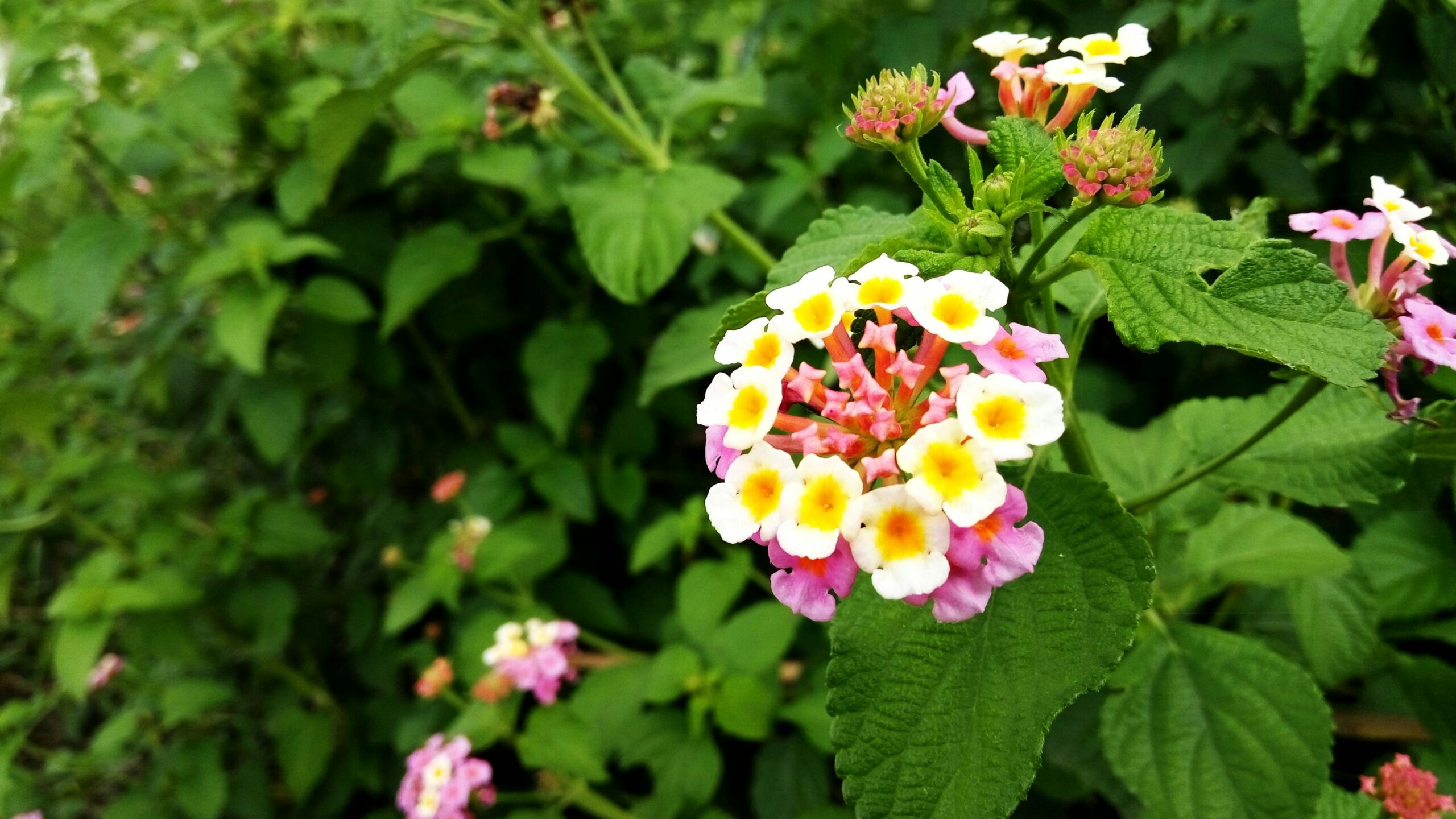
Common Lantana (Lantana camara) is often overlooked in gardens, sometimes even considered a nuisance. But behind its bright clusters of flowers lies a plant with surprising uses—if handled with care. While it’s important to remember that some parts of the plant can be toxic, there are safe ways to enjoy its benefits at home.
What Makes Lantana Special?
Lantana is a hardy flowering shrub known for its vibrant blooms in shades of red, orange, yellow, pink, and purple. Beyond its ornamental beauty, studies have highlighted its potential for:
-
Antimicrobial properties: Certain compounds in lantana have been shown to combat bacteria and fungi.
-
Anti-inflammatory effects: Some traditional remedies use lantana leaves to soothe minor inflammation.
-
Natural pest control: Lantana can help repel certain insects in gardens.
Safety First: Handling Lantana at Home
It’s crucial to note that the berries and leaves of lantana can be toxic if ingested in large quantities, particularly to children and pets. However, there are safe ways to use it:
-
Avoid eating the berries or leaves raw.
-
Wear gloves when handling leaves to prevent skin irritation in sensitive individuals.
-
Use only properly prepared extracts for home remedies.
Safe Uses of Lantana at Home
Here are a few ways you can enjoy lantana without risk:
1. Garden Pest Deterrent
Plant lantana near vegetable gardens or flowerbeds. Its strong scent can naturally discourage harmful insects like mosquitoes and aphids.
2. Decorative Arrangements
Cut lantana flowers can brighten up indoor vases, adding color to your home décor. Just make sure children and pets do not have access to the cuttings.
3. Natural Leaf Extracts (Topical Use Only)
In some traditional remedies, lantana leaves are used as a paste for minor skin irritations or insect bites. Always do a small patch test first, and never apply on open wounds.
4. Pollinator Magnet
Planting lantana outdoors attracts butterflies, bees, and hummingbirds, which can help pollinate your garden naturally.
A Word of Caution
Despite its benefits, lantana should never be consumed raw. Pets, especially dogs and cats, are highly sensitive to lantana toxicity. Pregnant or nursing individuals should avoid using homemade extracts.
How to use Lantana (Lantana camara)…
1. Leaves for Skin Issues
Usage: Fresh Lantana leaves are sometimes used topically for wounds, cuts, and insect bites.
How to use:
Wash fresh leaves thoroughly.
Crush or grind them into a paste.
Apply gently to the affected area.
Benefit: Traditionally used for minor infections and inflammation.
2. Leaves for Fever or Cough (Folk Remedies)
Usage: Decoctions or teas made from leaves are used in some cultures to help with mild fever or respiratory issues.
How to prepare:
Take 5–10 fresh or dried leaves.
Boil in 2 cups of water for 5–10 minutes.
Strain and drink warm.
Caution: Do not drink large amounts; Lantana can be toxic internally if overused.
3. Aromatherapy / Insect Repellent
Usage: Lantana leaves and flowers can repel mosquitoes and other insects.
How to use:
Crush leaves and flowers.
Place them near doors, windows, or bedding areas.
4. External Poultices
Some traditional practices use leaves or flowers boiled, then wrapped in cloth and applied to swellings or minor skin infections.
Conclusion
Lantana is more than just a colorful garden plant—it’s a hidden powerhouse with safe, practical uses at home. By handling it carefully and knowing which parts to avoid, you can enjoy its beauty, attract pollinators, and even explore gentle home remedies.

You must be logged in to post a comment Login