Plants
12 Houseplants You Can Propagate in Water All Year Round
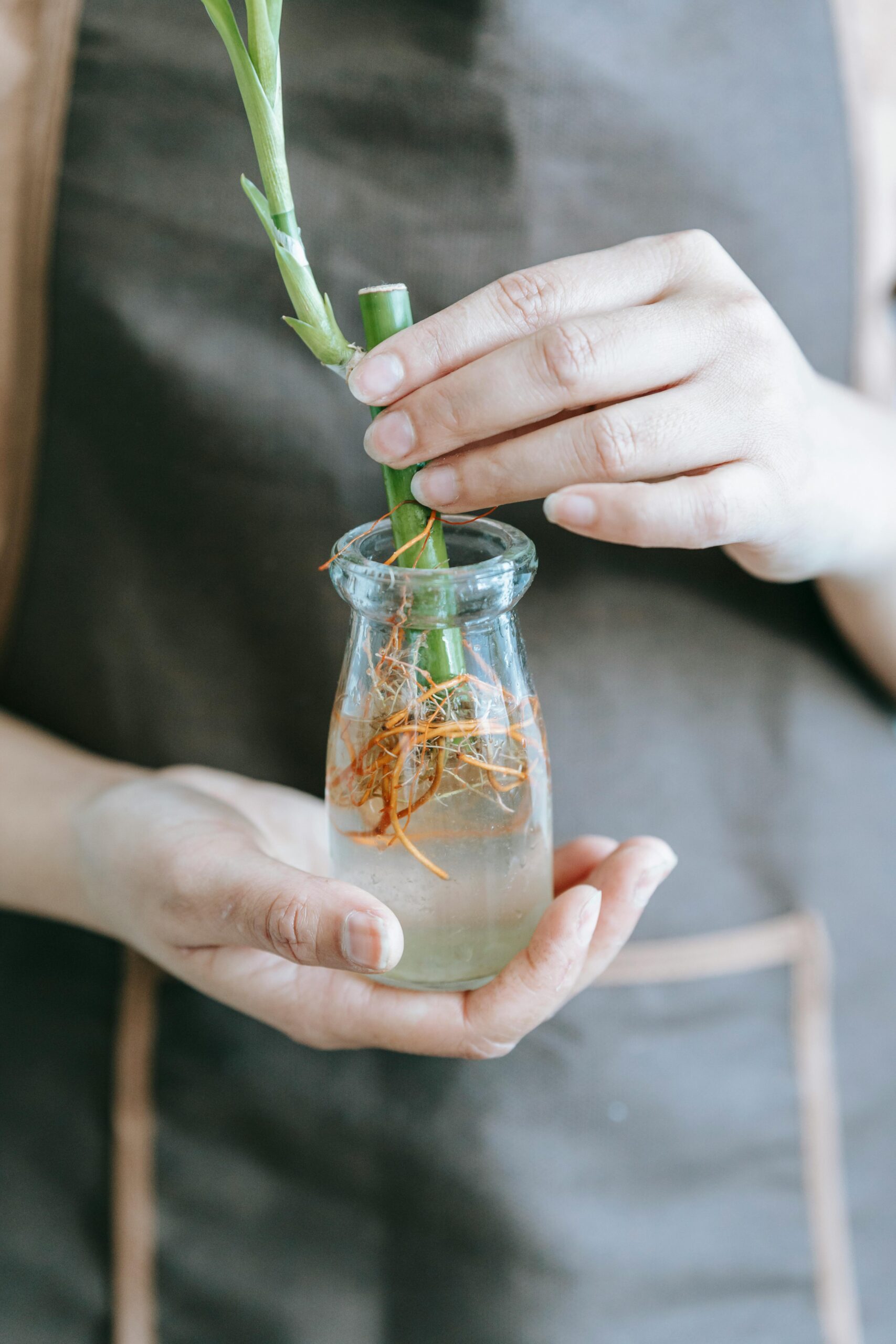
Propagating houseplants in water is one of the easiest and most satisfying ways to multiply your indoor garden.
You don’t need special equipment, soil, or complicated techniques – just a glass of clean water, bright indirect light, and a healthy cutting from a thriving plant.
Many popular houseplants develop roots quickly when placed in water, making year-round propagation not only possible but incredibly successful.
Water propagation works because the cuttings stay consistently hydrated, oxygenated, and visible. You can watch roots develop day by day, giving you full control over timing and care.
Here are 12 houseplants that root beautifully in water all year round, along with descriptions of why they thrive in water and what to expect during the rooting process.
1. Pothos (Epipremnum aureum)
Pothos is one of the easiest plants to propagate in water. Its nodes – the small bumps along the vine – quickly produce roots when submerged.
Pothos cuttings often begin to root within a week and can grow long, healthy water roots that adapt well if you later choose to transfer them into soil.
New plants tend to grow quickly, making pothos ideal for creating lush hanging baskets or sharing with friends.
2. Philodendron Heartleaf (Philodendron hederaceum)
Heartleaf philodendron is famous for rooting fast and thriving in water for months or even years. With its soft, flexible vines and large nodes, this plant adapts effortlessly to water propagation.
Roots begin to form within 7–10 days, and new leaf growth usually follows shortly after.
Because philodendrons love humidity and moisture, water propagation mimics their natural growth habits.
3. Snake Plant (Sansevieria)
Although snake plants are typically propagated in soil, they also root well in water when leaf sections are used. Water propagation encourages thick, white roots that later develop into new pups.
The key is to cut the leaf horizontally and partially submerge the bottom section in clean water.
Snake plants take longer to root than pothos or philodendrons, but the process works reliably all year long.
4. Spider Plant (Chlorophytum comosum)
Spider plants naturally produce baby offshoots, known as plantlets, that are perfect for water propagation. Simply snip a healthy plantlet and place the bottom nodes in water.
Roots appear within days, and the plantlet quickly establishes itself as a strong, independent plant.
Spider plants root best in bright, indirect light and thrive in water while waiting to be transferred to soil.
5. Wandering Jew (Tradescantia zebrina or Tradescantia fluminensis)
Tradescantia cuttings are incredibly fast to propagate. Their stems root almost instantly in water, sometimes within 48 hours.
The colorful leaves and trailing vines make them a decorative choice for windowsills or glass jars.
Because they grow so quickly, you can refresh your plant collection or fill out sparse pots with newly propagated cuttings anytime.
6. English Ivy (Hedera helix)
Ivy roots beautifully in water, especially when cuttings include at least two nodes. The roots emerge from the lower nodes while the upper leaves remain above water.
Ivy tends to root more quickly in cooler temperatures, making it an excellent year-round propagator even during the winter months.
Once rooted, ivy grows vigorously and transitions easily into soil.
7. Monstera Deliciosa
Monsteras are popular for their dramatic leaves, and they also propagate extremely well in water. Cuttings with a single node and aerial root respond especially quickly.
Roots form within two weeks, and the plant begins producing new leaves shortly after.
Water propagation allows you to observe root development, which helps ensure the cutting is healthy before transplanting.
8. Syngonium (Arrowhead Plant)
Syngonium plants have soft stems that produce roots easily in water. Their arrow-shaped leaves continue to grow and unfurl even while the cutting sits in a vase or jar.
Many plant lovers keep syngonium in water permanently because they adapt so well to aquatic environments.
Their rapid rooting makes them a perfect choice for beginners.
9. Coleus
Coleus is beloved for its colorful foliage, and water propagation keeps those vibrant leaves looking their best. Stem cuttings root almost immediately in water, often developing long roots within a week.
Because coleus can be propagated year-round, you can maintain your favorite varieties even if outdoor plants die back in winter.
Coleus thrives indoors and grows rapidly once rooted.
10. Mint (Mentha species)
Mint is a vigorous grower that thrives in water. Whether you’re propagating spearmint, peppermint, chocolate mint, or another variety, mint cuttings produce roots quickly and grow enthusiastically.
Because mint spreads aggressively in soil, propagating it in water is an easy way to control its growth and multiply your collection without risking overgrowth.
Mint cuttings also add a fresh scent to your kitchen or workspace.
11. ZZ Plant (Zamioculcas zamiifolia)
ZZ plants propagate slowly overall, but leaf cuttings or stem sections can root successfully in water over time.
The process requires patience, as roots may take several weeks to appear. Once rooted, however, ZZ plants become extremely hardy and resilient.
Water propagation is an excellent way to multiply this popular low-light plant without disturbing the mother plant.
12. Lucky Bamboo (Dracaena sanderiana)
Lucky bamboo is naturally suited to water-based living. It thrives in water-filled vases and only needs periodic water changes to stay healthy.
Cutting a healthy stalk and placing the bottom in water encourages fast rooting and steady vertical growth.
Lucky bamboo can be shaped, braided, or grown in clusters for personalized designs.
Tips for Successful Water Propagation
Successful water propagation depends on a few simple practices. Use clean, room-temperature water and change it regularly to prevent stagnation.
Trim cuttings just below a node, remove any leaves that would sit below water, and keep the jar in bright but indirect light. Oxygenated water encourages stronger roots, and using clear containers allows you to monitor root progress easily.
Most plants develop water roots before soil roots, so allow cuttings to grow several inches of strong roots before transferring to soil.
Many plants can also remain in water indefinitely if you prefer a hydroponic-style indoor garden.
Water propagation is one of the most rewarding and accessible ways to expand your indoor plant collection.

You must be logged in to post a comment Login