Plants
How to Grow Cloves in Pots: A Complete Guide With Pro Tips
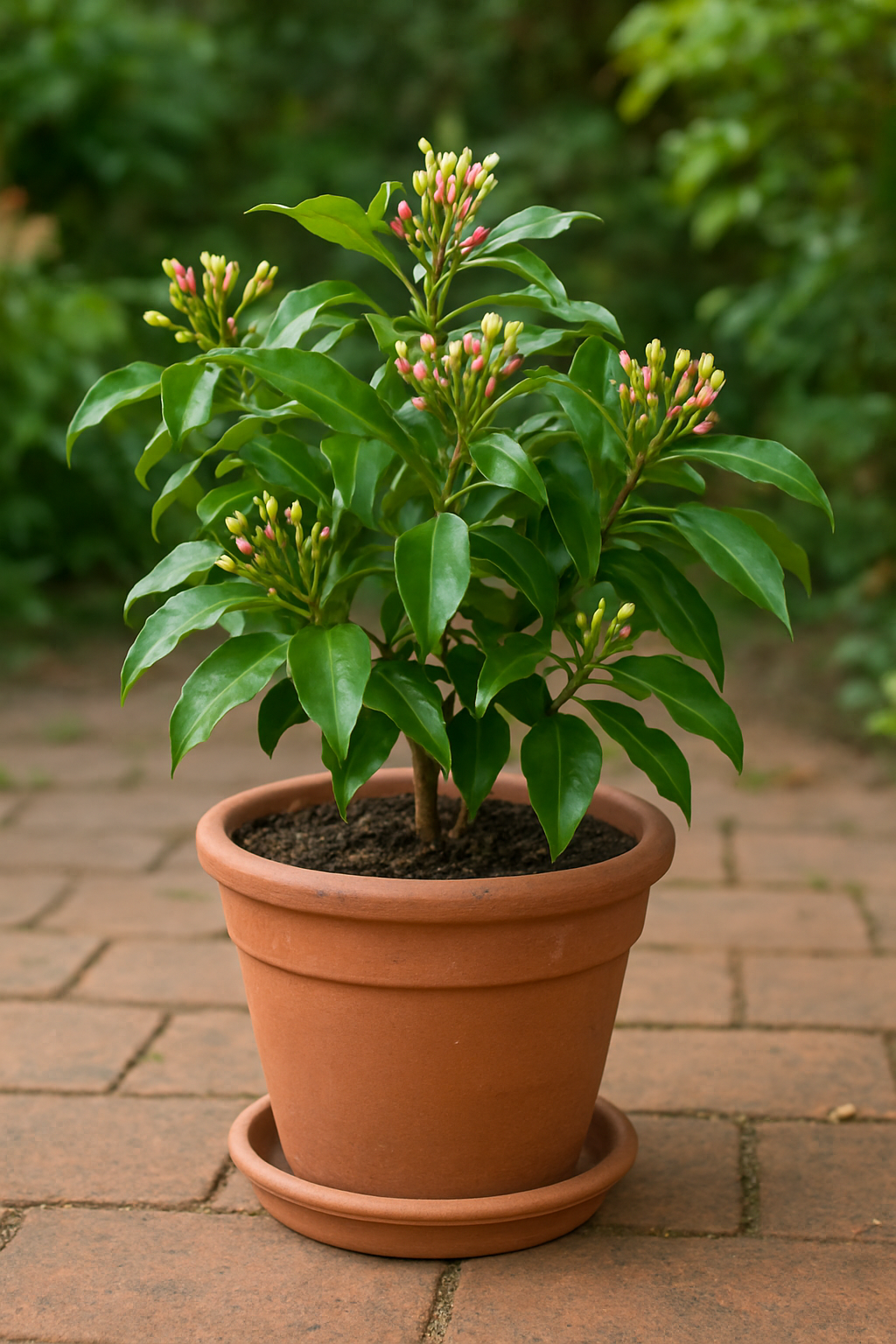
Cloves are more than a delicious spice — they’re the dried flower buds of the evergreen clove tree (Syzygium aromaticum), a tropical plant known for its glossy leaves, fragrant blooms, and high-value spice harvest.
The best part? You can grow cloves in pots, even if you don’t live in a tropical climate, as long as you create the right growing conditions.
This guide shows you exactly how to plant, care for, and maintain potted clove trees — plus pro tips to help your plant thrive.
What Are Cloves?
Cloves come from an evergreen tree native to Indonesia’s Spice Islands. The tree can grow 6–12 meters tall in the wild but stays much smaller in containers.
The spice itself is harvested from dried flower buds, which are picked when pink and dried until brown.
Can You Really Grow Cloves in Pots?
Yes — cloves grow very well in containers because:
-
They have slow, steady growth
-
They like consistent moisture
-
They thrive with controlled warmth and humidity
-
Pots help protect them from cold climates
A potted clove tree may take 3–5 years to bloom, but with the right care, it will reward you with a beautiful, fragrant decorative plant — and eventually, your own cloves.
How to Grow Cloves in Pots: Step-by-Step
1. Choose the Right Pot
Clove trees have deep roots, so pot size is important.
Recommended pot:
-
Minimum 12–16 liters to start
-
Deep pot with good drainage
-
Material: Clay or plastic
-
Add a saucer to maintain humidity
As the tree grows, move it into a 25–30 liter container.
2. Use the Perfect Soil Mix
Cloves love rich, moist, well-draining soil.
Ideal potting mix:
-
40% high-quality potting soil
-
30% compost
-
20% coco coir or peat moss
-
10% sand or perlite
Optional boost (recommended):
-
A handful of well-rotted manure
-
1 tablespoon organic bone meal
3. Planting Clove Seeds or Seedlings
Growing from seeds:
-
Use fresh, moist clove seeds (dry seeds won’t germinate).
-
Soak them in warm water for 24 hours.
-
Plant them 2–3 cm deep.
-
Keep soil warm (25–30°C) and humid.
-
Germination takes 2–6 weeks.
Using nursery seedlings (easier):
-
Place seedling at same depth as original pot.
-
Water lightly to settle the soil.
4. Light Requirements
Clove trees grow in tropical forests, so they prefer:
-
Bright, indirect light
-
4–6 hours of gentle sun
-
Avoid harsh afternoon sunlight
If indoors, place near an east-facing or bright window.
5. Watering Needs
Clove trees hate drying out.
Watering rules:
-
Keep soil constantly moist, but not waterlogged
-
Water when the top 2–3 cm feels slightly dry
-
Increase humidity with:
-
A pebble tray
-
Light misting
-
A humidifier indoors
-
Ideal humidity: 60–80%.
6. Temperature & Climate
Clove trees are very sensitive to cold.
Ideal temperature:
-
20–32°C
-
Never below 12°C
If you live in a cold climate:
-
Grow indoors in winter
-
Move outdoors only in warm weather
-
Protect from wind and temperature drops
7. Fertilizing Schedule
Clove trees are slow feeders but appreciate steady nutrients.
Use organic fertilizer:
-
Fish emulsion
-
Liquid seaweed
-
Balanced NPK (5-5-5 or 10-10-10)
Feeding schedule:
-
Once per month during spring and summer
-
No fertilizer in winter
8. Pruning Your Clove Tree
Prune lightly to maintain shape.
How to prune:
-
Remove dead or yellow leaves
-
Trim long shoots to encourage branching
-
Avoid heavy pruning — clove trees prefer natural form
9. When Will a Clove Tree Produce?
In pots, a clove tree usually begins flowering in:
3–5 years (with good care)
The flower buds appear pink. Harvest them when:
-
They are firm
-
Still unopened
-
Light pink in color
Dry them in the sun for 3–5 days until they turn brown.
Pro Tips for Success
Tip 1: Keep it Warm at All Times
Cold drafts, AC vents, and nighttime chills slow growth.
Tip 2: Mulch the Soil
Keeps roots warm and moist — use bark, leaves, or coconut husk.
Tip 3: Add Mycorrhizae
This boosts nutrient absorption and results in faster growth.
Tip 4: Use Rainwater if Possible
Clove trees dislike hard tap water.
Tip 5: Don’t Repot Too Often
They prefer stable, undisturbed roots.
Common Problems & Fixes
Yellow leaves
Too much water or poor drainage.
→ Add perlite and reduce watering slightly.
Brown crispy edges
Low humidity.
→ Increase misting or add a humidifier.
Slow growth
Not enough warmth or nutrients.
→ Move to a warmer spot and fertilize monthly.
Final Thoughts
Growing cloves in pots is surprisingly easy — as long as you give them warmth, humidity, and consistent moisture. Whether you want a stunning tropical plant or your own homegrown spice, a potted clove tree is a rewarding long-term addition to your home or garden.

You must be logged in to post a comment Login