Plants
Snake Plant Drooping? Here’s What to Do!
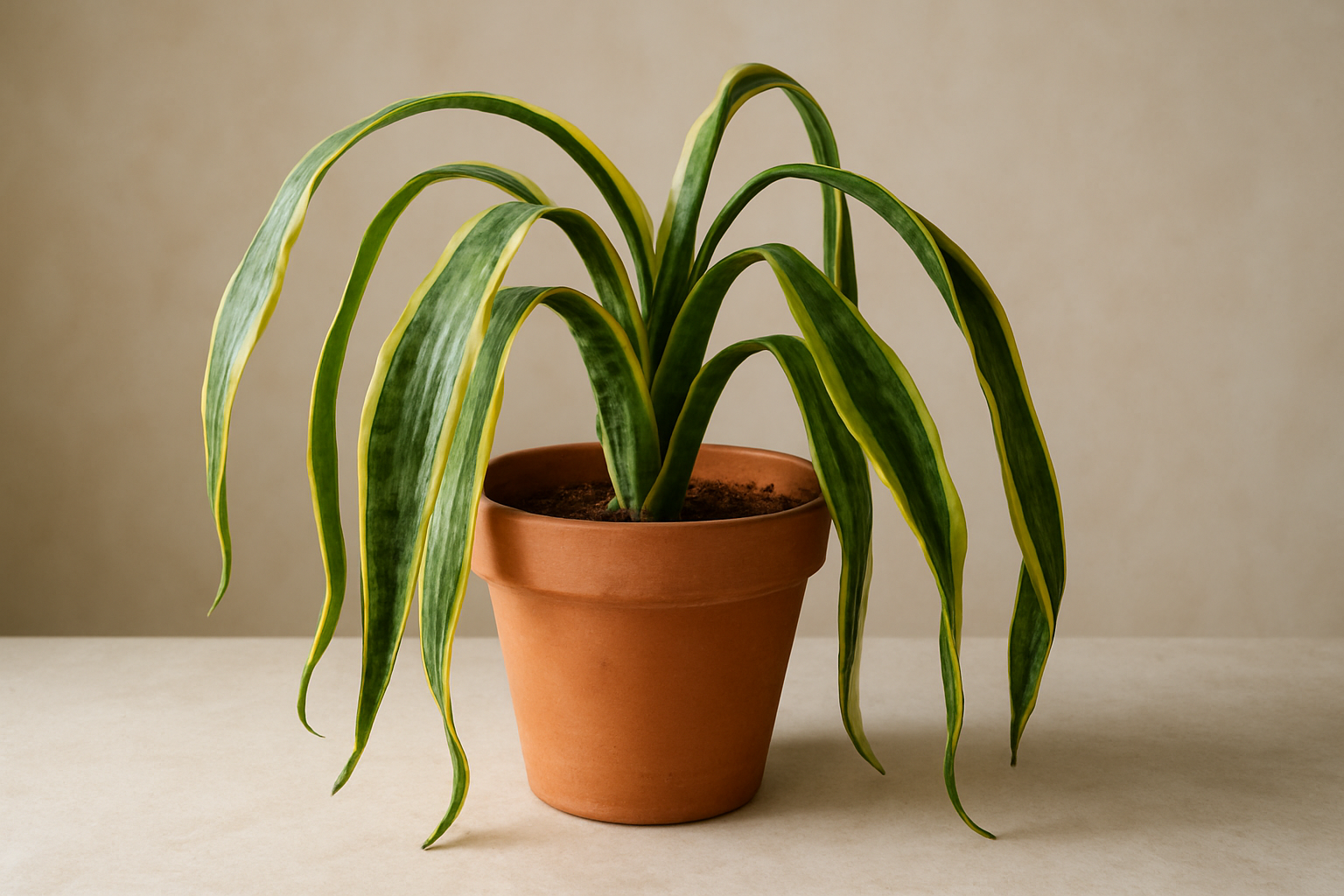
The snake plant (Sansevieria trifasciata), also known as mother-in-law’s tongue, is famous for being nearly indestructible. It thrives on neglect, survives low light, and even forgives a missed watering or two.
But if you’ve noticed your once-upright, sword-like leaves drooping or bending, that’s your plant’s quiet way of saying something’s off.
Why Is My Snake Plant Drooping?
A healthy snake plant stands tall with stiff, green leaves. When it starts to sag, it’s reacting to environmental stress or care mistakes.
The most common culprits are overwatering, poor drainage, low light, cold damage, or root issues.
Let’s go through each cause in detail – along with simple, effective fixes.
1. Overwatering – The #1 Cause of Drooping Snake Plants
Snake plants are succulents, meaning they store water in their thick leaves.
When they get too much moisture, their roots can suffocate and rot – leading to droopy, mushy leaves.
How to identify overwatering:
- The soil feels soggy or heavy.
- Leaves look soft, limp, or yellowish.
- You might notice a musty smell (a sign of root rot).
- The base of the plant feels mushy or darkened.
Over time, excessive moisture breaks down the roots, cutting off their oxygen supply. Once roots begin to rot, the plant loses its ability to stay upright.
How to fix it:
- Stop watering immediately. Let the soil dry out completely.
- Check for root rot:
Gently remove the plant from its pot and inspect the roots. Healthy roots are firm and white; rotten ones are brown or black and mushy. - Trim damaged roots: Use sterilized scissors to cut away any rotted sections.
- Repot in fresh soil: Choose a well-draining cactus or succulent mix.
- Add drainage: Always use a pot with a drainage hole and add a layer of perlite, pumice, or coarse sand for airflow.
Prevention tip: Water only when the top 2–3 inches of soil are completely dry. In winter, watering once every 3–4 weeks is usually enough.
2. Poor Drainage or Wrong Pot
Even if you water sparingly, poor drainage can mimic overwatering. A pot without proper drainage holes traps water at the bottom – slowly suffocating the roots.
Signs your pot may be the problem:
- Water sits at the bottom after watering.
- The soil feels damp for days.
- Leaves droop even though you don’t water often.
How to fix it:
- Use a breathable pot: Terracotta or clay pots allow moisture to evaporate faster than plastic ones.
- Ensure drainage holes are open: If clogged, gently poke through them or repot your plant.
- Add a gritty mix: Combine standard potting soil with sand, perlite, or pumice for better aeration.
Snake plants thrive in conditions that mimic their native African environment – dry, airy, and fast-draining.
3. Not Enough Light
Snake plants tolerate low light, but they don’t thrive in it. If your plant lives in a dim corner for too long, its leaves weaken and droop toward the light source.
How to recognize low-light stress:
- Leaves appear pale or lose their vibrant green color.
- Growth slows dramatically.
- New leaves are thin or floppy.
How to fix it:
- Move your snake plant near a bright, indirect light source – such as a north or east-facing window.
- Avoid harsh, direct sunlight, especially during summer afternoons, which can scorch the leaves.
- If natural light is limited, use a grow light for 6–8 hours a day to keep growth steady.
Tip: Rotate the pot occasionally to encourage even growth and prevent leaning.
4. Root Rot or Compact Soil
Even with perfect watering habits, compacted or old soil can cause drooping.
When the soil loses structure, it compresses around the roots and reduces airflow – leading to stagnation and root decline.
Signs of compact soil or rot:
- The plant seems unstable in the pot.
- Roots are brown, mushy, or have a foul odor.
- Soil feels hard and clumpy even when dry.
How to fix it:
- Remove the plant from its pot.
- Shake off the old soil and trim any dead or mushy roots.
- Repot in fresh succulent mix (1 part potting soil, 1 part sand, 1 part perlite).
- Allow the plant to dry for a day before watering again.
Pro tip: Repot every 2–3 years to refresh nutrients and maintain good soil aeration.
5. Temperature Stress or Cold Drafts
Snake plants are tropical by nature. When exposed to cold air or sudden temperature drops, their leaves can weaken, wrinkle, and droop.
Signs of temperature shock:
- Leaves curl, soften, or appear “wet” near the base.
- Dark, water-soaked spots develop (especially in winter).
- The plant was recently near an open window, AC vent, or cold floor.
How to fix it:
- Move your plant to a warmer area – ideally between 65°F and 85°F (18°C–29°C).
- Avoid placing it near windows during cold nights or in the direct path of heaters and air conditioners.
- Trim any damaged or blackened leaves to prevent rot spread.
Tip: During winter, slightly reduce watering – cold + wet soil is a deadly combination.
6. Physical Damage or Crowding
Sometimes drooping isn’t due to care issues at all – it’s mechanical. Snake plant leaves can bend or collapse if they’re physically damaged or outgrowing their pot.
What to check:
- Has the pot become crowded with new shoots?
- Are leaves pressing tightly together or bending from lack of space?
- Did the plant fall or get bumped recently?
How to fix it:
- Repot every 2–3 years into a container one size larger.
- Handle the leaves carefully – they bruise easily.
- If a leaf is bent but not broken, support it gently with a small stake until it regains strength.
- If a leaf is severely damaged, cut it near the soil line.
You can even propagate healthy leaf cuttings to grow new plants.
7. Overfertilizing
Snake plants grow slowly and don’t need much fertilizer. Too much can lead to salt buildup in the soil, which dehydrates the roots and causes drooping or yellowing.
Signs of fertilizer burn:
- White crust on soil surface.
- Yellowing or browning leaf edges.
- Sluggish growth or leaf collapse.
How to fix it:
- Flush the soil: Run water through the pot several times to wash away excess salts.
- Pause feeding: Avoid fertilizer for at least a month while the plant recovers.
- Use diluted fertilizer: When feeding, use a balanced 10-10-10 or succulent fertilizer at ¼ strength, only during active growing months (spring and summer).
8. Pest Infestation
Although uncommon, pests like mealybugs, spider mites, and thrips can stress your snake plant and cause drooping leaves.
Signs of pest problems:
- Sticky residue on leaves (honeydew).
- Tiny webbing or speckled discoloration.
- Visible bugs on the undersides of leaves or in crevices.
How to fix it:
- Wipe leaves with a soft cloth dipped in diluted neem oil or insecticidal soap.
- Isolate the plant from others until the infestation clears.
- Continue wiping weekly until pests are gone.
Healthy snake plants resist most pests, but dry indoor air can make them vulnerable – especially in winter.
How to Revive a Drooping Snake Plant Step-by-Step
If your snake plant is already floppy, don’t panic. With the right care adjustments, it can recover beautifully.
Here’s your quick recovery plan:
Step 1: Diagnose the Cause
Check soil moisture, light level, and pot condition. Most problems come down to overwatering or poor drainage.
Step 2: Unpot and Inspect
Gently remove the plant and examine the roots. Trim away anything soft, dark, or rotten.
Step 3: Let It Dry
If the soil is soggy, leave the roots out to air-dry for 12–24 hours before replanting.
Step 4: Repot Correctly
Use a well-draining succulent mix in a terracotta pot with drainage holes.
Step 5: Water Sparingly
Water lightly only after the soil feels completely dry. Then wait at least a week before watering again.
Step 6: Provide Gentle Light
Place the plant near bright, indirect sunlight to help it recover energy without stress.
Step 7: Prune and Support
Remove any mushy or severely bent leaves. For mildly drooping leaves, use small bamboo stakes to support them while the roots regain strength.
Within a few weeks, new upright leaves should begin to grow, signaling recovery.
Preventing Droopy Leaves in the Future
Prevention is simple once you understand your snake plant’s natural rhythm.
Follow these golden rules:
- Water wisely: Less is more. Let the soil dry out before watering again.
- Choose the right pot: Always with drainage holes and airy soil.
- Provide moderate light: Bright, indirect sunlight is ideal.
- Avoid temperature extremes: Keep between 65–85°F (18–29°C).
- Repot occasionally: Every 2–3 years to refresh soil and avoid crowding.
- Clean the leaves: Dust occasionally to help photosynthesis and prevent pests.
By mimicking its natural environment – dry, bright, and well-ventilated – you’ll keep your snake plant standing tall year-round.
Common Questions About Drooping Snake Plants
1. Can a droopy snake plant recover?
Yes – in most cases! Once you fix the root cause (especially overwatering or poor light), your plant will begin to perk up within a few weeks.
2. Should I cut drooping leaves?
If the leaves are soft, mushy, or completely collapsed, cut them near the base to prevent rot from spreading. If they’re just bent, try supporting them until they regain strength.
3. How often should I water my snake plant?
In warm months, about every 2–3 weeks. In winter, once every 4 weeks is often enough. Always check soil dryness before watering.
4. Why are my snake plant leaves wrinkled but not drooping?
Wrinkled leaves usually mean underwatering. Give the plant a good drink and allow excess water to drain. The leaves should plump up within days.
5. Can low humidity cause drooping?
Not usually. Snake plants tolerate dry air very well – much better than humid conditions. Drooping is more often linked to water, soil, or light issues.
A drooping snake plant may look alarming, but it’s rarely a lost cause. With its strong, drought-tolerant nature, this hardy houseplant usually recovers once you correct its environment.

You must be logged in to post a comment Login