Plant Care, Soil & Tips
November’s Hidden Garden Work: The Perennials That Need Your Pruners Now
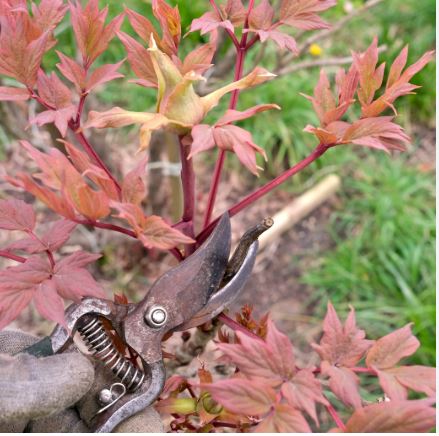
When November arrives and the garden begins to fade into its quiet winter slumber, it’s easy to think your work is done. But for the mindful gardener, this month hides some of the most important — and often overlooked — maintenance tasks of the year. Among them: cutting back the right perennials. Pruning now can mean fewer pests, stronger growth next spring, and a garden that wakes up healthier and more vibrant than ever.
Here’s your guide to the perennials that need your attention before the frost fully settles in:
1. Bee Balm (Monarda)
Bee balm’s bright blooms attract pollinators all summer long, but by late fall, its stems often become a hiding spot for powdery mildew. Cutting the plant down to a few inches above the soil helps prevent disease from spreading and encourages fresh, healthy shoots next spring.
2. Hostas
Once their lush green leaves turn yellow and collapse, it’s time to cut them down. Removing decaying foliage keeps slugs and snails from taking up winter residence in the crown of the plant — giving your hostas a cleaner, stronger comeback next year.
3. Daylilies
After the first hard frost, daylily leaves become soggy and unsightly. Trim them back to a few inches to prevent rot and to tidy up the garden bed. This simple task also helps prevent pests from overwintering in the dead foliage.
4. Peonies
Peony leaves may look harmless in the cold, but they often harbor botrytis blight, a fungus that can damage your plants come spring. Cut peonies to the ground once their leaves have blackened, and be sure to dispose of the debris — don’t compost it.
5. Yarrow (Achillea)
Yarrow’s feathery foliage can stay semi-evergreen in mild winters, but cutting the plant back encourages fuller, fresher growth. If left untrimmed, the woody stems can crowd out new shoots when the weather warms.
6. Catmint (Nepeta)
Though some gardeners leave catmint up for winter interest, trimming it in November prevents it from self-seeding excessively and keeps the plant compact. Cut back to about 4 inches and it will bounce back beautifully in spring.
7. Coreopsis
By fall, coreopsis tends to get leggy and covered in seed heads. Pruning it back now keeps the plant tidy and prevents unwanted spreading. The roots will rest through winter and come back even stronger.
8. Phlox
Cutting down phlox after the first frost helps prevent powdery mildew — a common issue for this otherwise beautiful perennial. Trim to ground level and clear away any remaining debris to protect the plant’s base.
A Few You Shouldn’t Cut Yet
Some perennials, like coneflowers, black-eyed Susans, and ornamental grasses, can be left standing. Their seed heads feed birds, and their shapes add texture to your winter landscape. You can tidy them up in early spring instead.
Final Thought
November pruning isn’t about making your garden look perfect — it’s about preparing it for renewal. By giving the right perennials a thoughtful trim now, you’re setting the stage for a healthier, more resilient garden next season.
So grab your pruners, put on your gloves, and enjoy one last quiet moment among your plants before winter truly arrives. Your spring garden will thank you.

You must be logged in to post a comment Login