Plants
The Hidden Power of Lactuca serriola Root (Prickly Lettuce Root)
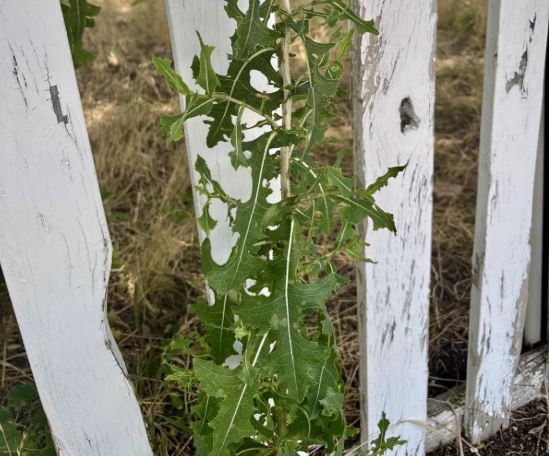
Known by many as wild lettuce or prickly lettuce, Lactuca serriola is more than just a common weed. Beneath its prickly leaves lies a powerful natural remedy that has been valued for centuries. The root of this wild plant holds unique healing properties that can calm the body, ease pain, and promote deep relaxation.
1. Nature’s Gentle Pain Reliever
The root of Lactuca serriola contains natural compounds that act on the nervous system, helping to reduce pain without the harsh effects of synthetic drugs. Traditionally, it was used by herbalists as a natural substitute for opium—mild and non-addictive, yet effective for soothing discomfort.
2. Supports Restful Sleep
If you struggle with restlessness or insomnia, prickly lettuce root can help. Its mild sedative properties help relax the nervous system, making it easier to unwind and fall asleep naturally.
3. Eases Anxiety and Stress
The root extract is known to calm the mind and relieve nervous tension. A cup of tea or tincture made from the root can gently quiet the body’s stress response—perfect for those who want to relax after a long day.
4. Anti-Inflammatory and Detoxifying
Lactuca serriola root also has natural anti-inflammatory properties that may help with joint pain, arthritis, and muscle soreness. Its detoxifying effects support the liver and help the body eliminate toxins more efficiently.
5. Traditional Use in Folk Medicine
In ancient times, the root was valued as a remedy for coughs, headaches, menstrual discomfort, and general fatigue. Healers believed it “cooled” the body and balanced excess heat—an important principle in traditional herbal systems.
How to Use Prickly Lettuce Root Safely
Tincture or tea: Dried root can be steeped or extracted in alcohol. Start with small doses.
Topical use: The extract can be used in balms or ointments to soothe sore muscles.
How to Prepare Prickly Lettuce Root:
1. Harvesting the Root
The best time to harvest the root is in autumn, when the plant has finished flowering.
Choose mature plants with thick, strong roots.
Carefully dig up the roots, wash them well to remove all soil, and cut them into small pieces.
You can use them fresh or dry them for later use (dry in a warm, shaded place with good airflow).
2. Drying (for Storage)
Spread the clean, sliced roots on a tray or mesh.
Let them dry naturally in a ventilated space (not in direct sunlight).
Once completely dry, store in a glass jar or paper bag, away from moisture and light.
Properly dried roots can last up to 1 year.
Ways to Use the Root:
1. Root Tea (Infusion or Decoction)
For relaxation, mild pain, and sleep support
You’ll need:
1 teaspoon of dried, chopped root
1 cup (250 ml) of water
How to prepare:
Place the root in a small pot with water.
Bring to a gentle boil, then simmer for 10–15 minutes.
Let it cool slightly, strain, and drink warm.
You can add a little honey if you like.
Drink 1 cup before bedtime to help calm the nerves and improve sleep.
2. Tincture (Alcohol Extract)
For stronger and longer-lasting effects
You’ll need:
Dried root (chopped)
40–50% alcohol (vodka or brandy)
Glass jar with lid
How to make it:
Fill the jar halfway with dried root.
Pour alcohol over it until the jar is full.
Seal and shake gently.
Store in a cool, dark place for 4–6 weeks, shaking occasionally.
After that, strain and pour the liquid into a dark glass bottle.
Dosage:
Start with 10–20 drops in water or tea, once or twice a day as needed.
(Always begin with small amounts to see how your body reacts.)
3. External Use (for Pain or Muscle Soreness)
You can mix tincture or strong tea with a little coconut or olive oil to create a massage rub for sore muscles or stiff joints.
Safety Tips
Use small doses only — wild lettuce can be strong.
Avoid during pregnancy or breastfeeding.
Do not mix with sedatives, alcohol, or sleeping pills.
Always consult an herbalist or natural health practitioner if you have medical conditions or take medication.

You must be logged in to post a comment Login