Gardening Guide
October Garden To-Do List – Keep Your Garden Happy Before Winter!
What Every Gardener Needs to Do in October
October is a month of change — the air turns cooler, leaves fall, and gardens begin to rest. But for every gardener, this is not a time to stop — it’s a time to prepare. The work you do now will decide how strong, healthy, and beautiful your garden will be next year.
Here’s what every gardener should focus on in October:
1. Clean and Clear the Garden
Start by removing any dead or diseased plants. Clear away weeds and fallen leaves that could harbor pests and fungi over winter. Healthy plant material can go into your compost pile — it will break down into rich soil food for spring.
2. Plant for the Future
October is the perfect time to plant spring-flowering bulbs such as tulips, daffodils, and hyacinths. You can also plant garlic, onions, and shallots for next summer’s harvest. If your soil is still warm, divide and transplant perennials to give them a fresh start.
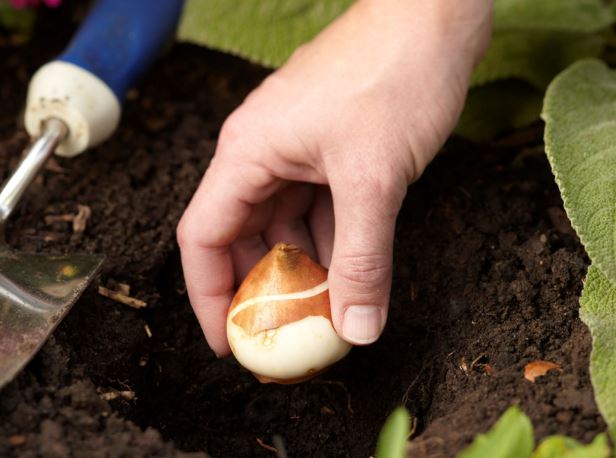
Planting tulips in October is the perfect time — the soil is cool, and the bulbs have enough time to establish roots before winter.
Here’s how to do it right:
Choose the Right Spot
-
Sunlight: Pick a sunny location — tulips love at least 6 hours of direct sun daily.
-
Soil: Well-drained soil is key! Tulip bulbs will rot in soggy soil.
If your soil is heavy clay, mix in sand or compost to improve drainage.
Select Healthy Bulbs
-
Choose firm, plump bulbs with no mold or soft spots.
-
Bigger bulbs produce larger, more beautiful blooms.
Planting Depth and Spacing
-
Depth: Plant bulbs about 15–20 cm (6–8 inches) deep.
-
Spacing: Leave 10–15 cm (4–6 inches) between bulbs.
-
Pointy end up, flat end down!
Water After Planting
-
Give the bulbs a good soak right after planting to help roots start forming.
-
After that, you don’t need to water much — tulips prefer drier soil during winter.
Add Mulch (Optional)
-
Cover with a thin layer of mulch or straw to protect from frost and keep moisture stable.
Wait for Spring Magic
-
Tulips rest through winter and burst into bloom in early spring.
-
You can mix varieties for a longer flowering season — early, mid, and late-blooming types.
3. Protect What You Have
Perennial plants need some care before the cold arrives. Cut back dead stems, but leave seed heads from flowers like coneflowers for birds to enjoy. Add a layer of mulch, straw, or dry leaves around the base of plants to protect their roots from frost.
4. Harvest and Store
Gather the last of your vegetables — carrots, beets, potatoes, pumpkins, and herbs. Cure and store them in a cool, dry place to enjoy all winter long. This is also a good time to dry herbs or freeze them for cooking.
5. Care for Trees and Shrubs
Before the ground freezes, water deeply to help trees and shrubs stay hydrated through winter. Remove any broken branches, and wrap young trees to protect their bark from frost and hungry wildlife.
6. Feed the Soil
October is ideal for improving your garden soil. Spread compost or well-rotted manure over empty beds. You can also plant a cover crop such as clover or winter rye to enrich the soil naturally.
7. Prepare Tools and Equipment
Clean, sharpen, and oil your garden tools so they’re ready for spring. Drain and store hoses, empty watering cans, and clean pots and trays. Taking care of your tools now saves you time and money later.
8. Bring Tender Plants Indoors
Before frost arrives, move tender herbs and houseplants indoors. Check them for insects first and place them near a sunny window. You can also start new herb cuttings in water to grow inside during winter.
A Peaceful Ending for a Busy Season
October gardening is about gratitude — for the harvest, for the colors, and for the time spent in the soil. By doing a little extra work now, you’ll be rewarded with a vibrant, healthy garden when spring returns.
So put on your gloves, breathe in the crisp autumn air, and give your garden the care it deserves before it falls asleep for winter.

You must be logged in to post a comment Login