Plants
8 Things to Do with Your Jasmine Plant in October for a Burst of Flowers in the Coming Months
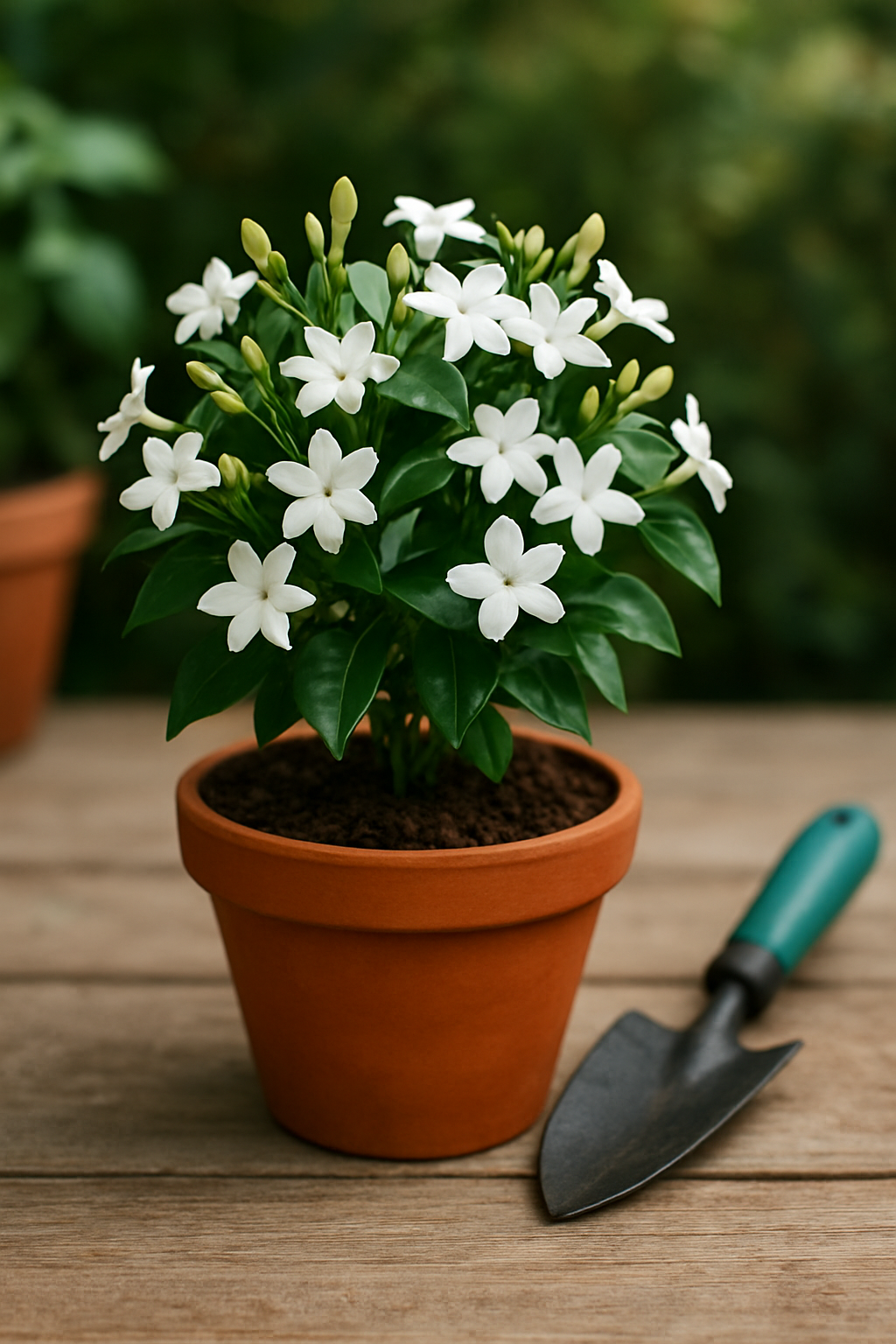
As the crisp autumn air sets in and the days grow shorter, many gardeners assume the flowering season is coming to an end.
But for jasmine lovers, October is one of the most important months of the entire gardening year.
What you do now will directly determine whether your jasmine bursts into fragrant blooms in the coming winter and spring – or struggles with sparse growth and disappointing flowering.
Jasmine (Jasminum spp.) is a beloved plant for its heavenly fragrance, delicate star-shaped flowers, and evergreen or semi-evergreen foliage.
Understanding Jasmine’s Growth Cycle: Why Timing Matters
To care for jasmine effectively in October, it’s essential to understand how its growth and flowering cycle works.
Most jasmine varieties – including common jasmine (Jasminum officinale), Arabian jasmine (Jasminum sambac), and winter jasmine (Jasminum nudiflorum) – follow a similar seasonal rhythm:
- Spring – Early Summer: Rapid vegetative growth and early flowering
- Mid – Late Summer: Continued growth and some flowering (depending on variety)
- Fall (October): Growth slows, plant stores energy and sets buds for next season
- Winter – Early Spring: Flowering period for many varieties
- Late Spring: New growth resumes
This means that what you do in October directly affects the plant’s bud formation and future blooms.
Prune too aggressively, and you risk cutting off developing flower shoots. Neglect soil health, and the plant might lack the nutrients it needs to bloom. Ignore temperature changes, and buds might fail to form altogether.
Now let’s break down the essential October jasmine care steps – starting with the most important one: pruning.
1. Smart Pruning: Shape, Stimulate, and Protect Future Blooms
Why Pruning in October Matters
Pruning is one of the most powerful tools you have to control how your jasmine grows and blooms.
Done correctly in October, pruning:
- Removes old, non-productive stems
- Encourages new growth where flower buds will form
- Improves air circulation and reduces disease risk
- Shapes the plant for balanced, controlled growth
However, timing is everything. Pruning too late in the season or cutting too deeply can remove developing flower buds, leading to a disappointing bloom cycle.
How to Prune Jasmine in October
- Inspect for spent or weak stems: Look for woody, tangled, or overly long stems and trim them back.
- Cut just above a leaf node: This encourages new shoots to sprout from that point.
- Remove dead or diseased growth: Cut it back to healthy tissue to prevent pathogens from spreading.
- Lightly shape the plant: Maintain a balanced form but avoid heavy pruning – aim to remove no more than 20–25% of the plant.
Tip: If your jasmine blooms in winter (like Jasminum nudiflorum), prune immediately after flowering instead. But if it blooms in spring (J. officinale or J. sambac), October pruning is ideal.
2. Refresh the Soil or Repot If Needed
Why Soil Care Is Crucial in Fall
After a long summer of growth, jasmine has likely depleted much of the nutrients in its soil.
October is the perfect time to refresh the root environment so the plant can store energy for flower production.
Signs your plant may need repotting or soil refreshing:
- Roots are circling the pot or emerging from drainage holes
- Water drains too quickly (indicating compacted soil)
- The plant has stopped growing despite proper care
How to Refresh or Repot Jasmine in October
- For potted jasmine: Remove the top 2–3 inches of soil and replace it with fresh, nutrient-rich potting mix enriched with compost or aged manure.
- For mature plants: Repot into a container one size larger with fresh, well-draining soil (a mix of loam, perlite, and organic matter is ideal).
- For in-ground plants: Gently work compost or well-rotted manure into the top layer of soil around the base.
Refreshing the root zone ensures your jasmine has the nutritional reserves it needs to produce abundant flowers in the coming months.
3. Feed for Flower Formation: Fertilizing in October
As jasmine prepares for its blooming phase in autumn, you can skip store-bought fertilizers and make a powerful homemade organic mix that’s rich in phosphorus and potassium – the key nutrients for flower production – while keeping nitrogen low to avoid excess leaf growth.
Ingredients:
- 2 cups of well-rotted compost or vermicompost (base nutrition and microbes)
- 2 tablespoons of bone meal (high in phosphorus to stimulate bud formation)
- 1 tablespoon of wood ash (rich in potassium for stronger blooms)
- 1 tablespoon of banana peel powder (extra potassium and trace minerals)
- 1 teaspoon of Epsom salt (for magnesium to support chlorophyll and flower development)
How to Use: Mix all the dry ingredients thoroughly and sprinkle a thin layer around the root zone of your jasmine plant (about 2–3 inches away from the stem).
Gently work it into the topsoil, then water thoroughly to help nutrients soak into the root area.
Tip: Apply this homemade fertilizer once in early October and again in mid-November.
It will slowly release nutrients, boost flower bud development, and improve soil health naturally without any chemical additives.
4. Adjust Light, Temperature, and Humidity
Light Requirements in Autumn
Jasmine thrives in bright, indirect light. As days shorten, ensure your plant still gets at least 6 hours of sunlight daily. If you’re growing it indoors, consider moving it closer to a south- or west-facing window.
For outdoor plants, prune nearby shrubs or trees that may shade them too heavily.
Temperature Adjustments
Most jasmine varieties prefer cooler nights (50–60°F / 10–15°C) in fall. This temperature drop actually triggers bud formation.
However, protect them from frost – bring potted jasmine indoors if temperatures drop below 40°F (4°C).
Humidity Control
Indoor heating can dry out the air. Jasmine prefers 40–60% humidity, so mist the leaves regularly or place a humidity tray beneath the pot.
5. Watering Wisely: Avoiding Common Mistakes
Why Overwatering Is Dangerous in Fall
In cooler weather, jasmine’s water needs decrease. Overwatering in October is one of the most common causes of root rot and fungal issues, which can damage flower buds before they even form.
How to Water Correctly
- Check soil moisture: Water only when the top 2 inches of soil feel dry.
- Use room-temperature water: Cold water can shock the roots.
- Reduce frequency: Water less often than you did in summer, but ensure deep watering when you do.
For outdoor plants, mulch with compost or bark chips to help retain moisture without waterlogging the roots.
6. Prepare for Winter: Overwintering Jasmine for Maximum Blooms
If you live in a cold climate, overwintering your jasmine properly can make the difference between a thriving, flower-filled plant and one that barely survives.
Overwintering Outdoor Jasmine
- Mulch deeply: Apply 3–4 inches of organic mulch around the base to insulate roots.
- Wrap climbing jasmine: If grown on a trellis, wrap the plant with burlap to protect from frost.
- Water sparingly: Reduce watering significantly once the plant goes dormant.
Overwintering Indoor Jasmine
- Place near a bright, cool window (ideally 50–60°F / 10–15°C).
- Avoid placing it near radiators or heating vents.
- Mist the leaves or use a humidifier if indoor air is too dry.
Proper overwintering not only ensures survival – it stimulates more prolific blooming when temperatures rise again.
7. Keep Pests and Diseases Under Control
Even in cooler weather, pests like spider mites, aphids, and whiteflies can target jasmine plants.
Fungal diseases such as powdery mildew and root rot are also more common in damp autumn conditions.
How to Protect Your Jasmine
- Inspect regularly: Check leaf undersides and stems weekly.
- Use natural pest sprays: Neem oil or insecticidal soap can control most infestations.
- Improve airflow: Avoid overcrowding and prune congested growth to reduce fungal risks.
- Water correctly: Water early in the day and avoid splashing foliage.
8. Bonus Tips: Advanced Tricks to Boost Blooming
If you want to go beyond basic care and really supercharge your jasmine’s flowering, try these expert-approved techniques:
a) “Temperature Shock” Method
Expose the plant to slightly cooler nights (around 50°F / 10°C) for 2–3 weeks. This mimics natural conditions and can trigger earlier and heavier bud formation.
b) Strategic Stress
Allow the soil to dry slightly between waterings before the bloom season begins. Mild stress signals the plant to focus energy on reproduction – i.e., flowering.
c) Organic Bloom Boosters
Water occasionally with a compost tea or diluted seaweed extract in October and November. These provide trace minerals that enhance flower development.
d) Rotate the Plant
Indoor jasmine plants sometimes grow unevenly toward the light. Rotate the pot every 7–10 days to encourage balanced growth and more uniform blooming.
Common Mistakes to Avoid in October
Even experienced gardeners make these errors – all of which can sabotage future blooms:
- Pruning too heavily: Removes developing buds.
- Fertilizing with too much nitrogen: Promotes foliage, not flowers.
- Keeping plants too warm: Prevents bud formation.
- Overwatering: Causes root rot and fungal diseases.
- Neglecting pest checks: Pests can weaken plants before winter.
Caring for jasmine in October isn’t just about maintenance – it’s about setting the stage for a spectacular blooming season ahead.

You must be logged in to post a comment Login