Gardening Guide
11 Most Healthy Herbs That Grow from Cuttings
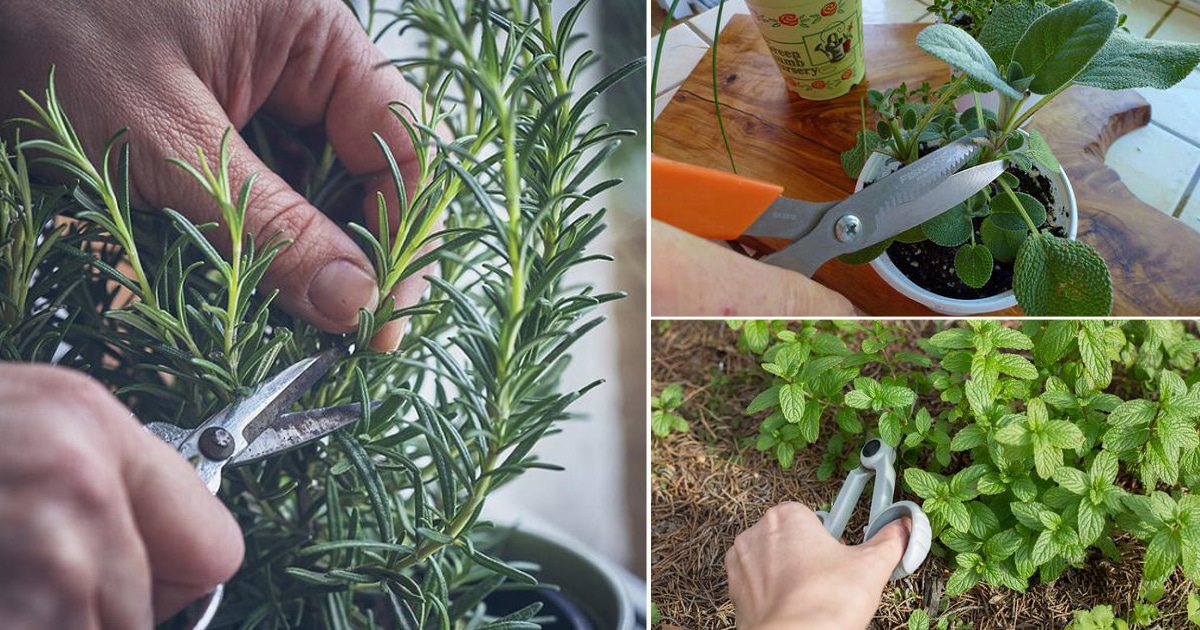
You can grow your own herbs at home and save money by not having to go out every time you need fresh herbs for a recipe. There are several reasons why people use them, including their health benefits and the number of culinary uses they have.
While it is possible to purchase seeds or cuttings from stores such as Walmart, these plants usually cost more than what an individual would pay if he/she were growing his/her own herb garden indoors or outdoors using one of two methods: either starting with seedlings (which take less space) or taking clippings (usually found in supermarket produce sections). Growing herbs from seed can be a time-consuming and challenging task; however, this process doesn’t work for all types of plants.
Fortunately, there are plenty of herb varieties that grow beautifully by cutting branches or taking cuttings which make the whole growing operation much easier! There is no better way to enjoy fresh flavor than with homegrown produce so check out our list below before you decide on your next gardening project!
Oregano
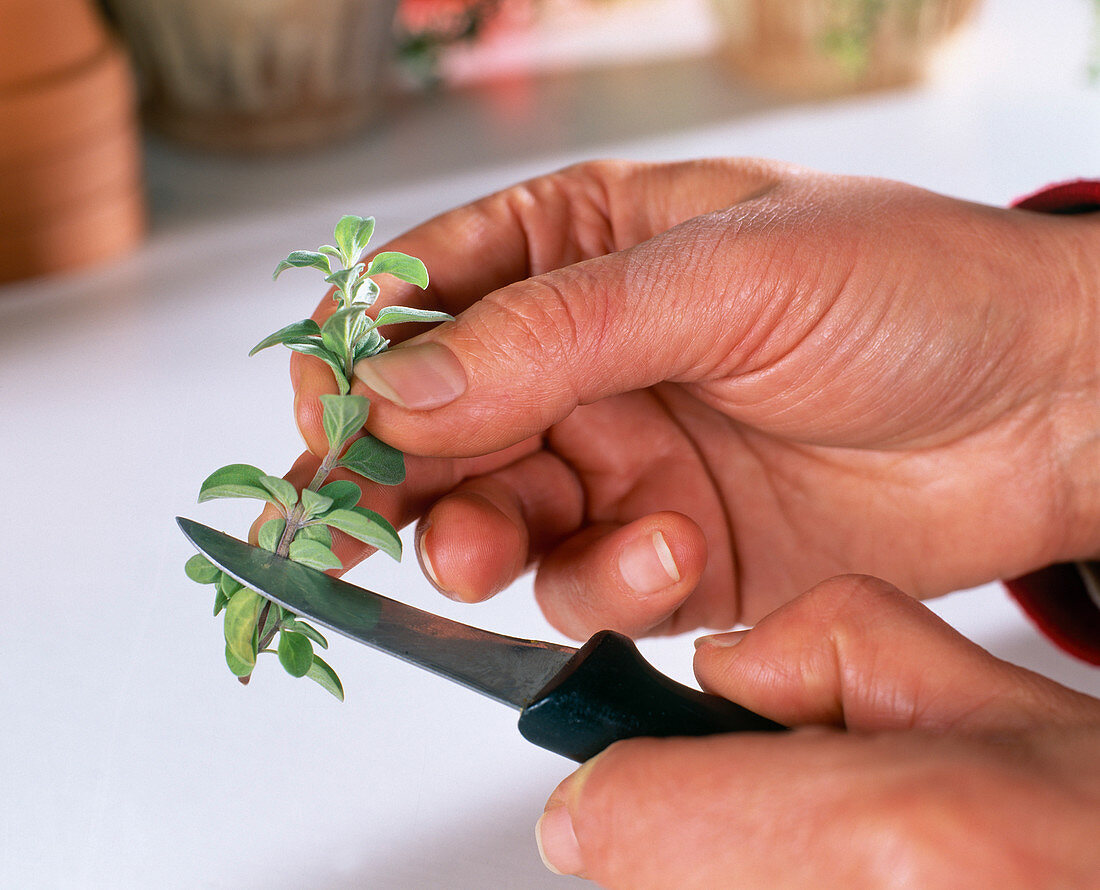
Oregano Stecklingsvermehrung
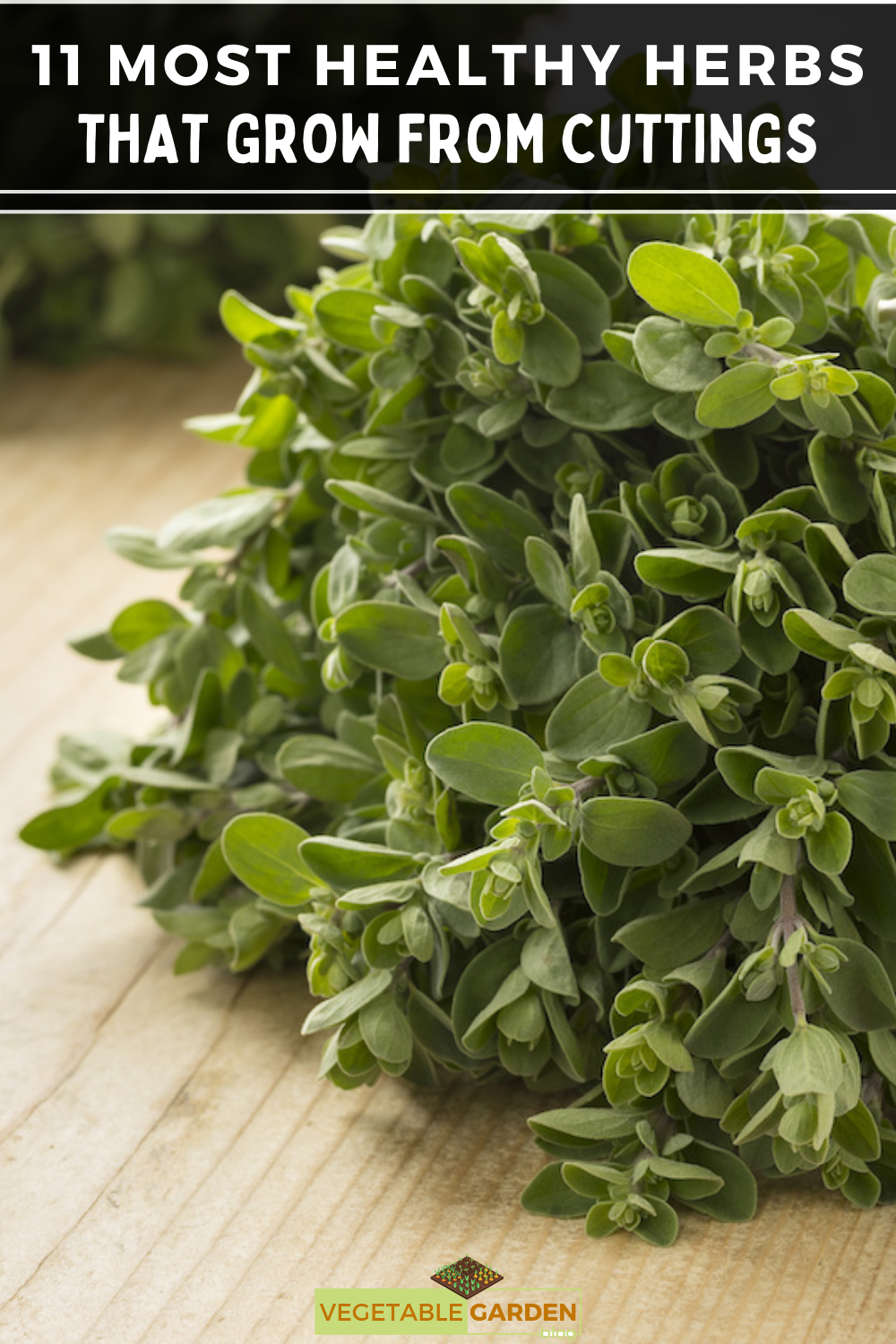
Oregano is one of the most powerful and aromatic plants in the world, capable of providing a special flavor to food. This plant loves warmth and usually grows best in warm climates where it can get enough sunlight. To grow oregano at home all you need are some leaves from its stem with roots cut off – just make sure they’re fresh!
Bee Balm
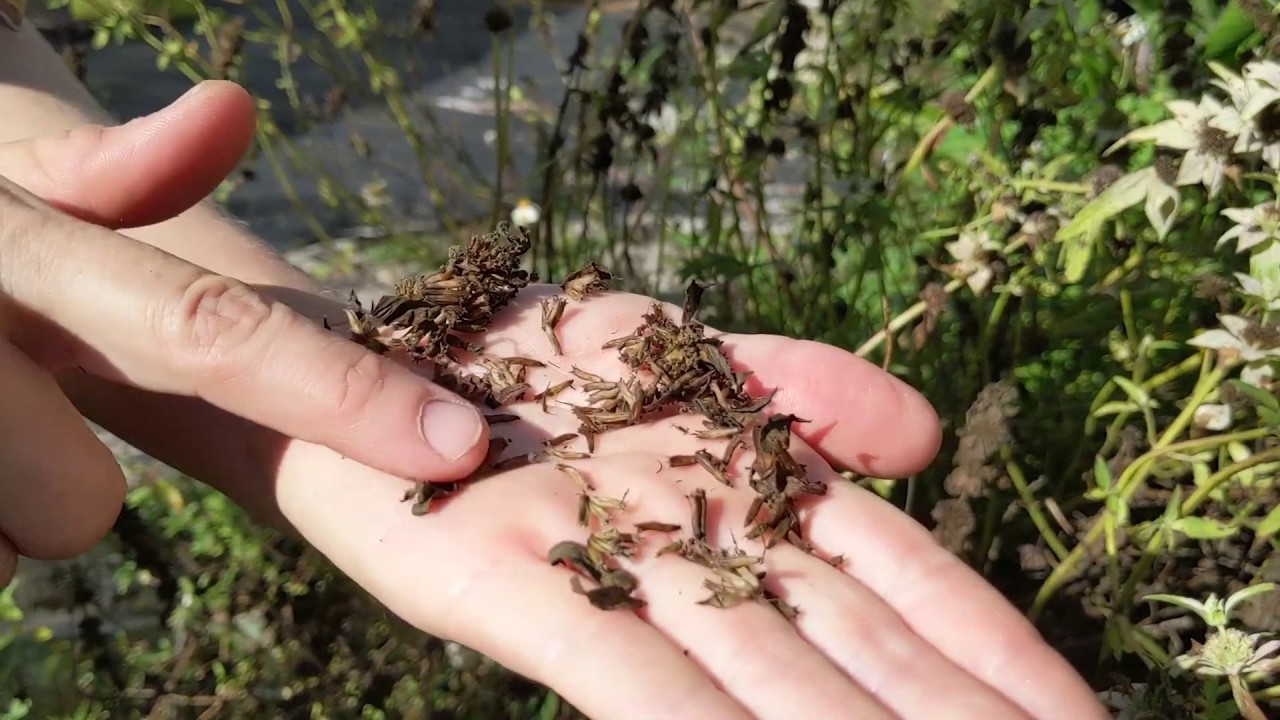
Did you know that bee balm is one of the most wonderful plants in existence? This herb carries bright flowers and has a refreshing minty fragrance. It’s popular for use in kitchens, medicine, or even as cuttings to grow at home! To do so with success though don’t forget these helpful tips:
- Cut 6 inches from any Bee Balm that is not bearing flowers
- Remove the bottom leaves
- Immerse the cutting in rooting hormone.
- Plant the cutting two inches deep.
Marjoram
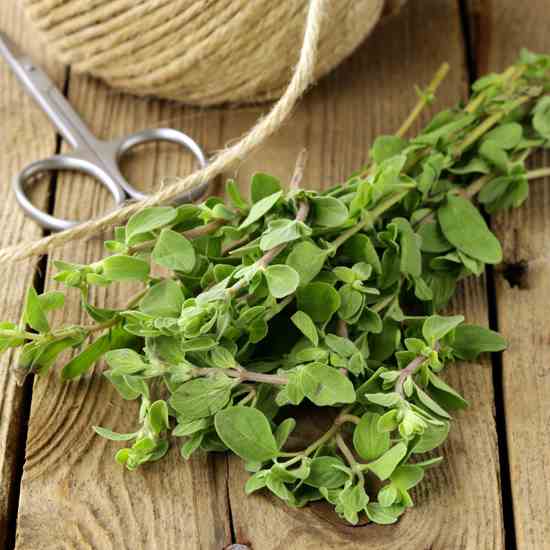
Marjoram is a very popular herb in southern Europe and North Africa. It can be used to add unique flavor as well as health benefits, but growing it from cuttings instead of seeds will save you time with the process! To grow Marjoram yourself, first find an appropriate spot for your plants by looking out for sheltered areas that receive full sunlight all day long (at least six hours).
Next, take at least 6 inches of stem cutting with 4-6 leaves on top–the bigger leaf surface area means more nutrients are available to plant growth. Carefully remove any leaves below those chosen ones so they have plenty of light while still being protected and moistened when the weather gets warmer outside over spring or summer; then bury.
Thyme
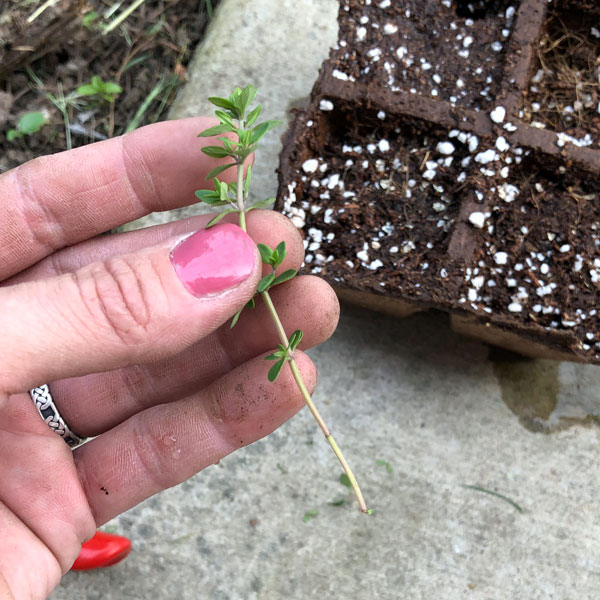
You can tell how old a person’s Thyme is by the color of its leaves. The darker green it gets, the more mature and potent their herb will be. When you’re going to cut a cutting for your cooking or medicinal needs, make sure not to just chop off one point in the middle (that would kill all of them). You want as many points on there so that they can grow strong!
Rosemary
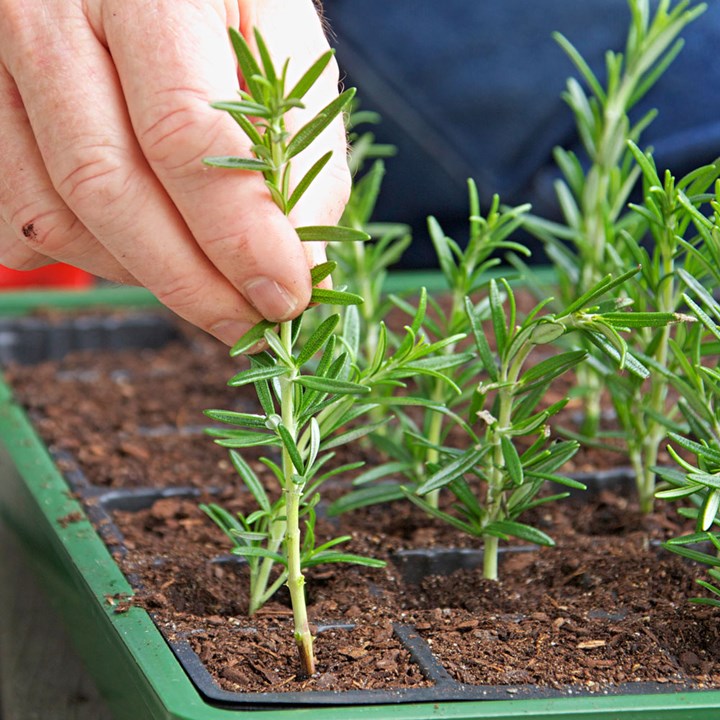
A unique and rare plant that will make your home or office more beautiful. Not only is it healthy but also ornamental, giving you the perfect opportunity to grow something from seeds with very little effort.
The process starts by growing 3-6 inches nonflowering plants for a few weeks in order to get them ready for growth when they start flowering again after 4 touches of light per day at between 12 hours (day) and 18 hours (night). A pinch-off of all leaves leaving just the top four is necessary before placing this hardy plant anywhere near a desk’s natural light so it can flourish without any worry as time passes!
Parsley
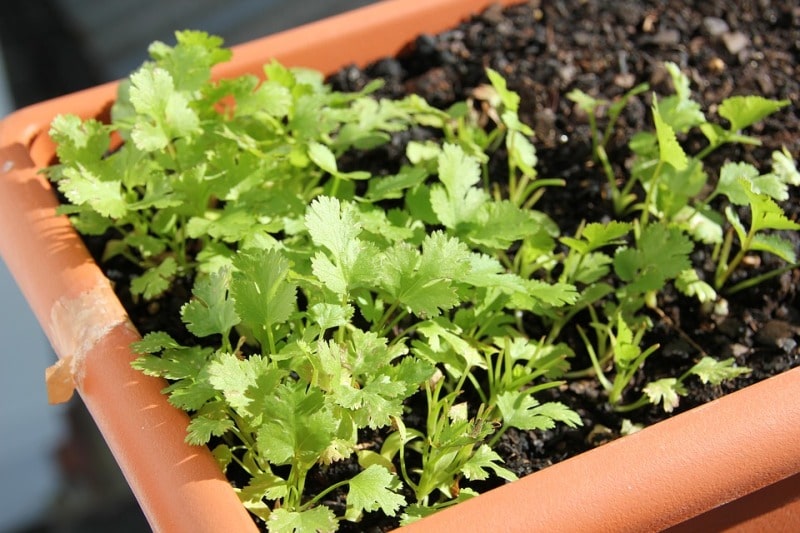
Parsley is a herb unlike any other. Cut off an impressive 5 inch stem from the plant, with some leaves still intact on top of it and place this in good quality soil next to your windowsill for 6 hours worth of sunlight daily. Water it regularly but not too much so that there’s enough moisture- just follow these simple steps and you’ll be sure to succeed!
Lavender
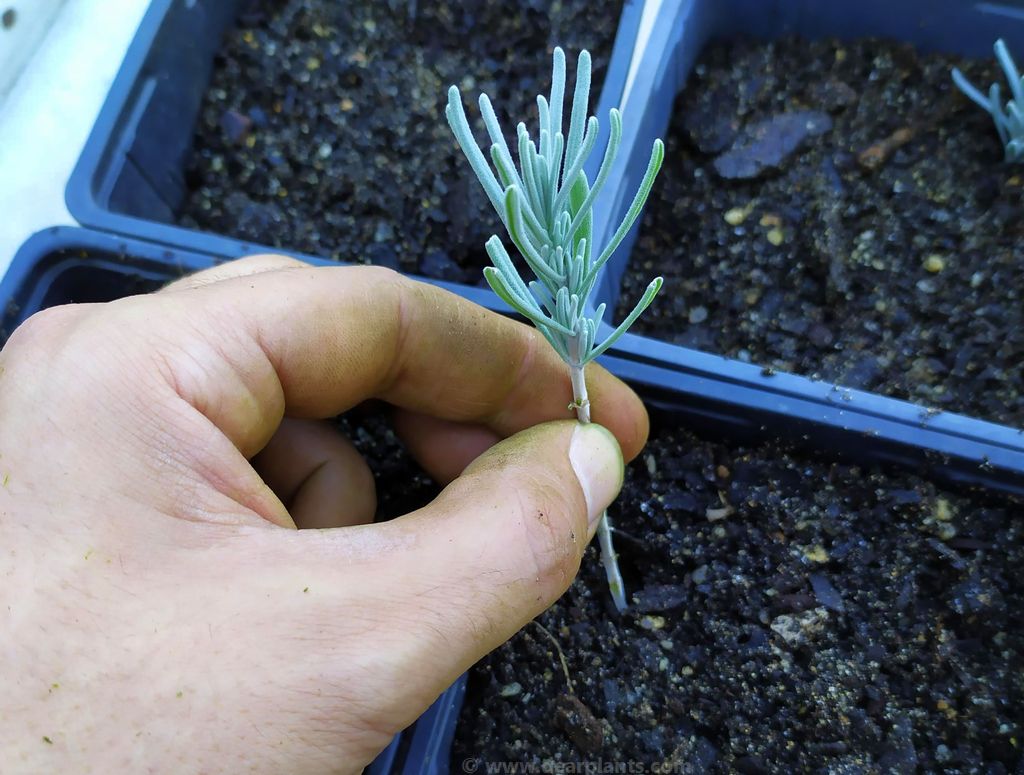
Lavender is one of the most versatile and beloved herbs. It can tolerate drought, poor growing conditions like neglectful gardeners (or busy people), as well as a bit of over watering! You should plant it in small pots to make sure that its roots don’t grow too large or deep into the soil; because lavender has a shallow rooting system, you won’t need much space for it if planted correctly.
When pruning your plants–you’ll know when they’re getting old by their grayish leaves-soap them with some root hormone before putting them back in potting soil so that new growth will be encouraged from those cuts!
Sweet Woodruff
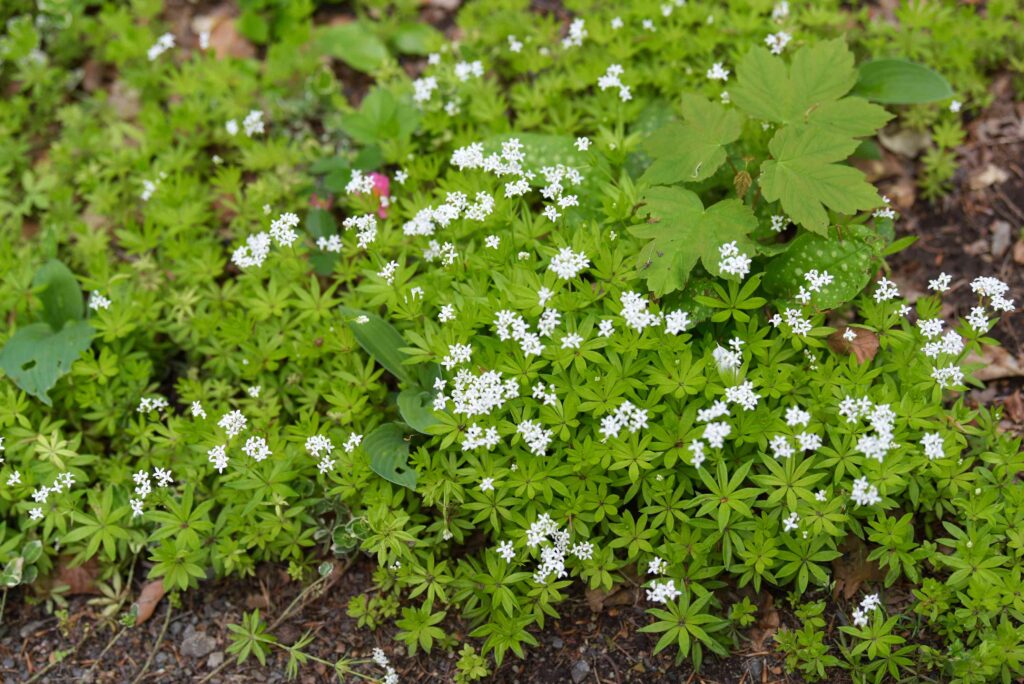
Sweet Woodruff is the perfect herb for those who want to make May wine, cover their ground and add it as an addition to food. Sweet woodruff has beautiful white flowers that grow in light and shade making this one of the best herbs you can have if your garden grows on a shady part of land or somewhere close by where there are few hours each day with direct sunrays.
Sage
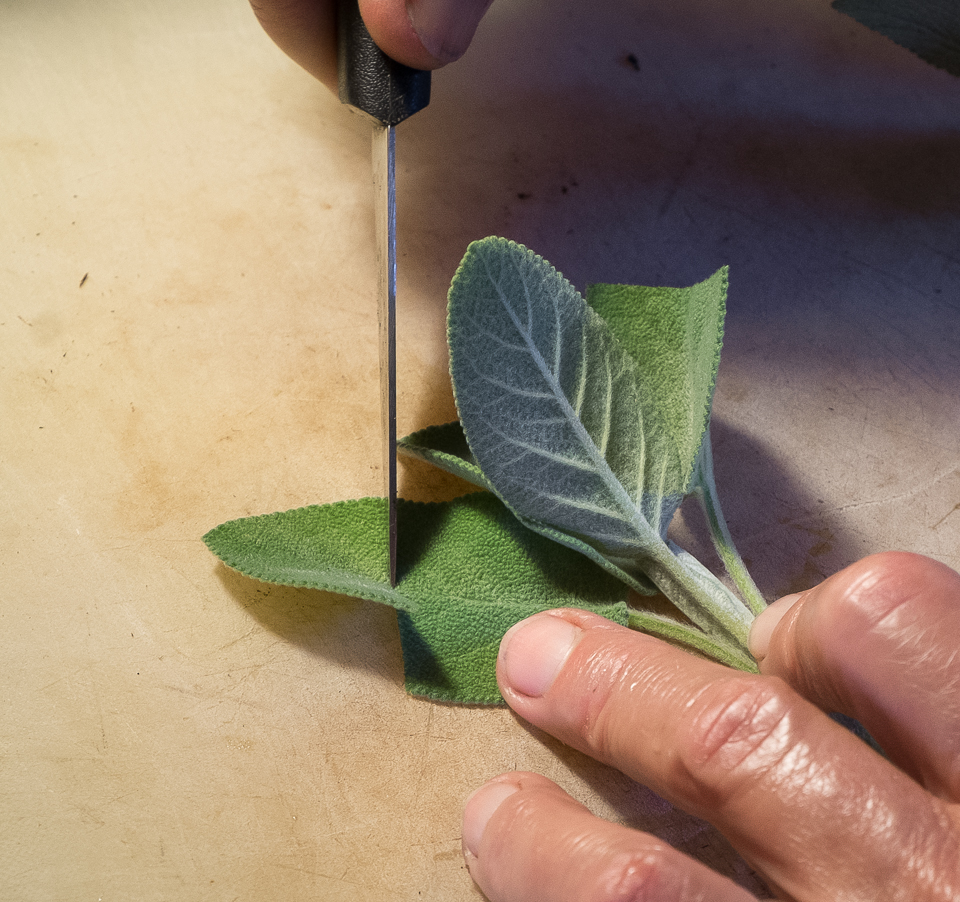
Sage is a popular ingredient in most essential oils because of its health benefits and refreshing fragrance. Growing sage from cuttings can be done with a few simple steps: take 2 to 3 inches worth, plant it where there is plenty of sunlight and water regularly.
Mint
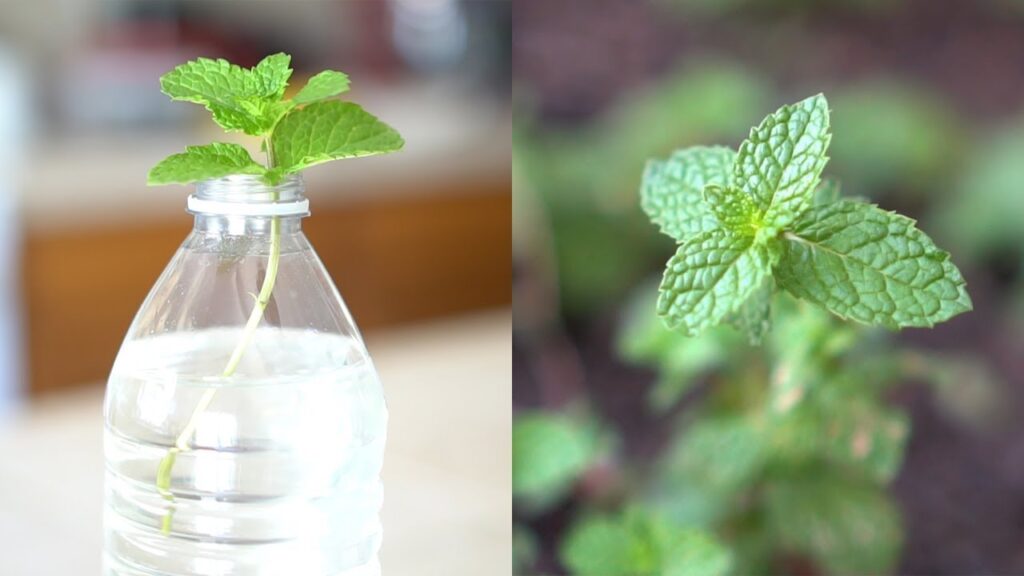
Mint is one of the most common herbs in the world, and it has been used for centuries. It can be found in a variety of drinks and recipes – some people even use it as an antioxidant treatment! If you would like to plant mint yourself, cut off or rip out several sprigs from your own plants (or purchase them at your local grocery store).
Once home, place these pieces into either water or soil- both methods have high success rates.
Basil

Basil is the quintessential herb for any garden. Aside from being one of those herbs that you can’t do without, it also provides a variety in taste and texture to your cooking as well as not forgetting its numerous health benefits.
It’s important to have this plant because once basil has grown, there are many ways you could use it: fresh or dried leaves for salad dressing; cooked with other vegetables such as tomatoes and squash; added into soups like chicken noodle soup among others!
Final Words
If you’re looking for some fresh herbs to add flavor and variety to your dishes, we’ve compiled a list of the best plants that grow from cuttings. For guaranteed success with these types of products, make sure you choose softwood cuttings (from the green stem) rather than hardwood cuttings (brown stems).
We welcome any questions in our comment section below!

You must be logged in to post a comment Login