Plants
Unearthing the Treasure: Why Dandelion Roots are the Most Important Part of the Plant
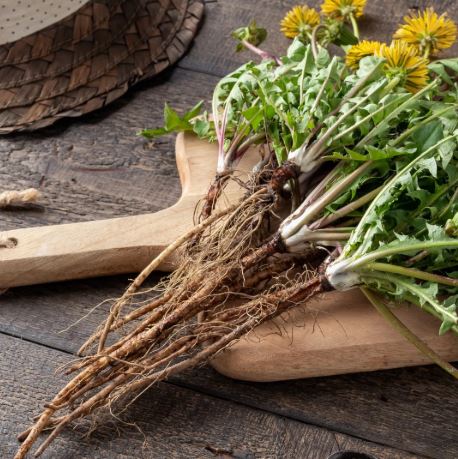
In the world of herbal medicine, some of the most powerful remedies are often overlooked – growing quietly in your backyard, sidewalk cracks, or open fields.
One such underappreciated treasure is the dandelion, a plant most people consider a weed. While dandelion leaves and flowers get plenty of attention for their nutritional and culinary uses, it’s the root that holds the greatest power.
Dandelion roots have been revered for centuries in traditional medicine systems around the globe – from Traditional Chinese Medicine (TCM) to Native American healing practices.
They are deeply cleansing, nutrient-rich, and incredibly versatile. In this article, we’ll unearth the science, tradition, and practical ways to use dandelion roots, showing you why they are the heart and soul of this common plant.
What Are Dandelion Roots?
The dandelion (Taraxacum officinale) is a hardy perennial plant with jagged leaves, bright yellow flowers, and deep taproots. While every part of the plant is edible and medicinal, the root is particularly potent.
Dandelion roots are thick, woody, and often reach deep into the earth. This depth allows them to draw up a rich profile of minerals and nutrients that aren’t readily available in the topsoil – making them especially valuable for detoxification and nourishment.
Nutritional & Medicinal Profile of Dandelion Roots
Dandelion roots contain a host of bioactive compounds and beneficial nutrients that support multiple body systems.
Key Components Include:
- Inulin: A prebiotic fiber that feeds beneficial gut bacteria
- Sesquiterpene lactones: Anti-inflammatory and liver-supporting compounds
- Taraxasterol: A bitter compound with anti-inflammatory and antioxidant properties
- Triterpenes and sterols: Helpful for hormone regulation and metabolic health
- Potassium, magnesium, calcium: Essential minerals drawn from deep soil layers
These compounds work together to support liver function, digestion, detoxification, hormone balance, and even blood sugar regulation.
Health Benefits of Dandelion Root
1. Liver Detoxification and Support
Dandelion root has long been used as a natural liver tonic. It promotes bile flow, helps flush toxins, and supports overall liver function.
In TCM and European herbalism, it’s used to treat liver stagnation, gallbladder issues, and even mild jaundice.
- Supports bile production
- Assists in fat digestion
- May help protect liver cells from oxidative stress
Studies suggest dandelion root extract increases the activity of detoxifying enzymes and may protect liver tissue from chemical damage.
2. Improved Digestion
The bitter compounds in dandelion root stimulate appetite, gastric secretions, and intestinal motility. It acts as a gentle digestive bitter, often taken before meals to support digestion and reduce bloating.
- Encourages hydrochloric acid production
- Enhances nutrient absorption
- Relieves occasional constipation
3. Prebiotic Power for Gut Health
Dandelion root is rich in inulin, a soluble fiber that serves as food for beneficial gut bacteria. This promotes:
- Better digestion
- Improved immune function
- Balanced microbiome
Inulin also supports regularity and may help manage blood sugar spikes after meals.
4. Natural Diuretic
Unlike pharmaceutical diuretics that can deplete potassium, dandelion root gently promotes urine flow without harming electrolyte balance. It supports kidney function and may help reduce fluid retention.
- Encourages detox through the kidneys
- Supports urinary tract health
- Reduces mild puffiness or bloating
5. Blood Sugar and Cholesterol Balance
Some studies show dandelion root extract may help regulate blood sugar and insulin sensitivity. It can also support cholesterol metabolism thanks to its antioxidant and fiber content.
- May reduce LDL (“bad”) cholesterol
- Helps stabilize blood glucose
- Supports metabolic health in diabetics and pre-diabetics
6. Anti-Cancer Properties
Emerging research suggests dandelion root extract has promising anti-cancer potential, particularly against leukemia and melanoma cells.
Its compounds appear to induce apoptosis (programmed cell death) in cancerous cells without harming healthy cells.
While more research is needed, this is a growing area of scientific interest.
Traditional Uses of Dandelion Root Around the World
Across cultures, dandelion root has played a central role in herbal healing:
- Traditional Chinese Medicine (TCM): Used to clear heat, support liver health, and relieve inflammation
- Ayurveda: Known as a cooling herb to cleanse the liver and blood
- Native American Medicine: Used for digestive issues and kidney problems
- European Herbalism: Used as a spring tonic to cleanse the body and stimulate digestion
How to Harvest Dandelion Roots
You can buy dried dandelion root at herbal stores, but if you’re harvesting your own, here’s how to do it safely and sustainably:
When to Harvest:
- Best in fall or early spring when inulin content is highest
- Choose plants away from roads or pesticide-treated areas
Tools Needed:
- A garden fork or hori hori knife
- Gloves
- Bucket or basket
- Cold water for rinsing
How to Harvest:
- Loosen the soil around the base of the plant.
- Gently pull up the entire root.
- Shake off excess dirt and rinse well.
Cleaning and Preparing Fresh Dandelion Roots
- Scrub thoroughly under running water.
- Trim off any thin lateral roots or damaged sections.
- Use fresh, or slice and dehydrate for long-term storage.
Dehydrated roots can be ground into powder, made into tea, or used in tinctures and capsules.
7 Ways to Use Dandelion Root
Once harvested or purchased, dandelion roots can be used in a variety of forms to support health and wellness.
1. Dandelion Root Tea (Decoction)
This is one of the most popular ways to enjoy the benefits.
How to Make:
- 1–2 teaspoons of dried, chopped root
- 1.5 cups water
- Simmer for 15–20 minutes, then strain
Drink 1–2 cups daily for digestive or liver support. The taste is earthy and slightly bitter – ideal before meals.
2. Roasted Dandelion Root Coffee
Roasting gives dandelion root a rich, nutty flavor that mimics coffee without caffeine.
How to Make:
- Roast dried root pieces at 350°F for 15–20 minutes until dark brown
- Brew like regular coffee or French press
- Add milk or honey if desired
Many people use this as a caffeine-free liver detox drink.
3. Dandelion Root Tincture
A tincture is a concentrated liquid extract made with alcohol or glycerin.
To Make:
- Fill a jar with chopped fresh or dried root
- Cover with 80–100 proof alcohol
- Let steep for 4–6 weeks, shaking daily
- Strain and store in dark bottles
Take 20–30 drops 2–3 times daily in water.
4. Dandelion Root Capsules or Powder
Ground root can be added to capsules for convenience or stirred into smoothies and warm drinks.
- Great for travel or daily supplementation
- Choose organic, high-quality powder
- Start with 500–1000 mg per day
5. Dandelion Root in Tonics and Elixirs
Combine dandelion with warming herbs like cinnamon, turmeric, or ginger to make wellness tonics.
- Supports digestion
- Boosts circulation
- Adds depth to herbal blends
6. Fermented Dandelion Root Tonic (Digestive Bitters)
Combine dandelion root with other bitter herbs (gentian, orange peel, fennel) in a vinegar or alcohol base to make a custom bitters blend for digestion.
Take a few drops before meals.
7. Topical Use in Salves and Poultices
Dandelion root can be infused into oil and used in balms for:
- Skin detox
- Minor rashes
- Joint inflammation
Though more common with dandelion leaf, the root has skin-supportive properties too.
Is Dandelion Root Safe for Everyone?
Dandelion root is generally safe for most people when used moderately. However, consult a healthcare provider before using if you:
- Are on diuretics, lithium, or blood pressure medication
- Have gallstones or bile duct blockage
- Are pregnant or breastfeeding
Always start with small doses and observe how your body responds.
Sustainability and Ethical Wildcrafting
Dandelions are abundant, but responsible harvesting is key:
- Never overharvest from a single patch.
- Leave roots behind to regrow when possible.
- Avoid areas with chemicals or animal waste.
- Consider growing your own organic dandelion plants for ongoing use.
From liver detox to digestive balance and beyond, dandelion root is one of the most underestimated herbal allies in nature.
It works quietly underground, drawing up nutrients, supporting soil health, and waiting for someone to realize its potential.
By incorporating dandelion root into your daily routine, you’re not just embracing a traditional remedy – you’re reviving a relationship with a plant that has served humanity for centuries.

You must be logged in to post a comment Login