Fruits
This Banana Peel Water Can Boost Plant Growth Quickly
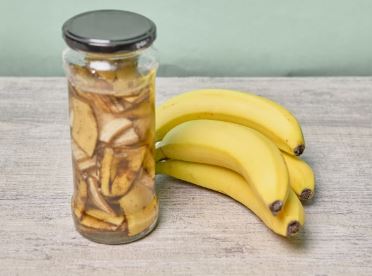
It’s simple to make, environmentally friendly, and a great way to use up kitchen scraps that might otherwise be thrown away.
When it comes to natural fertilizers, banana peel water is a simple, affordable, and highly effective solution that can significantly enhance plant growth.
Packed with essential nutrients, banana peels can be transformed into a liquid fertilizer that promotes healthy roots, vibrant foliage, and abundant blooms.
If you’re looking for an eco-friendly way to nourish your plants, here’s everything you need to know about making and using banana peel water.
Why Banana Peel Water Works
Banana peels are nutrient-dense and contain several key elements that plants need for optimal growth. When soaked in water, these nutrients are released, creating a liquid fertilizer that is easy for plants to absorb.
Key Nutrients in Banana Peel Water:
- Potassium (K): Essential for flower and fruit development, potassium helps plants regulate water and nutrient uptake.
- Phosphorus (P): Supports strong root systems and flowering.
- Calcium (Ca): Strengthens cell walls, promoting sturdy stems and healthy leaves.
- Magnesium (Mg): Aids in photosynthesis by supporting chlorophyll production.
- Trace Minerals: Includes small amounts of manganese and sulfur, which contribute to overall plant health.
Benefits of Banana Peel Water for Plants
1. Boosts Plant Growth
The potassium and phosphorus in banana peel water are particularly effective for boosting plant growth. These nutrients encourage stronger roots, more blooms, and faster development.
2. Enhances Soil Health
Banana peel water improves soil quality by introducing organic matter and feeding beneficial microorganisms, which help break down nutrients for plants.
3. Eco-Friendly and Cost-Effective
Using banana peels reduces kitchen waste and eliminates the need for chemical fertilizers, making it an environmentally friendly and budget-friendly gardening solution.
4. Encourages Flowering and Fruiting
Potassium-rich banana peel water is particularly beneficial for flowering and fruiting plants like tomatoes, peppers, and roses, helping them produce more vibrant flowers and larger fruits.
How to Make Banana Peel Water
Creating banana peel water is incredibly simple and requires minimal effort. Here’s a step-by-step guide:
Ingredients:
- 2-3 banana peels
- 1 liter (4 cups) of water
- A jar or container with a lid
Instructions:
- Cut the Peels: Chop the banana peels into small pieces to maximize nutrient extraction.
- Soak the Peels: Place the chopped banana peels into a jar or container and fill it with water.
- Let it Sit: Allow the mixture to sit for 24-48 hours at room temperature. This gives the nutrients time to leach into the water.
- Strain: Remove the banana peels from the water and discard them in your compost bin.
- Use Immediately: Banana peel water is best used fresh, as it can start to ferment if stored for too long.
How to Use Banana Peel Water
Banana peel water is versatile and can be used in several ways to benefit your plants.
1. As a Soil Drench
- Pour the banana peel water directly onto the soil around your plants. This method delivers nutrients straight to the roots, where they are needed most.
2. As a Foliar Spray
- Transfer the banana peel water to a spray bottle and mist it onto the leaves. This allows plants to absorb nutrients through their foliage. Avoid spraying during the hottest part of the day to prevent leaf burn.
3. For Seedlings
- Dilute the banana peel water by mixing it with an equal amount of fresh water to avoid overwhelming young plants with too many nutrients.
Best Plants for Banana Peel Water
While banana peel water can benefit most plants, some thrive particularly well with this nutrient boost.
Ideal Plants:
- Tomatoes: Promotes healthy fruit development.
- Peppers: Enhances flowering and fruiting.
- Roses: Encourages vibrant, long-lasting blooms.
- Houseplants: Supports lush, green foliage.
- Herbs: Improves overall growth and flavor.
Tips for Maximizing Results
- Use Fresh Peels: Always use fresh banana peels to ensure maximum nutrient content.
- Avoid Overwatering: While banana peel water is beneficial, overwatering your plants can lead to root rot. Use it in moderation.
- Combine with Compost: Add the used banana peels to your compost bin to further enrich your soil.
- Apply Regularly: Use banana peel water every 1-2 weeks during the growing season for optimal results.
Common Mistakes to Avoid
1. Using Moldy Banana Peels
Moldy banana peels can introduce harmful pathogens to your plants. Always use fresh or properly stored peels.
2. Over-Fermenting
If banana peel water is left to soak for too long, it can ferment and develop a foul odor. Stick to the recommended soaking time of 24-48 hours.
3. Ignoring Dilution for Seedlings
Undiluted banana peel water can be too strong for delicate seedlings. Always dilute it to avoid nutrient burn.
Frequently Asked Questions
Q: Can I store banana peel water?
A: It’s best to use banana peel water immediately, but if necessary, you can store it in the refrigerator for up to 3 days.
Q: Are there any plants that shouldn’t get banana peel water?
A: Banana peel water is safe for most plants, but avoid using it on plants that prefer low-nutrient soils, such as cacti and succulents.
Q: Can I use other fruit peels in the same way?
A: Yes, fruit peels like orange or apple can also be used to make natural fertilizers, but banana peels are particularly rich in potassium and phosphorus.
Banana peel water is a simple yet powerful way to boost plant growth quickly. Packed with essential nutrients like potassium and phosphorus, this natural fertilizer is an eco-friendly alternative to chemical solutions.
By incorporating banana peel water into your gardening routine, you can nourish your plants, enhance soil health, and enjoy a greener, more productive garden.

You must be logged in to post a comment Login