Growing Vegetables
13 Perennial Veggies You Can Plant Once and Harvest For Years
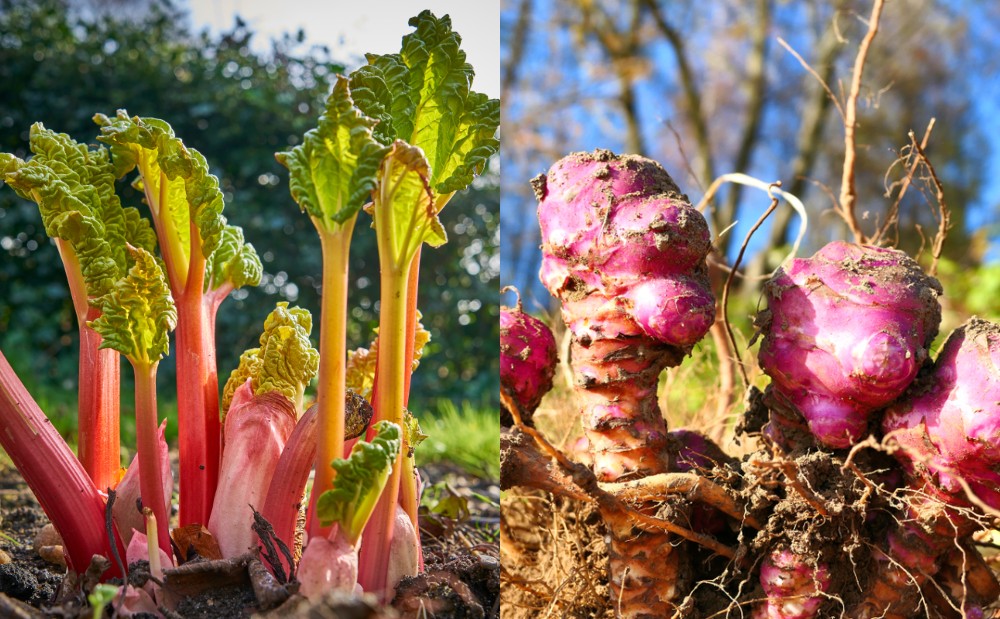
Imagine never having to plant your garden again! As a gardener myself, I thought this sounded like an amazing idea. Turns out it is possible if you just choose perennial plants for the plants in your garden- but which ones? Read on and find out more about perennials that are fruits or vegetables as well as what zone of gardening they need to be planted in so you can enjoy perennial veggies all year round.
Wouldn’t life be great if we didn’t have to go outside during winter months because our gardens were producing beautiful fruit and vegetables right before us at any time of day thanks to these lovely perpetuals?
Rhubarb – Rheum rhabarbarum
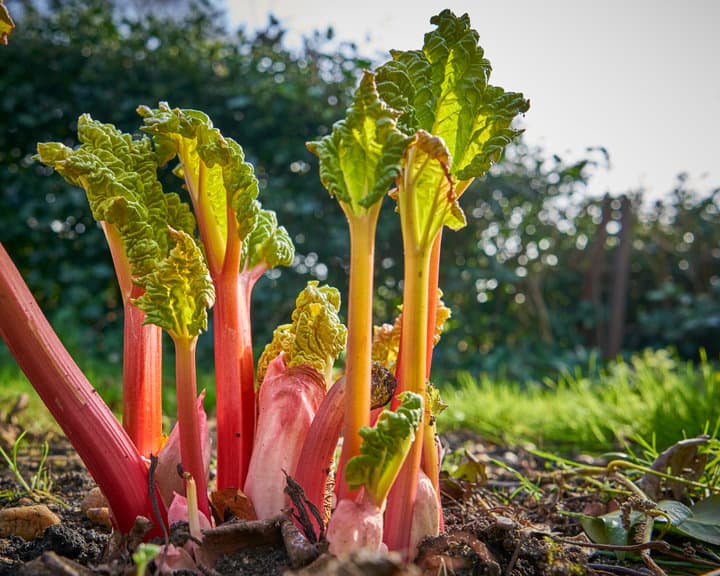
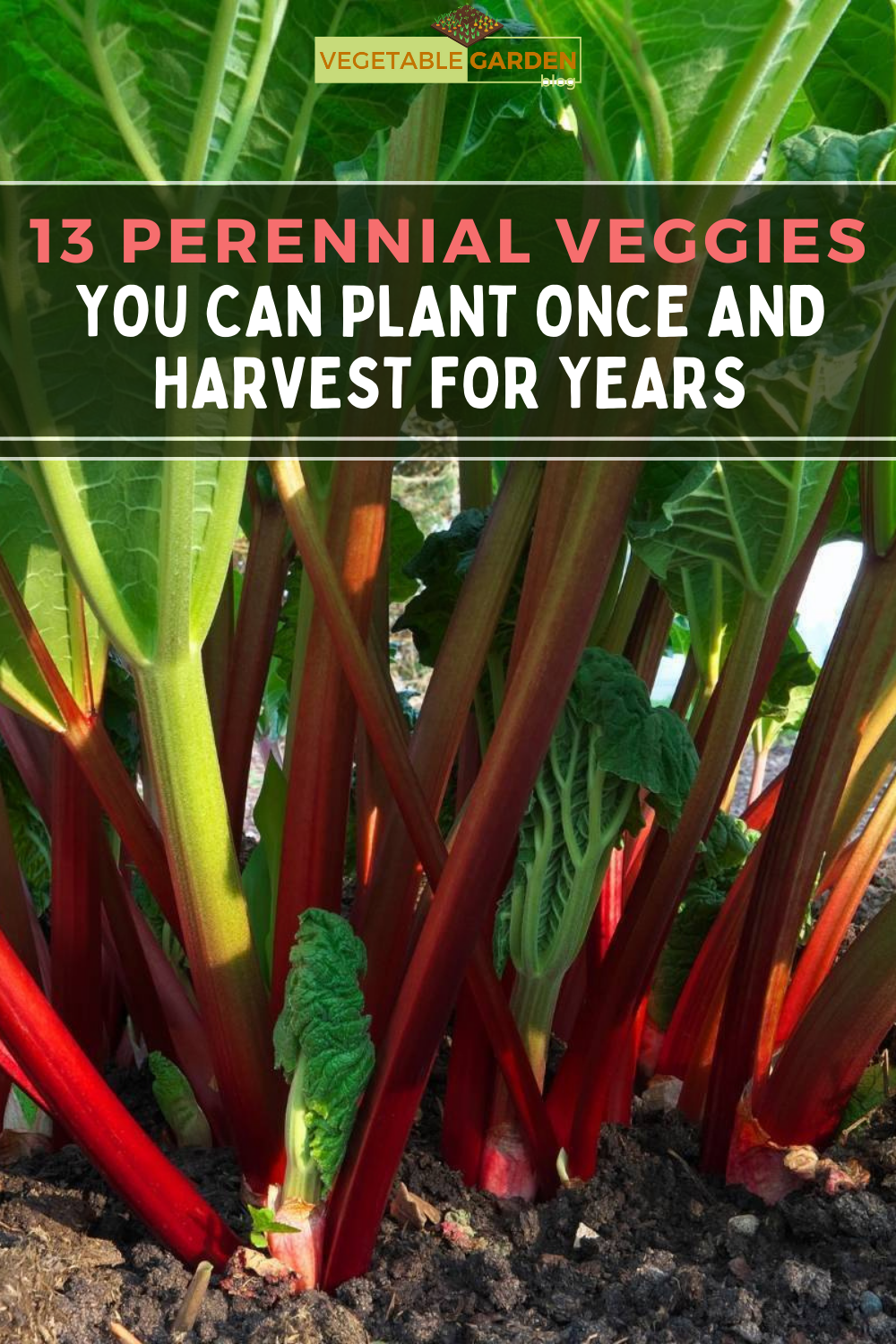
Rhubarb is not for the impatient. Though it grows fast, you can only harvest rhubarb in its second year of growth and then wait before enjoying any fruits from your investment. It takes a long time to get enough roots established on this plant – but once that happens, you’ll have an abundance! If anything ever does go wrong with your plants – like being eaten by animals or attacked by birds – just know they grow back quickly as well; so don’t worry too much about replacing them right away if needed (you are allowed two replacements every five years).
Rhubarbs pair nicely with strawberries because their season lines up perfectly: when one’s fruit starts coming out of production, the other will start ramping up theirs. So
Sorrel – Rumex acetosa
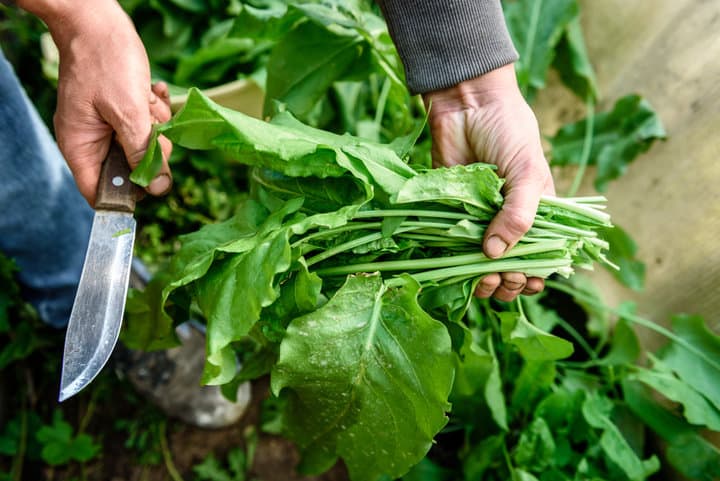
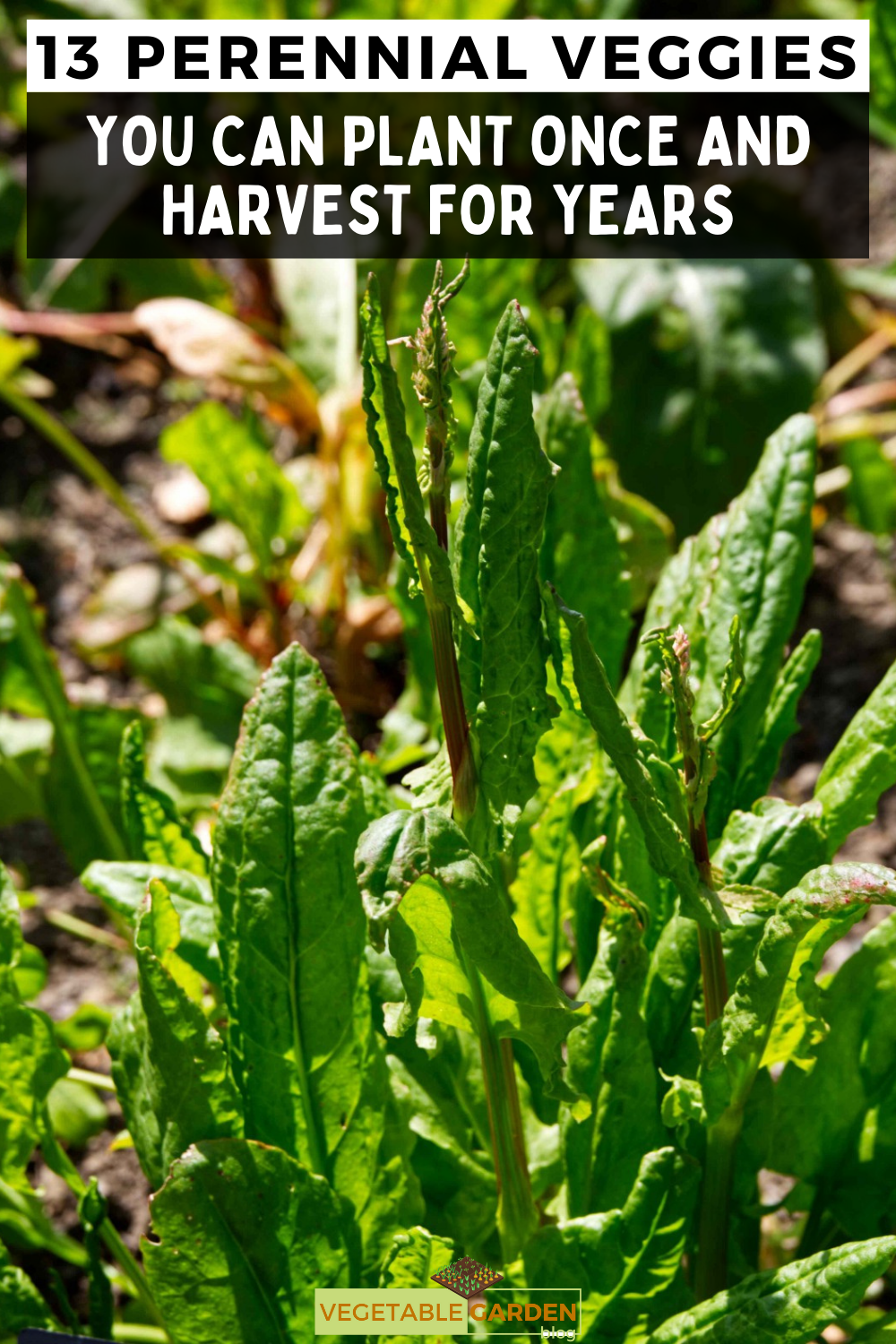
One of the earliest greens to emerge from the soil each spring, is sorrel. Though it has a tangy taste and can be difficult for some people to stomach, there are many health benefits that come with eating this plant! Sorrel produces well until June when they start blooming; if you want fresh leaves then I recommend picking them while they’re young and tender so as not to miss out on their amazing taste!
There’s no need to buy expensive produce at your local grocery store – just find seeds in order for you too enjoy all these perks year round without having worry about seasons or availability.
Chives – Allium schoenoprasum
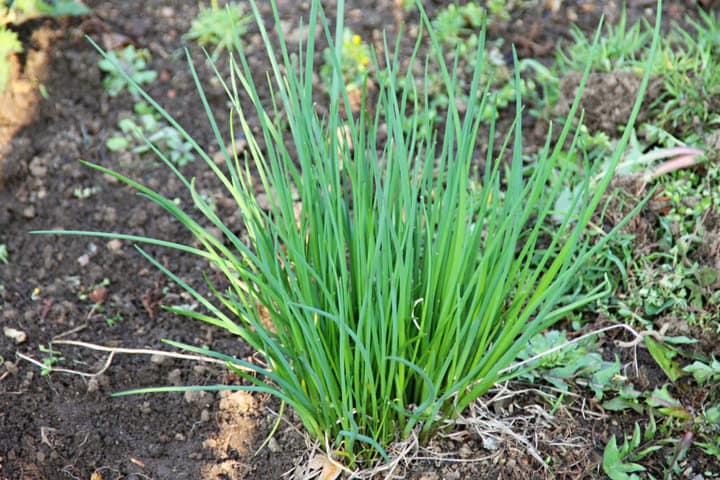
Chives are a very hardy herb, and as such they will need to be divided every few years. Chives can also grow in small pots indoors throughout the year or outside during warmer seasons if you live somewhere that doesn’t get too cold. The best way to enjoy your chive plant is by chopping them up into salads and dips! You won’t have any trouble finding chives at markets or stores because they’re so popular with cooks everywhere.
Asparagus – Asparagus officinalis
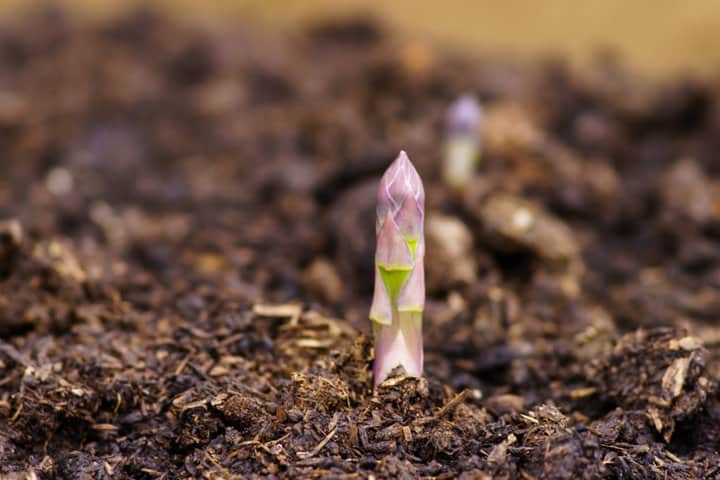
Asparagus will grow tall and wide, giving you a couple of decades’ worth in exchange for your loving care. However, they may be choosy where it resides; preferring sun or soil that drains well. Once planted however, the asparagus is there to stay (unless you like eating them). Growing asparagus might not be suited for beginners but if eaten often enough then learning how to cultivate it becomes second nature!
Jerusalem artichoke – Helianthus tuberosus
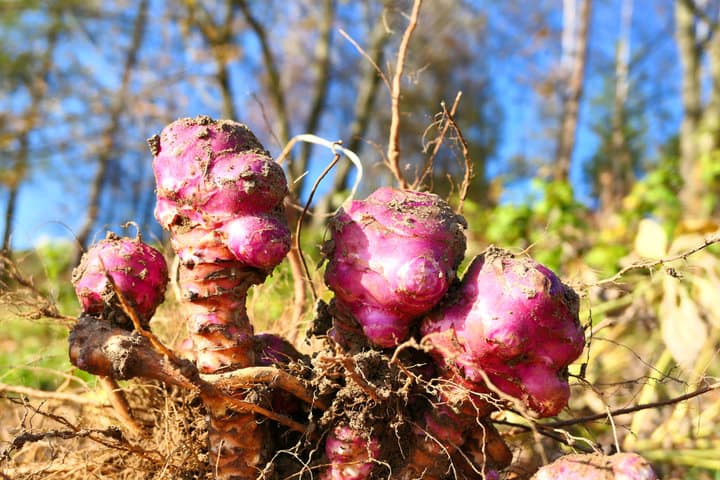
The hard times were tough on the ground and our sunchokes. That summer we only had a few weeks to harvest before they dried out, but it was still enough time for me to get some great recipes!
Globe artichoke – Cynara scolymus
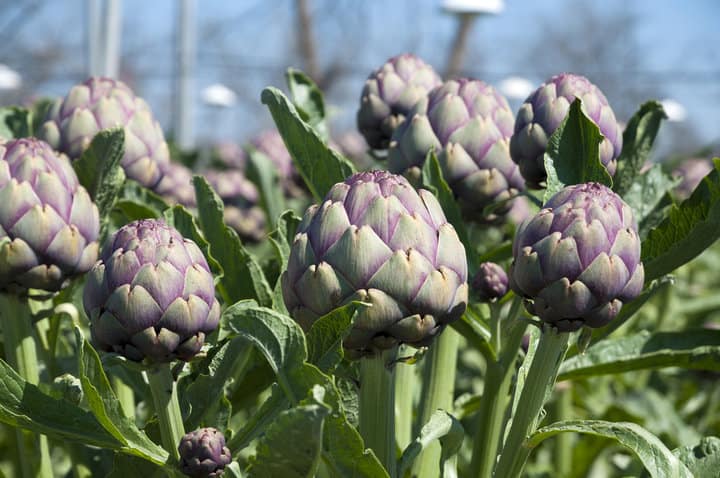
You may not know this, but artichokes are one of the tallest vegetables on earth! They can grow up to five feet tall and have a beautiful head-to-toe appearance. Artichoke season is usually between October and April with peak flavor from November through March because they need long growing seasons for best results.
It’s been found that some varieties can be grown as perennial plants in colder climates where winter needs protection or it will die off during cold months; however those particular types do require more attention than annuals so its about personal preference if you want adventure vs convenience.
Horseradish – Armoracia rusticana
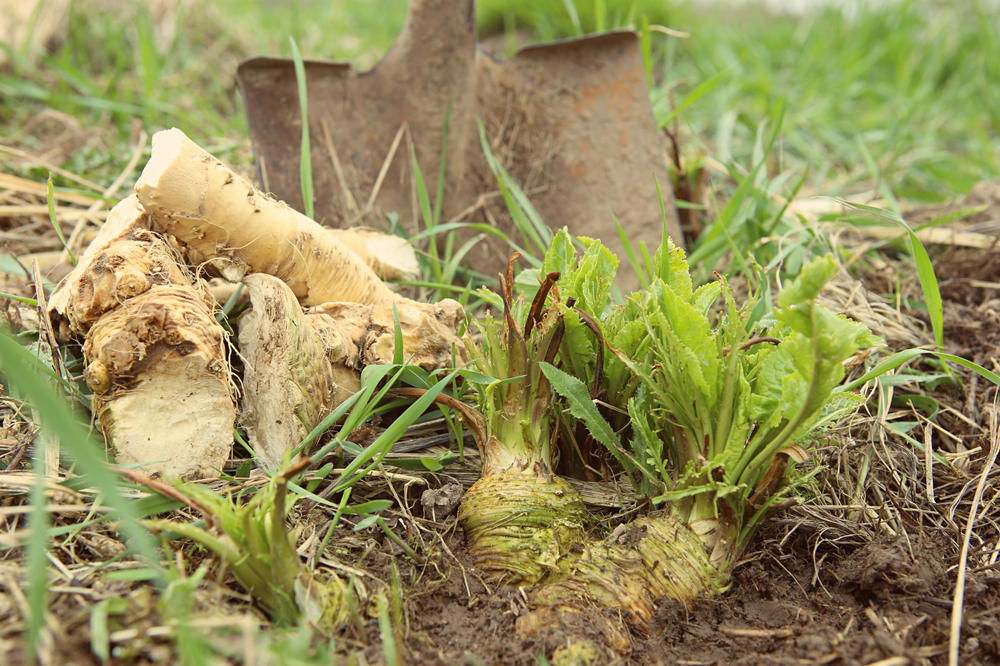
The best way to get the most out of horseradish is fresh, freshly grated. Horseradish can be found in the same family as broccoli and Brussels sprouts but has a greater hardiness than both combined. The roots are usually harvested during autumn months when it’s still warm enough outside for them not to freeze because this root isn’t very cold tolerant!
Watercress – Nasturtium officinale
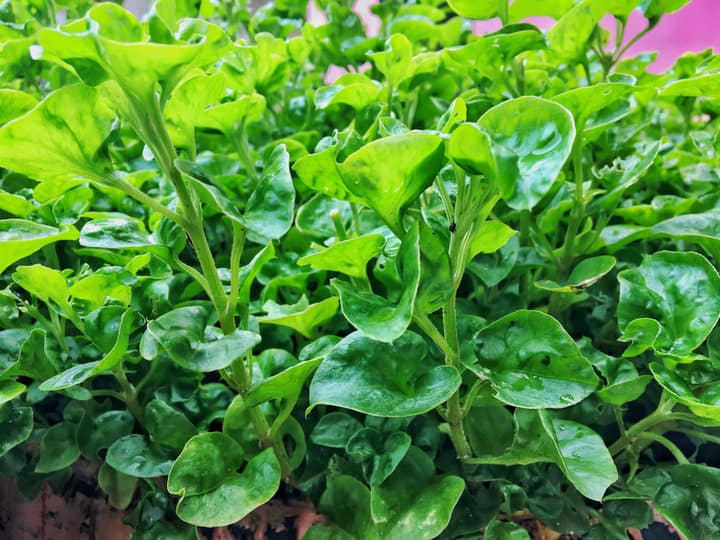
Watercress is a green leafy vegetable that grows abundantly in the wild and can be grown at home with relative ease. The leaves are peppery, much like arugula/rocket but more potent than either of those greens. If you’re looking for something to add some spice back into your salad bowl or want an alternative to lettuce-heavy meals then watercress may be just what you need!
Garlic (typically grown as an annual) – Allium sativum
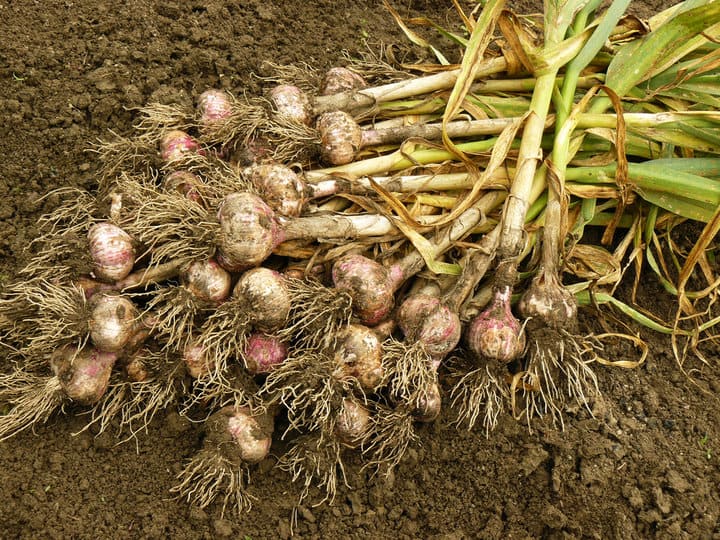
With garlic, it’s all about the scapes. You already know how great planting in autumn is for your garden–now you can keep those bulbs as perennials! Leave them underground and let them multiply until they’re small bulbs (just a few heads worth) with loads of scapes to use up come springtime.
Radicchio (typically grown as an annual) – Cichorium intybus
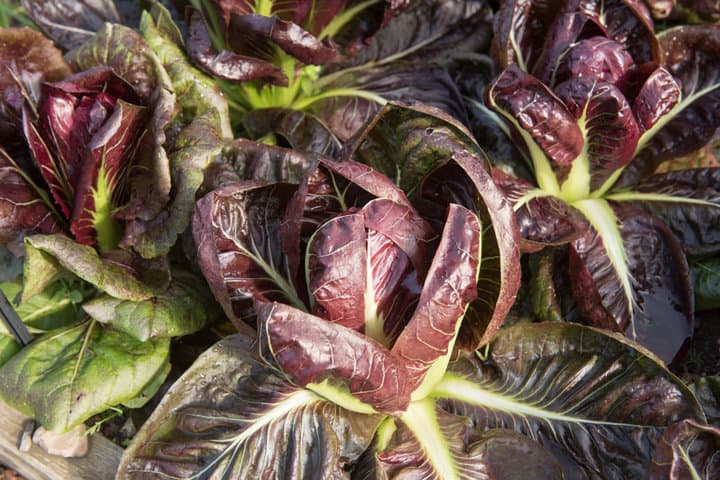
Red chicory is a distinctive vegetable eaten in many European countries. It has been known to impart it’s anti-cancerous effects and reduce cholesterol when consumed regularly, but the further one gets from Europe, less people are aware of this great taste! Let’s give Red Chicory its deserved recognition here on Earth by saying that not only does it survive frosty temperatures well (making for easy gardening), but also tastes delicious with olive oil or balsamic vinegar as an appetizer or side dish.
Three cornered leek – Allium triquetrum
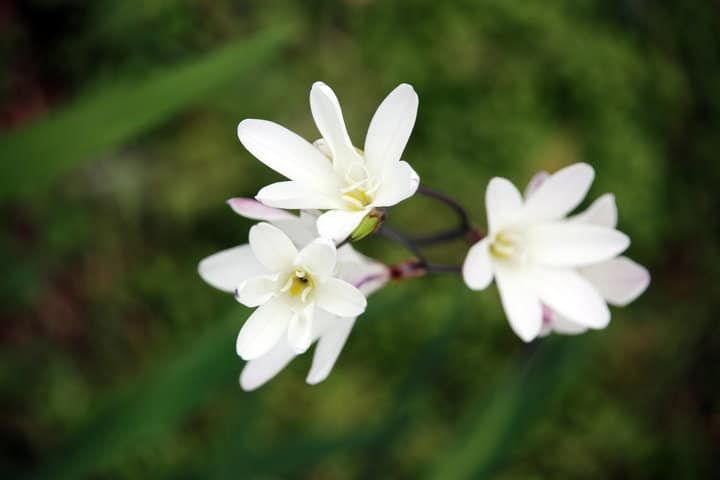
The three-corner leek is a delicacy for the most adventurous of chefs. You can transplant some bulbs to your garden, and know exactly where to “hunt” in April and May when they begin to flower. Leaves can also be harvested from late autumn until other crops start withering away as well!
Goji Berries
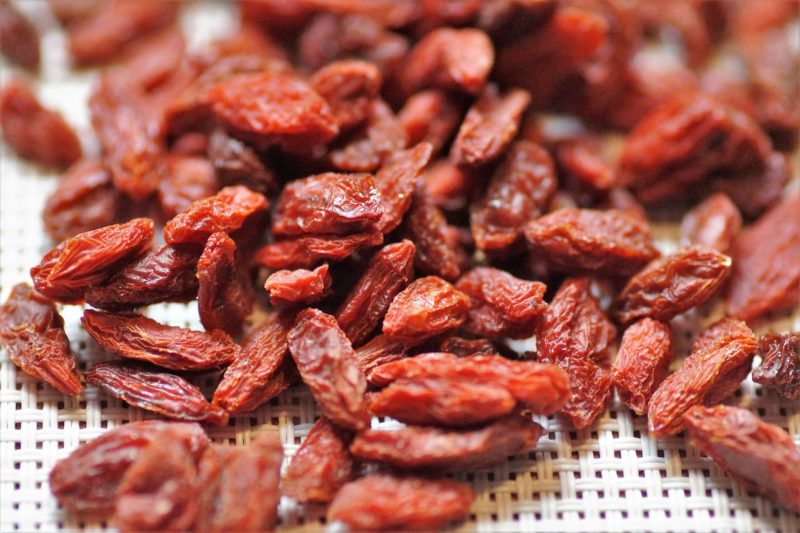
There is a berry which has been popular in East Asia for centuries, but it’s only recently found its way to the west. Known as goji berries, these little red-orange gems can be eaten raw or cooked with and make wine when dried. Though they grow best in zones 3 through 10 on their own roots (and will have died off by zone 11), this fruit can also thrive if left planted during winter months – just keep an eye out for those leafless branches!
Egyptian Walking Onions
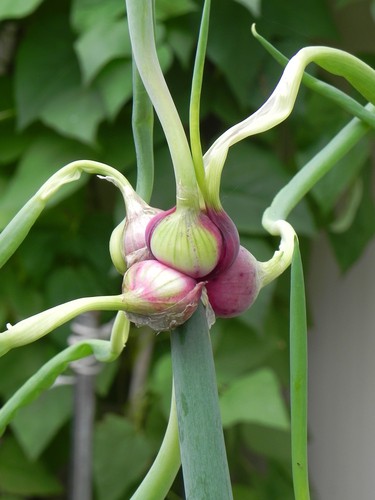
One day my husband met a woman at work who was an experienced gardener and she sent him home with Egyptian walking onions which I had never heard of. These onion are perennials so they grow up until they fall over, then plant new seeds next to them. Once you plant one, it will end up growing into many more delicious looking vegetables that seem magical from the time when we first planted our own garden!

You must be logged in to post a comment Login