Herbs
Plant Once, Harvest Forever: 15 Perennial Herbs That Keep on Giving
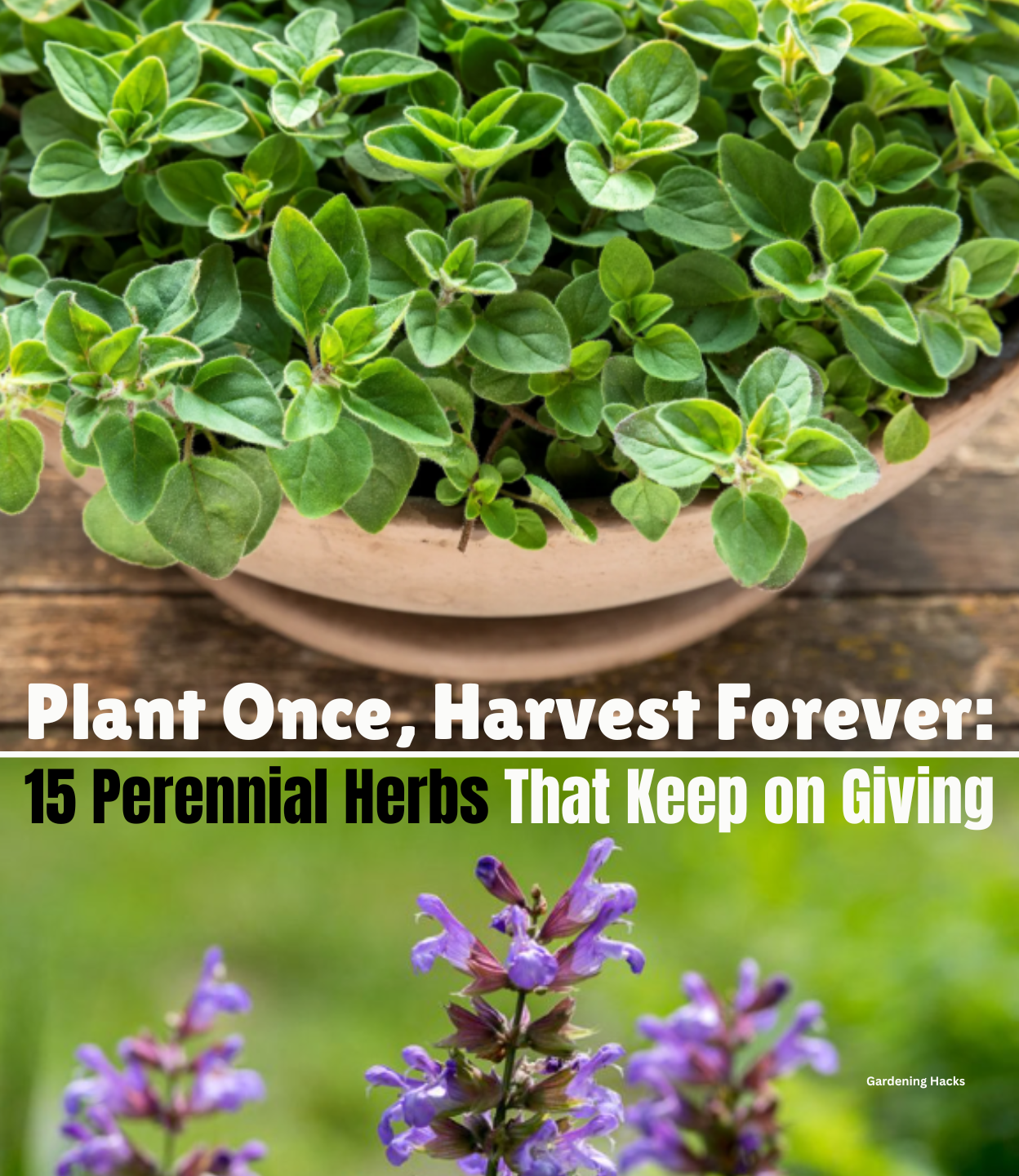
When it comes to building a sustainable, low-maintenance garden, perennial herbs are a dream come true. These hardy plants return year after year, offering a steady supply of flavor, fragrance, and even medicinal benefits—without the need to replant each season. Whether you’re a seasoned gardener or a curious beginner, perennial herbs can save you time, money, and effort, all while elevating your home cooking and natural remedies.
Here are 15 perennial herbs that keep on giving, making them essential additions to any herb garden.
1. Thyme (Thymus vulgaris)
A staple in Mediterranean cooking, thyme is drought-tolerant, compact, and bursting with flavor. It thrives in sunny spots with well-drained soil and makes a great ground cover or border plant.
2. Oregano (Origanum vulgare)
This aromatic herb is a powerhouse in Italian and Greek dishes. Oregano spreads easily, grows well in poor soil, and attracts pollinators like bees and butterflies.
3. Sage (Salvia officinalis)
Known for its earthy flavor and medicinal uses, sage is a woody perennial that thrives in warm, sunny locations. Its silvery leaves are both beautiful and beneficial.
4. Mint (Mentha spp.)
Refreshing and vigorous, mint is best grown in containers to prevent it from taking over your garden. It’s perfect for teas, cocktails, and fresh garnishes.
5. Chives (Allium schoenoprasum)
With their mild onion flavor and cheerful purple flowers, chives are both culinary and ornamental. They grow well in containers and flower beds alike.
6. Lemon Balm (Melissa officinalis)
A member of the mint family, lemon balm has a citrusy scent that’s perfect for teas and calming remedies. It thrives in sun or partial shade and spreads gently.
7. Lavender (Lavandula spp.)
Beyond its culinary uses, lavender is prized for its calming aroma and beautiful blooms. It prefers dry, sunny conditions and poor soil—ideal for low-maintenance gardening.
8. Tarragon (Artemisia dracunculus)
French tarragon adds a subtle anise flavor to sauces and poultry dishes. It grows best in full sun with good drainage and is a must for classic French cuisine.
9. Rosemary (Rosmarinus officinalis)
A robust, woody herb with needle-like leaves, rosemary is both fragrant and versatile in the kitchen. It thrives in warm climates and can be grown indoors in colder zones.
10. Lovage (Levisticum officinale)
With a flavor reminiscent of celery and parsley, lovage is a lesser-known but highly useful herb. It grows tall and returns reliably each spring.
11. Fennel (Foeniculum vulgare)
Fennel’s feathery fronds and licorice flavor make it a standout herb. It self-seeds easily, and the bulbs, fronds, and seeds are all edible.
12. Winter Savory (Satureja montana)
This hardy herb has a peppery taste that complements meats and legumes. Unlike its annual cousin, summer savory, winter savory is a true perennial.
13. Hyssop (Hyssopus officinalis)
Traditionally used in teas and herbal medicine, hyssop has a slightly minty flavor and lovely purple blooms that attract pollinators.
14. Sorrel (Rumex acetosa)
This tangy, lemony herb is perfect in salads, soups, and sauces. Sorrel grows early in the season and can tolerate a wide range of conditions.
15. Curry Plant (Helichrysum italicum)
While not the source of curry powder, this aromatic herb smells distinctly like curry and adds a unique flavor to dishes. It also makes a striking ornamental plant.
Tips for Growing Perennial Herbs
-
Sunlight is key: Most perennial herbs prefer full sun (at least 6 hours per day).
-
Soil matters: Well-draining soil ensures healthy root systems.
-
Prune regularly: Trimming herbs promotes bushier growth and prevents them from becoming woody.
-
Harvest wisely: Avoid over-harvesting any one plant to allow it to recover and continue producing.
-
Mulch and protect: In colder climates, mulch around the base in late fall to protect roots through winter.
Conclusion
Perennial herbs are the gifts that keep on giving. By planting them once and enjoying harvests year after year, you’ll not only save time and effort but also create a more sustainable and flavorful garden. Whether you grow them in pots, raised beds, or right in your backyard soil, these herbs will continue to reward you—season after season.

You must be logged in to post a comment Login