Plant Care, Soil & Tips
Never Use Vinegar on These Plants—You Will Damage Them!
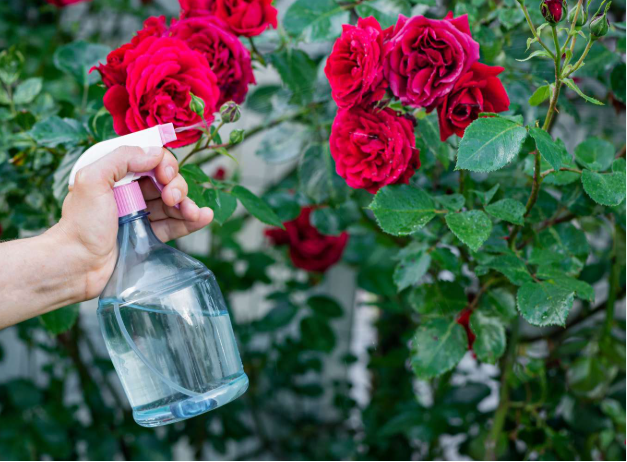
Vinegar is often touted as a natural and effective alternative to chemical herbicides, fertilizers, and pest repellents. While it has many uses in the garden, not all plants tolerate its acidic nature. In fact, applying vinegar to certain plants can cause irreversible damage, leading to leaf burn, stunted growth, or even plant death. If you’re a gardening enthusiast looking to use vinegar, be cautious—here are some plants you should never expose to this common household ingredient.
1. Delicate Flowers (Roses, Hydrangeas, and Lilies)
Roses, hydrangeas, and lilies are sensitive to acidic solutions. Vinegar can dry out their leaves, disrupt their natural pH balance, and hinder their ability to absorb nutrients. This can lead to withering and long-term damage to these beautiful blooms.
2. Vegetable Plants (Tomatoes, Peppers, and Cucumbers)
Tomatoes, peppers, and cucumbers thrive in well-balanced soil with a neutral to slightly acidic pH. Applying vinegar to these plants can alter the soil composition, making it too acidic for healthy growth. The result? Stunted growth, yellowing leaves, and reduced fruit production.
3. Leafy Greens (Lettuce, Spinach, and Kale)
Leafy greens are highly sensitive to vinegar exposure. A direct spray can cause leaf burn, making the greens inedible. Additionally, vinegar can leach into the soil, affecting their root systems and overall vitality.
4. Herbs (Basil, Mint, and Parsley)
Herbs like basil, mint, and parsley prefer a well-drained, slightly alkaline to neutral soil. The application of vinegar can disrupt this balance, leading to weaker, less flavorful plants. Vinegar’s desiccating properties can also burn the delicate leaves, reducing their culinary and medicinal value.
5. Ornamental Plants (Azaleas, Gardenias, and Ferns)
Azaleas, gardenias, and ferns require specific soil conditions and thrive in moisture-retaining environments. Vinegar can strip essential nutrients from the soil, leading to leaf discoloration, slow growth, and weakened plant structures.
6. Fruit Trees (Citrus, Apple, and Peach Trees)
Fruit trees require a balanced pH for proper root development and fruit production. Vinegar can kill beneficial microbes in the soil, disrupt root health, and cause premature leaf drop. Over time, frequent exposure can lead to decreased fruit yield and overall poor tree health.
Why Is Vinegar Harmful to These Plants?
Vinegar contains acetic acid, which lowers soil pH and removes moisture from plant cells, leading to dehydration and nutrient deficiency. While it works effectively as a natural weed killer, its non-selective nature means that beneficial plants can also suffer when exposed to even diluted solutions.
How to Use Vinegar Safely in the Garden
- Spot-Treat Weeds Only: If using vinegar as a weed killer, apply it directly to unwanted weeds while shielding desirable plants.
- Avoid Soil Contact: Vinegar alters soil pH, so keep it away from plant roots and areas where sensitive plants are growing.
- Dilute When Necessary: If using vinegar for pest control, dilute it heavily and test on a small area before applying it to the entire plant.
Conclusion
Vinegar is a powerful natural remedy in gardening, but it must be used with caution. While it’s great for weed control and pest management, applying it to the wrong plants can cause serious harm. By understanding which plants are vulnerable, you can keep your garden healthy and thriving without unintended damage. Always research before using vinegar on your plants to ensure the best results for your greenery!

You must be logged in to post a comment Login