Plants
Grow and Care for Your Foxtail Fern: A Guide for Beginners
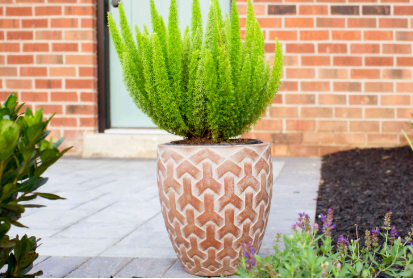
The foxtail fern (Asparagus densiflorus ‘Meyersii’) is a lush, evergreen perennial known for its feathery, arching plumes that resemble a fox’s tail. Despite its delicate appearance, this plant is hardy and low-maintenance, making it an excellent choice for both beginner and seasoned gardeners. Whether grown indoors or outdoors, here’s everything you need to know to help your foxtail fern thrive.
Understanding the Foxtail Fern
While commonly referred to as a fern, the foxtail fern is actually a member of the asparagus family. Unlike true ferns, it does not reproduce through spores but instead produces small white flowers followed by red berries. This resilient plant is known for its drought tolerance and ability to withstand a variety of growing conditions.
Ideal Growing Conditions
1. Light Requirements
Foxtail ferns thrive in bright, indirect light. They can tolerate some direct morning sun, but prolonged exposure to harsh sunlight may scorch their delicate foliage. If growing indoors, place them near a window with filtered sunlight.
2. Soil
Well-draining, rich soil is ideal for foxtail ferns. A mix of potting soil, sand, and compost provides the perfect balance of nutrients and drainage. Avoid heavy, clay-like soil that retains too much moisture.
3. Watering
These plants prefer evenly moist soil but are relatively drought-tolerant once established. Water deeply when the top inch of soil feels dry. Overwatering can lead to root rot, so ensure the pot or planting area has proper drainage.
4. Temperature and Humidity
Foxtail ferns enjoy warm temperatures between 65-75°F (18-24°C). They are somewhat cold-hardy but should be protected from frost. If temperatures drop below 50°F (10°C), consider bringing them indoors or covering them with a protective layer.
5. Fertilization
Feed your foxtail fern with a balanced, slow-release fertilizer during the growing season (spring and summer). A diluted liquid fertilizer applied every few weeks can also promote lush growth.
Pruning and Maintenance
Regular pruning helps maintain the foxtail fern’s attractive shape and prevents it from becoming too bushy. Remove yellow or brown fronds at the base to encourage new, healthy growth. If the plant becomes too large, it can be divided and repotted.
Common Pests and Problems
Foxtail ferns are generally resistant to pests, but they may occasionally attract spider mites or mealybugs. Inspect the foliage regularly and treat infestations with insecticidal soap or neem oil.
Propagation
Foxtail ferns can be propagated by division. In early spring, carefully separate the root ball into smaller sections and replant them in fresh soil. This method helps rejuvenate older plants and allows for multiple plants from a single parent fern.
Conclusion
With its striking foliage and low-maintenance nature, the foxtail fern is a fantastic addition to any garden or indoor space. By providing the right balance of light, water, and nutrients, you can enjoy this unique and resilient plant for years to come. Whether you’re a beginner or an experienced gardener, the foxtail fern is sure to add beauty and charm to your plant collection.

You must be logged in to post a comment Login