Plants
Goosegrass: Health Benefits and Uses
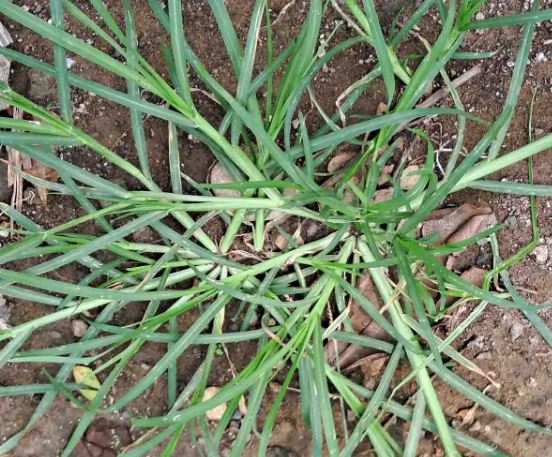
Goosegrass (Galium aparine), commonly known as cleavers, stickyweed, or catchweed, is a modest plant with a wealth of medicinal and practical uses. Found growing wild in fields, gardens, and along hedgerows, goosegrass has been utilized in traditional medicine for centuries. Its sticky, climbing stems may make it a nuisance for gardeners, but its health benefits and versatility are worth exploring.
Nutritional Profile
Goosegrass is rich in vitamins C and K and contains beneficial plant compounds like flavonoids and tannins. Its diuretic properties and ability to support the lymphatic system make it a valued herb in natural remedies.
Health Benefits
1. Lymphatic System Support
Goosegrass is renowned for its ability to support the lymphatic system. By encouraging lymphatic drainage, it helps reduce swelling, particularly in cases of lymphedema. Herbalists often recommend it for detoxification, as it aids the body in flushing out toxins.
2. Kidney and Urinary Health
The diuretic properties of goosegrass make it effective for urinary tract health. It can help alleviate symptoms of urinary infections, promote healthy kidney function, and reduce water retention.
3. Skin Health
Goosegrass has been traditionally used to treat skin conditions such as eczema, psoriasis, and minor wounds. Its anti-inflammatory and soothing properties can reduce irritation and support healing when applied topically as a poultice or wash.
4. Digestive Aid
When taken as a tea, goosegrass can help soothe digestive issues, including gastritis and bloating. It also acts as a mild laxative, supporting regular bowel movements.
5. Immune System Boost
Rich in antioxidants and vitamin C, goosegrass helps combat free radicals, supporting overall immune function. Regular consumption can enhance the body’s natural defenses.
Common Uses of Goosegrass
- Herbal Tea: Steeping fresh or dried goosegrass in hot water creates a mild, detoxifying tea. It is often used to support kidney and lymphatic health.
- Topical Applications: Crushed goosegrass can be applied to wounds, rashes, or irritated skin to soothe and promote healing.
- Salads and Smoothies: Young shoots of goosegrass are edible and can be added to salads or blended into smoothies for a nutritional boost.
- Infused Oil: Goosegrass can be infused into oil for use in salves or skin treatments.
- Poultices: Traditionally, fresh goosegrass is mashed and applied directly to swollen glands or other areas requiring anti-inflammatory care.
Precautions
While goosegrass is generally safe for consumption and topical use, some individuals may experience mild allergic reactions. Always conduct a patch test before applying it to the skin. Pregnant or breastfeeding individuals should consult a healthcare professional before using goosegrass remedies.
Harvesting and Sustainability
Goosegrass is abundant and easy to harvest. Look for vibrant green plants growing in non-polluted areas. Be sure to collect only what you need to ensure sustainability and leave plenty for local wildlife, as it serves as food for various insects and birds.
Conclusion
Goosegrass, with its sticky leaves and modest appearance, is an overlooked gem in the world of natural health. From detoxifying the body to soothing skin irritations, its versatility makes it a valuable addition to any herbal medicine cabinet. Incorporate it into your wellness routine to enjoy its many benefits, but always use it responsibly and consult a healthcare provider when needed.

You must be logged in to post a comment Login