Fruits
The Datura Genus: Why You Should Keep Your Distance from These Toxic Plants
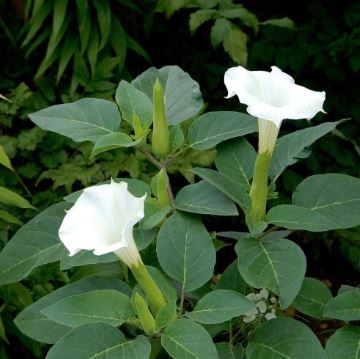
The Datura genus, known for its striking flowers and bold appearance, is a group of plants that can be as dangerous as they are beautiful. Often referred to as “Angel’s Trumpet” due to their large, trumpet-shaped blooms, Daturas are found in many parts of the world. However, despite their visual appeal, these plants contain potent toxins that can pose serious health risks to humans and animals alike. In this article, we’ll explore why you should keep your distance from these toxic plants and understand their dangers.
What Is Datura?
Datura is a genus of flowering plants in the Solanaceae family, which also includes tomatoes, potatoes, and nightshades. The plants are native to temperate and tropical regions of the world, and many species of Datura have become naturalized in a variety of environments. Known for their large, showy flowers, Daturas can have blooms in shades of white, purple, yellow, or pink. However, despite their beauty, the Datura genus is notorious for being highly toxic.
Common species of Datura include Datura stramonium (Jimsonweed), Datura inoxia (Moonflower), and Datura metel (Devil’s Trumpet). While they are cultivated in some areas for ornamental purposes, they are often found growing in the wild, especially in disturbed areas like roadsides and fields.
Why Are Daturas Dangerous?
The danger of Daturas lies in the potent chemicals they contain, specifically tropane alkaloids, such as atropine, scopolamine, and hyoscyamine. These compounds can have severe effects on the body, particularly on the nervous system. They are known to cause symptoms such as:
- Dilated pupils
- Blurred vision
- Rapid heartbeat
- Dry mouth
- Fever
- Hallucinations
- Delirium
- Seizures
- Death (in extreme cases)
Even small amounts of the plant can be fatal, especially when consumed by children or pets. The toxic effects can be immediate, and because the symptoms can mimic other illnesses, diagnosing Datura poisoning can be difficult without proper medical attention.
Toxicity in All Parts of the Plant
Every part of the Datura plant is toxic, including the leaves, flowers, seeds, and roots. The highest concentrations of toxic compounds are typically found in the seeds, but all parts of the plant can cause harm if ingested or improperly handled. Ingesting as little as a single seed can lead to poisoning, while consuming larger amounts can be fatal.
Unpredictable Potency
Another factor that makes Daturas especially dangerous is the unpredictable nature of their toxicity. The concentration of toxic compounds can vary significantly from plant to plant, and even within the same plant depending on growing conditions. This means that even an experienced person handling Datura might not be able to gauge how potent a specific specimen is, increasing the risk of accidental poisoning.
Risks to Humans
Daturas have a long history of use in traditional medicine and for recreational purposes, but their misuse can lead to severe consequences. The plants have been used for centuries in folk medicine, often in the form of a tincture or paste, to treat a variety of ailments, from asthma to pain relief. However, the narrow therapeutic window between a beneficial dose and a lethal dose makes them incredibly dangerous. Today, the plants are sometimes used for their hallucinogenic properties, but consuming Datura in this manner can result in extreme confusion, agitation, and a range of disturbing psychological effects.
Even more concerning is the accidental ingestion of Datura by children or individuals who might mistake the seeds for something edible. The plant’s allure and its attractive flowers may be tempting, but ingesting even a small amount can result in poisoning that requires immediate medical intervention.
Risks to Pets and Livestock
Pets, especially dogs and cats, are at significant risk from Datura plants if they have access to them. Animals that chew on Datura leaves, flowers, or seeds can experience the same toxic effects as humans. Common symptoms in pets include drooling, vomiting, confusion, and, in severe cases, respiratory failure or death. Livestock such as horses and cattle are also vulnerable if they graze in areas where Datura is present.
Pet owners should take extra care to ensure that their gardens and outdoor spaces are free from Datura plants, especially if they have curious animals that tend to explore unfamiliar plants.
Handling Datura with Care
If you are a gardener or plant enthusiast, it’s essential to understand the potential dangers of Datura before deciding to plant it in your garden. While the flowers can be stunning, it’s vital to remember that they are not worth the risk to children, pets, or wildlife. If you do choose to grow Datura, make sure it’s planted in a location that is inaccessible to curious hands or paws. Additionally, always wear gloves when handling any part of the plant to prevent skin exposure to the toxic compounds.
For those who live in areas where Datura grows naturally, it’s important to be cautious when hiking or exploring the outdoors. Keep an eye out for the plant and make sure to avoid touching or ingesting any part of it.
Conclusion: Keep Your Distance
The Datura genus is an alluring yet hazardous group of plants that should be treated with respect and caution. While their large, trumpet-shaped flowers may captivate you with their beauty, the toxic properties of these plants far outweigh their ornamental appeal. Whether you are a gardener, a pet owner, or simply someone who enjoys nature, it’s important to remember that these plants pose serious risks to both human and animal health. The best advice when it comes to Daturas? Admire them from afar, but always keep your distance.

You must be logged in to post a comment Login