Plants
10 Self-Seeding Plants You’ll Never Have to Plant Again
Gardening is a rewarding hobby, but sometimes, the constant planting, replanting, and maintenance can feel overwhelming. What if you could plant something once, and then just let it take care of itself year after year? The good news is, there are many self-seeding plants that will do just that. These resilient beauties come back each season without much input from you, making them perfect for lazy gardeners or anyone looking to reduce the time spent maintaining their garden.
Here are 10 fantastic self-seeding plants that will grace your garden year after year with little to no effort on your part:
1. Poppies (Papaver spp.)
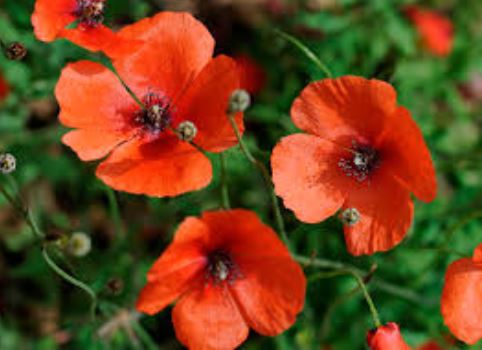
Poppies are classic garden favorites with striking flowers in vibrant colors, including reds, pinks, and whites. Once you plant them, they’ll self-seed generously, often popping up in unexpected places the following year. Poppies thrive in full sun and poor, well-drained soil, making them low-maintenance beauties that brighten up any garden.
- Why You’ll Love Them: Poppies are easy to grow and can thrive in areas where other plants might struggle. They’re perfect for adding bold, colorful accents to your garden.
2. Nigella (Nigella damascena)
Also known as “Love-in-a-Mist,” Nigella is a charming annual that produces intricate, lace-like foliage and vibrant blue, white, or pink flowers. This plant is prolific in reseeding itself, and the pods that follow the flowers often contain ornamental seeds, which add an extra decorative element to your garden.
- Why You’ll Love Them: Nigella flowers look delicate but are incredibly hardy, thriving in a variety of soil types. They also attract beneficial pollinators like bees and butterflies.
3. Calendula (Calendula officinalis)
Calendula, or pot marigold, is a cheery addition to any garden, with bright orange or yellow flowers that bloom throughout the summer. Calendulas are excellent self-seeders and will happily come back year after year with minimal care. They also have edible flowers that can be used in salads or as garnish.
- Why You’ll Love Them: Calendulas are not only beautiful but also have medicinal properties and can be used to make soothing creams or ointments. Plus, they’re great for attracting pollinators.
4. Cilantro (Coriandrum sativum)
Cilantro (also known as coriander) is a versatile herb that thrives in sunny locations and self-seeds with enthusiasm. Once the plant goes to seed, it will scatter its coriander seeds around the garden, sprouting new cilantro plants the following season.
- Why You’ll Love Them: If you love cooking, cilantro is a fantastic herb to have around. It’s easy to grow, and its fresh leaves add a burst of flavor to many dishes.
5. Lettuce (Lactuca sativa)
Lettuce is another edible plant that’s quick to bolt in warmer weather, but it also does a great job of self-seeding. You’ll often see new lettuce plants emerging from the seeds left behind by the previous crop. Lettuce thrives in cooler temperatures, making it ideal for early spring and fall gardens.
- Why You’ll Love Them: Growing lettuce from seed means you can enjoy a continual supply of fresh, crisp leaves without the need for constant replanting.
6. Wildflower Mixes
A wildflower mix can transform a dull patch of earth into a colorful, buzzing meadow. Most wildflowers, especially those native to your area, are prolific self-seeders. Once established, they’ll spread naturally, creating a low-maintenance garden that flourishes every year.
- Why You’ll Love Them: Wildflowers require very little care and provide habitat for pollinators, such as bees and butterflies. They’re perfect for creating a vibrant, eco-friendly landscape.
7. Sweet Alyssum (Lobularia maritima)
Sweet alyssum is a hardy, low-growing annual that produces a carpet of small, fragrant white, purple, or pink flowers. These plants are champions of self-seeding and will keep returning year after year with little effort on your part. They thrive in both sunny and partially shaded spots.
- Why You’ll Love Them: Sweet alyssum is not only beautiful and fragrant but also known for attracting beneficial insects, including honeybees and ladybugs, which help with pest control.
8. Chives (Allium schoenoprasum)
Chives are a perennial herb that will self-seed in your garden if you let them. These onion-flavored greens are hardy, easy to grow, and will return every spring with minimal care. Chive flowers are also a beautiful addition to any garden, attracting bees and other pollinators.
- Why You’ll Love Them: Chives are perfect for adding flavor to your dishes, and their attractive purple flowers make them an excellent addition to ornamental gardens as well as herb gardens.
9. Thyme (Thymus vulgaris)
Thyme is a fragrant perennial herb that can thrive in a variety of growing conditions. Once established, thyme will self-seed and spread, making it an excellent option for gardeners looking for low-maintenance plants. It’s great for use in cooking and also attracts pollinators.
- Why You’ll Love Them: Thyme is a versatile herb that adds a distinct flavor to both savory dishes and teas. It’s also drought-tolerant, making it perfect for xeriscaping or dry gardens.
10. Borage (Borago officinalis)
Borage is an easy-to-grow herb that produces stunning blue star-shaped flowers and large, fuzzy leaves. This plant is a notorious self-seeder and will often come back year after year without needing replanting. It thrives in sunny areas and poor soil, making it a hardy addition to your garden.
- Why You’ll Love Them: Borage is a great companion plant, as it attracts pollinators and can even improve the growth of nearby plants. The leaves and flowers are edible, adding a cucumber-like flavor to salads or drinks.
Conclusion
Self-seeding plants are a gardener’s best friend, providing beauty, food, and fragrance without requiring a lot of attention or effort. By choosing the right self-seeding plants for your garden, you can create a thriving, low-maintenance landscape that will return year after year, bringing new life and color with each season. Whether you’re looking for flowers, herbs, or vegetables, these plants will make your gardening life easier and more enjoyable. Happy gardening!

You must be logged in to post a comment Login