Fruits
The Power of Fig Leaves: A Hidden Gem for Health and Wellness
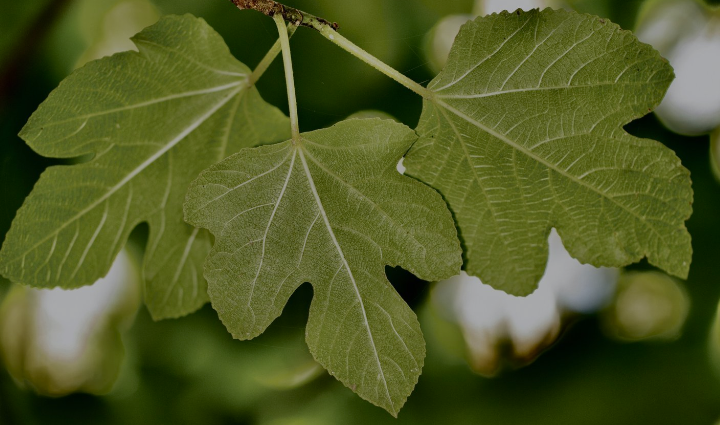
When we think of figs, the deliciously sweet fruit often steals the spotlight. However, the humble fig leaf, often overlooked, is a nutritional powerhouse in its own right. For centuries, these leaves have been used in traditional medicine, offering a range of health benefits. Today, science is beginning to catch up, and fig leaves are gaining recognition as a hidden gem for health and wellness.
Nutritional Profile of Fig Leaves
Fig leaves are packed with vitamins and minerals, such as vitamins A, B1, and B2, calcium, phosphorus, manganese, potassium, and iron. These nutrients are crucial for maintaining various bodily functions, from bone health to energy production. But the true magic of fig leaves lies in their lesser-known compounds—flavonoids, polyphenols, and antioxidants—that work wonders on both our physical and mental well-being.
Health Benefits of Fig Leaves
1. Blood Sugar Regulation
One of the most significant benefits of fig leaves is their potential to help regulate blood sugar levels. For centuries, fig leaves have been used in folk medicine to manage diabetes, and modern research supports this traditional use. Studies have found that fig leaf extract can improve insulin sensitivity and reduce post-meal blood sugar spikes, making it a valuable tool in managing Type 2 diabetes.
2. Heart Health
Fig leaves also play an important role in promoting cardiovascular health. The antioxidants found in fig leaves help reduce inflammation and oxidative stress, two key factors in heart disease development. Moreover, fig leaf extracts have been shown to lower triglyceride levels, further supporting heart health by reducing the risk of plaque buildup in arteries.
3. Anti-inflammatory and Antioxidant Properties
Chronic inflammation is the root cause of many diseases, including arthritis, cardiovascular disease, and cancer. Fig leaves contain powerful anti-inflammatory compounds that can help reduce inflammation in the body, easing symptoms of conditions such as arthritis and asthma. The antioxidants in fig leaves also combat free radicals, reducing oxidative stress that can damage cells and accelerate aging.
4. Digestive Health
Fig leaves have been used as a traditional remedy for digestive issues for generations. They have a mild laxative effect, which can help ease constipation and improve digestion. Fig leaves are also thought to promote healthy gut flora, contributing to overall gastrointestinal health.
5. Skin Care and Healing
The antimicrobial and anti-inflammatory properties of fig leaves make them an excellent natural remedy for skin issues. They can help soothe conditions like eczema, psoriasis, and acne. Fig leaf extracts have also been used in wound healing, thanks to their ability to promote tissue regeneration and reduce inflammation.
How to Use Fig Leaves
Fig leaves can be used in a variety of ways to harness their health benefits. One of the simplest methods is to brew them into a tea. Fig leaf tea has a mild, earthy flavor and can be enjoyed hot or cold. You can also use dried fig leaves in cooking, adding them to soups, stews, or even as a wrapping for steamed dishes, much like grape leaves.
For topical applications, fig leaf extract can be found in various skin care products. You can also create your own fig leaf-infused oil or balm by steeping dried leaves in a carrier oil like olive or coconut oil.
Precautions and Considerations
While fig leaves offer numerous health benefits, it’s important to use them in moderation. Fig leaves contain compounds like furanocoumarins, which can cause skin irritation or sensitivity to sunlight in some individuals. It’s always a good idea to consult with a healthcare provider before incorporating fig leaves into your diet or wellness routine, especially if you have any preexisting health conditions or are taking medications.
Conclusion
The power of fig leaves is truly remarkable, offering a wide range of health and wellness benefits. From regulating blood sugar and promoting heart health to supporting digestion and soothing the skin, this ancient remedy is a hidden gem that deserves a place in modern health practices. Whether you enjoy it in tea, use it in cooking, or apply it topically, fig leaves are a natural, versatile, and potent addition to any wellness routine.
As more people seek holistic and plant-based solutions to health concerns, the fig leaf is emerging as a valuable ally in achieving optimal well-being.

You must be logged in to post a comment Login