Plants
Harnessing the Power of Goose Grass: A Guide to Its Preparation and Therapeutic Uses
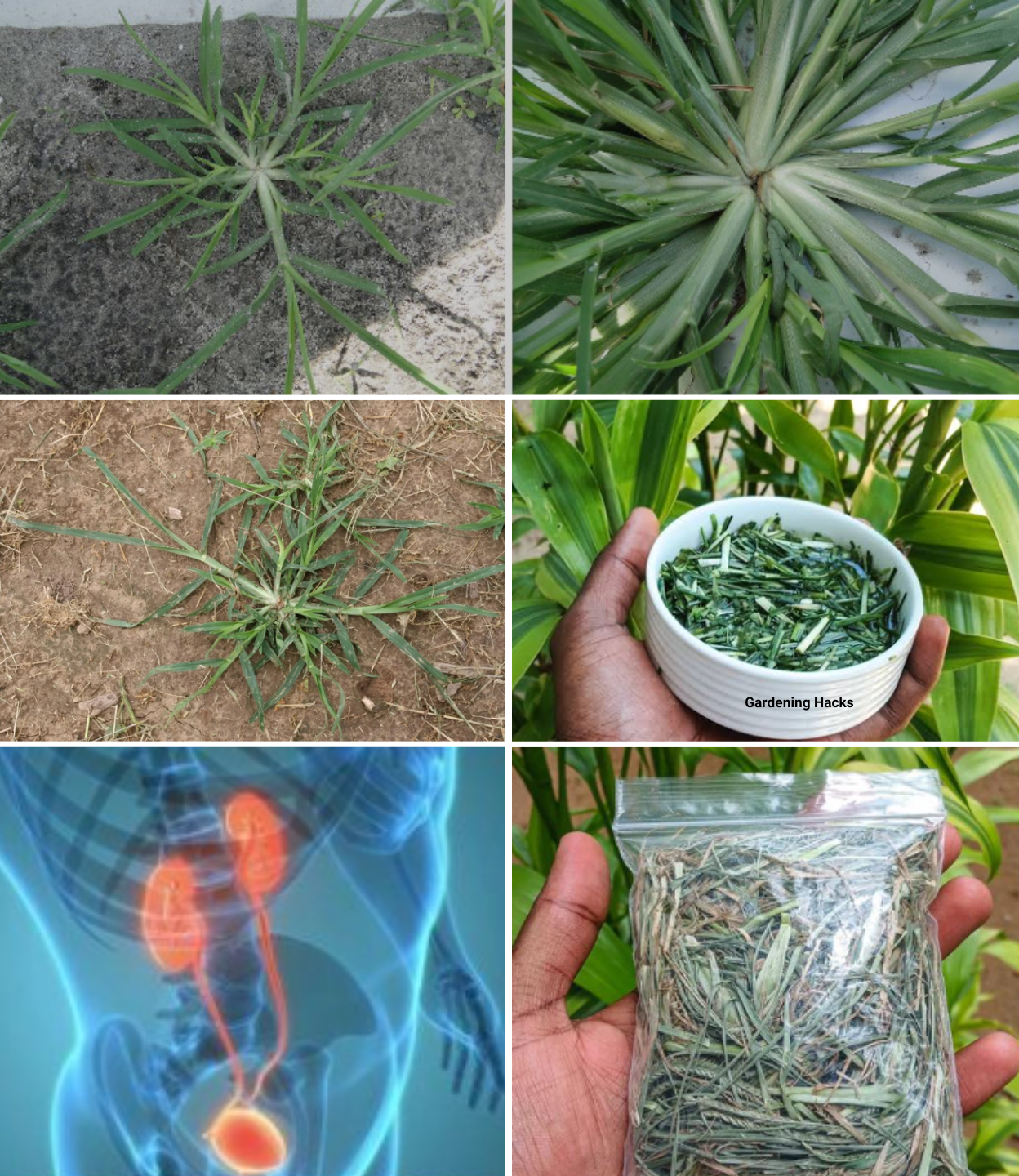
Goose grass (Galium aparine), also known as cleavers, is a humble, often overlooked herb that grows abundantly in hedgerows, gardens, and open fields. With its characteristic sticky stems and small white flowers, this plant has been used in traditional medicine for centuries. In recent years, goose grass has been rediscovered for its potential health benefits, offering natural remedies for a variety of ailments. This article explores the therapeutic uses of goose grass and provides practical advice on how to harness its healing power.
Identifying Goose Grass
Goose grass is easily recognized by its long, slender stems covered in fine, hooked hairs that allow it to “cling” to clothing, animals, and other plants. Its leaves grow in whorls of 6-8 around the stem, and it produces tiny, star-shaped white flowers. The plant thrives in moist, shady areas and often forms dense mats on the ground. Because it’s common in both rural and urban areas, goose grass is readily available for foraging.
Nutritional Profile and Medicinal Properties
Goose grass is packed with beneficial compounds, including:
- Flavonoids: Known for their antioxidant properties, these compounds help protect cells from oxidative stress.
- Tannins: Astringent substances that can tighten tissues, reduce inflammation, and promote wound healing.
- Vitamin C: This immune-boosting nutrient helps maintain healthy skin, promote healing, and support overall health.
- Coumarins: Natural blood thinners that may support cardiovascular health by improving circulation.
In traditional herbal medicine, goose grass has been used to treat a range of health conditions due to its detoxifying, diuretic, and anti-inflammatory properties.
Therapeutic Uses of Goose Grass
- Lymphatic System Support
Goose grass is renowned for its ability to support the lymphatic system. The lymphatic system is responsible for detoxifying the body and transporting lymph, a fluid that carries immune cells throughout the body. Goose grass is believed to help stimulate lymphatic drainage, making it useful in conditions like lymphedema, swollen glands, and detoxification programs.
- Diuretic Properties
As a mild diuretic, goose grass helps to increase urine production, promoting the elimination of toxins and excess fluids from the body. This makes it useful in cases of water retention, urinary tract infections (UTIs), and kidney stones.
- Skin Health
Goose grass can be used externally to support healthy skin. Its astringent and anti-inflammatory properties make it useful for treating skin conditions such as eczema, psoriasis, acne, and minor wounds. It can also soothe burns and insect bites, reducing inflammation and promoting faster healing.
- Digestive Health
Traditionally, goose grass has been used to improve digestive health. Its mild laxative effect can help relieve constipation, while its soothing properties may reduce irritation in the gastrointestinal tract. It has also been used to ease symptoms of indigestion and irritable bowel syndrome (IBS).
- Respiratory Conditions
Goose grass has a history of use in treating respiratory conditions like colds, coughs, and bronchitis. Its ability to soothe inflamed tissues and promote the elimination of mucus makes it a valuable herb for respiratory support.
How to Harvest and Prepare Goose Grass
Harvesting
The best time to harvest goose grass is in the spring and early summer when the plant is young and tender. Using a pair of scissors or shears, cut the stems just above ground level. Be sure to wear gloves, as the plant’s tiny hooks can cause skin irritation.
Preparing Goose Grass
Once harvested, goose grass can be used fresh or dried for later use. Here are a few ways to prepare the herb:
- Herbal Tea
- Ingredients: Fresh or dried goose grass, boiling water.
- Instructions: Place a handful of fresh goose grass (or 1-2 teaspoons of dried herb) in a cup of boiling water. Allow it to steep for 10-15 minutes before straining. Drink 1-2 cups per day to promote lymphatic drainage and detoxification.
- Infused Oil
- Ingredients: Fresh goose grass, carrier oil (such as olive or coconut oil).
- Instructions: Fill a jar with fresh goose grass and cover it with your chosen carrier oil. Seal the jar and leave it in a sunny spot for 2-4 weeks, shaking it daily. Afterward, strain the oil and store it in a dark bottle. This infused oil can be applied to the skin to soothe irritation, burns, and rashes.
- Poultice
- Ingredients: Fresh goose grass.
- Instructions: Crush or mash fresh goose grass leaves into a paste and apply directly to the affected area for conditions like cuts, insect bites, or inflamed skin. Leave on for 10-15 minutes before rinsing.
- Tincture
- Ingredients: Fresh goose grass, high-proof alcohol (such as vodka).
- Instructions: Place fresh goose grass in a glass jar and cover with alcohol. Seal the jar and store it in a cool, dark place for 4-6 weeks, shaking it occasionally. Strain the mixture and store it in a dark glass bottle. Take 1-2 ml of tincture diluted in water, up to three times per day.
Precautions and Considerations
While goose grass is generally safe for most people, it’s important to consult with a healthcare professional before using it, especially if you are pregnant, breastfeeding, or taking any medications. Its diuretic properties may increase urination, so it’s important to stay hydrated while using the herb. Additionally, those with sensitive skin should exercise caution when applying goose grass topically, as its tiny hooks can cause irritation.
Conclusion
Goose grass, with its rich history and medicinal properties, is a valuable herb that can be easily incorporated into your wellness routine. Whether you’re looking to support your lymphatic system, soothe irritated skin, or improve your digestive health, this versatile plant offers a range of therapeutic benefits. By learning how to properly harvest and prepare goose grass, you can harness its healing power and bring a natural remedy into your home.

You must be logged in to post a comment Login