Fruits
Stop Buying Figs: Here’s How You Can Grow a Fig Tree in a Small Pot at Home
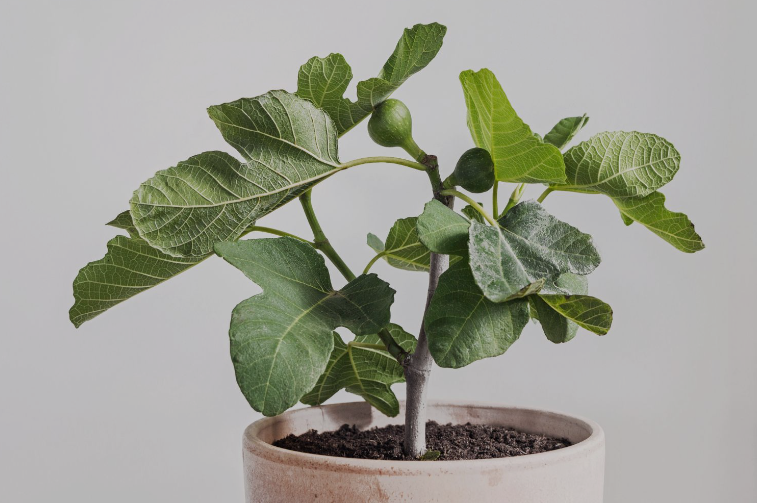
Figs, with their sweet flavor and lush texture, have been adored for thousands of years. However, store-bought figs can be expensive, less fresh, and may lack the delightful taste that freshly picked fruit offers. But here’s a secret: you can easily grow a fig tree at home, even in a small pot! Whether you have a compact balcony or a tiny urban garden, figs are remarkably adaptable to container gardening. Here’s how you can grow your own fig tree in a small pot and enjoy delicious, homegrown figs.
1. Choosing the Right Fig Variety
Fig trees are hardy and thrive in various climates, but when growing them in a pot, it’s best to choose a variety that is well-suited for container growth. Some of the most popular fig varieties for small spaces include:
- Petite Negra: This variety is dwarf in nature and perfect for small pots. It produces large, sweet figs.
- Chicago Hardy: A cold-tolerant variety that does well in pots and can survive frost if protected.
- Brown Turkey: Known for its abundant fruiting and adaptability to different climates, it’s a reliable choice for container gardening.
2. Choosing the Right Pot
While fig trees can be grown in small pots, they need enough space for their roots to spread and thrive. A pot that is at least 18 inches in diameter and equally deep is ideal for starting. It’s important to ensure the pot has drainage holes, as fig trees do not like sitting in waterlogged soil, which can lead to root rot.
- Tip: Start with a smaller pot, and as the tree grows, transfer it to a larger one. This prevents root-bound conditions and encourages healthy growth.
3. The Perfect Soil Mix
Fig trees need well-draining soil to grow healthily. A loamy soil mix with added organic matter works best. You can either buy a pre-mixed potting soil designed for fruit trees or make your own mix using equal parts of:
- Potting soil
- Organic compost
- Perlite or sand (for better drainage)
Add some mulch or bark chips on top to retain moisture and keep the soil cool.
4. Planting Your Fig Tree
Once you have the right variety, pot, and soil mix, it’s time to plant! Here’s how:
- Fill the pot with your soil mix, leaving enough space at the top for the root ball.
- Place the fig tree in the center, ensuring that the roots are gently spread out. The root crown (where the roots meet the trunk) should sit just above the soil line.
- Water thoroughly to help settle the soil around the roots.
5. Sunlight and Watering Needs
Figs thrive in full sun. Place your potted fig tree in a location that gets at least 6-8 hours of sunlight per day. Balconies, sunny patios, or a well-lit indoor spot next to a window will work wonders.
As for watering, fig trees in pots require regular watering, but be careful not to overdo it. Water deeply when the top 1-2 inches of soil feels dry. During hot summer months, you might need to water more frequently, but in cooler weather, you can reduce the frequency.
6. Fertilizing and Pruning
Fig trees in pots will benefit from a balanced fertilizer during the growing season. Feed your tree every 4-6 weeks with a fertilizer high in nitrogen to support healthy foliage and fruit development. However, once the fruit starts developing, switch to a phosphorus-rich fertilizer to enhance fruit production.
To keep your fig tree compact and promote better air circulation, regular pruning is essential. Prune back the branches in late winter or early spring before new growth begins. This will encourage a bushier shape and more fruiting wood.
7. Protecting Your Fig Tree in Winter
Fig trees are typically hardy, but if you live in a colder climate, you may need to provide extra protection during the winter. For trees in pots:
- Move the tree indoors or to a sheltered spot like a garage during freezing temperatures.
- If moving indoors isn’t an option, wrap the tree in burlap or frost blankets to protect it from harsh conditions.
- Reduce watering during winter as the tree will enter a dormant stage.
8. Harvesting Your Homegrown Figs
Your patience will be rewarded with luscious, homegrown figs! Figs are ready to harvest when they feel soft to the touch and their skin begins to crack. Gently twist the fruit off the branch or use pruning shears to avoid damaging the tree. Enjoy them fresh, or use them in jams, desserts, or salads!
Final Thoughts
Growing a fig tree in a small pot at home is surprisingly easy and rewarding. With the right variety, proper care, and a little patience, you’ll have your own fresh figs to enjoy in no time. Plus, there’s something deeply satisfying about plucking a sun-ripened fig straight from your own tree. So stop buying figs from the store, and start growing your own delightful fig tree today!

You must be logged in to post a comment Login