Plant Care, Soil & Tips
10 Houseplants That Oxygenate and Purify Your Home
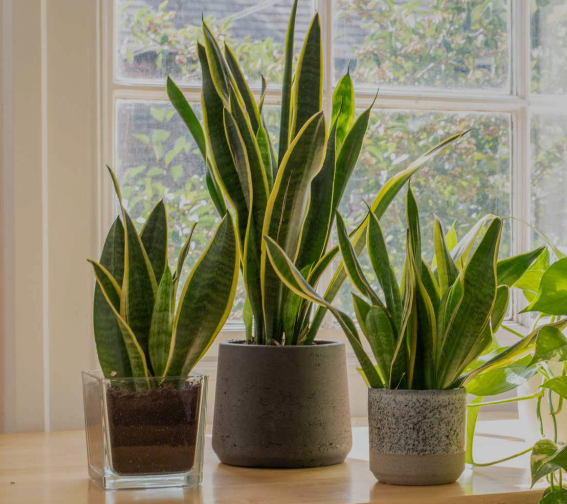
Indoor plants don’t just add beauty and tranquility to your living space; they can also improve air quality, increase oxygen levels, and remove toxins. NASA’s Clean Air Study has confirmed that certain houseplants are highly effective in filtering harmful chemicals and enhancing indoor air quality. If you’re looking to improve the air you breathe, here are ten oxygenating and purifying houseplants you should consider for your home.
1. Snake Plant (Sansevieria trifasciata)
The snake plant, also known as the mother-in-law’s tongue, is one of the most efficient air-purifying plants. It’s highly effective at removing toxins such as formaldehyde, xylene, and benzene from the air. This hardy plant releases oxygen at night, making it a great option for bedrooms. It requires little maintenance and can thrive in low light.
2. Peace Lily (Spathiphyllum)
Peace lilies are not only elegant and beautiful, but they also help cleanse the air of pollutants like ammonia, formaldehyde, and benzene. They thrive in low-light conditions and are easy to care for, making them an ideal choice for homes or offices. Their ability to increase humidity is beneficial for reducing airborne microbes and mold spores.
3. Spider Plant (Chlorophytum comosum)
Spider plants are one of the most adaptable houseplants and are excellent at improving air quality. They efficiently remove carbon monoxide, formaldehyde, and xylene from indoor air. This plant is particularly effective at oxygenating small spaces and is perfect for hanging baskets, offering a beautiful cascading effect.
4. Aloe Vera
Aloe vera is not just for soothing burns; it’s also a powerful air purifier. This succulent is known for removing formaldehyde and benzene from the air, which can be found in household cleaners and paints. Aloe vera thrives in bright light and can also release oxygen at night, improving air quality in your bedroom.
5. Boston Fern (Nephrolepis exaltata)
The Boston fern is a natural air humidifier that removes formaldehyde and xylene. It’s particularly beneficial in spaces where air tends to get dry, such as homes with central heating. Boston ferns prefer indirect light and humid conditions, making them perfect for bathrooms and kitchens.
6. Areca Palm (Dypsis lutescens)
Also known as the butterfly palm, the Areca palm is one of the best houseplants for improving indoor air. It effectively filters out toxins like formaldehyde and xylene and can act as a humidifier, making it ideal for dry climates. Its lush green fronds bring a tropical feel to any space.
7. Rubber Plant (Ficus elastica)
The rubber plant is a robust and easy-to-care-for houseplant that’s great at removing pollutants like formaldehyde from the air. It thrives in moderate light and is known for its large, shiny leaves that not only purify the air but also add a bold touch to any room. This plant is perfect for offices and living rooms.
8. English Ivy (Hedera helix)
English ivy is not only decorative but also a powerful air purifier. It is particularly effective at removing mold spores from the air, making it ideal for homes with mold or dust issues. English ivy can be grown in hanging baskets or as a climbing plant, and it thrives in indirect light.
9. Dracaena (Dracaena spp.)
There are several varieties of Dracaena, all of which are excellent at removing toxins such as formaldehyde, benzene, trichloroethylene, and xylene. Dracaena plants are low-maintenance and come in many shapes and sizes, making them suitable for different interior styles. They thrive in low to medium light conditions.
10. Pothos (Epipremnum aureum)
Pothos, also known as devil’s ivy, is one of the easiest houseplants to grow and care for. It excels at filtering formaldehyde, benzene, and toluene from the air. Its trailing vines make it a versatile plant for hanging baskets or pots on shelves. Pothos can survive in low light and doesn’t need frequent watering, making it ideal for beginners.
Tips for Maintaining Healthy Houseplants
- Light: Each plant has different light requirements, so make sure you understand the needs of each type. Most air-purifying plants do well in indirect light.
- Watering: Overwatering is a common mistake. Let the soil dry slightly between watering, especially for succulents like aloe vera.
- Air Circulation: Good airflow helps plants grow healthier, so place them in areas with ventilation.
- Humidity: Some plants, like ferns, thrive in high-humidity areas like bathrooms, while others, such as the snake plant, can tolerate drier conditions.
Conclusion
Incorporating these houseplants into your living space can significantly improve the air quality and enhance the overall atmosphere of your home. Not only do they oxygenate and purify your space, but they also add a touch of nature and beauty to your surroundings. With their minimal care requirements and powerful air-purifying abilities, these plants are a perfect way to create a healthier, more serene home environment.

You must be logged in to post a comment Login