Plants
Crabgrass: A Common Backyard Plant with Surprising Health Benefits
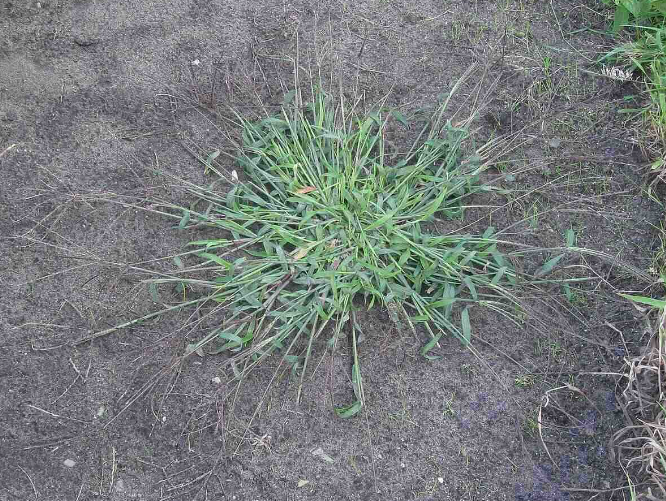
Crabgrass (Digitaria spp.) is often seen as a nuisance in lawns and gardens. Known for its fast-spreading nature and resilience, it can quickly take over cultivated landscapes, earning a reputation as a stubborn weed. But beneath this pesky exterior lies a surprising wealth of health benefits that have been utilized for centuries in traditional medicine. Let’s explore the untapped potential of this common plant and how it may offer more than just a headache for gardeners.
What is Crabgrass?
Crabgrass is a warm-season annual grass, thriving in hot, dry conditions. It grows close to the ground, with leaves that spread outward like the legs of a crab—hence its name. Native to tropical and subtropical regions, crabgrass is incredibly adaptable and can be found across most temperate parts of the world.
Despite its reputation as an invasive species, crabgrass has historically been used as a food source and a medicinal plant. Various species of crabgrass, particularly Digitaria sanguinalis and Digitaria ischaemum, have been cultivated for grains in Africa and Asia, with their seeds used to make flour and porridge.
Nutritional Benefits of Crabgrass Seeds
While crabgrass seeds may not be a common staple today, they offer surprising nutritional value. The seeds are rich in protein, fiber, and essential minerals such as calcium and magnesium. They also contain beneficial antioxidants that can help combat oxidative stress, a key factor in aging and chronic disease development.
In parts of Africa, Digitaria exilis, also known as “fonio,” is still consumed as a dietary staple. Fonio is highly valued for its easy digestion and nutritional density, making it a popular choice in regions where malnutrition is a concern. Though not all crabgrass species are harvested for food, they share similar nutritional properties that could be utilized more broadly.
Medicinal Properties of Crabgrass
Historically, crabgrass has been used in traditional herbal medicine for various purposes. Here are some of the health benefits linked to different parts of the plant:
- Anti-inflammatory properties
Extracts from crabgrass have shown potential in reducing inflammation. Traditional healers have used the plant to treat inflammation-related conditions like arthritis and skin irritations. Modern research supports these claims, with studies indicating that certain compounds in crabgrass may have anti-inflammatory effects. - Digestive aid
In folk medicine, crabgrass has been used as a natural remedy for digestive issues. Its seeds and leaves are believed to help alleviate indigestion, bloating, and constipation. The fiber in crabgrass seeds aids in promoting healthy digestion, while the plant’s mild diuretic properties help flush out toxins from the body. - Antimicrobial effects
Recent studies suggest that crabgrass contains antimicrobial compounds that could fight against bacterial and fungal infections. This aligns with traditional uses of the plant for wound healing and treating skin infections. More research is needed to fully understand its potential in this area, but the early results are promising. - Blood sugar regulation
Some studies have explored the potential of crabgrass to regulate blood sugar levels, making it a possible aid for individuals with diabetes or those at risk. The plant’s high fiber content can help slow the absorption of sugar into the bloodstream, preventing spikes in blood sugar levels.
How to Use Crabgrass
If you’re interested in experimenting with crabgrass as part of your diet or health regimen, there are several ways to incorporate it:
- Seeds: Like quinoa or millet, crabgrass seeds can be harvested, dried, and ground into flour or cooked as a grain. This flour can be used in gluten-free baking or mixed with other grains to add nutritional diversity to meals.
- Infusions: Crabgrass leaves and stems can be used to make teas or infusions that may help with digestive issues or inflammation.
- Topical applications: Crabgrass-infused oils or salves could be applied to the skin for minor wounds or to reduce inflammation.
Crabgrass: A Sustainable Food Source?
In addition to its health benefits, crabgrass may hold potential as a sustainable crop in areas where water scarcity or poor soil quality limits the growth of more common grains. Its drought resistance and adaptability to various climates make it an attractive option for regions facing the challenges of climate change. In fact, researchers are increasingly looking at underutilized crops like crabgrass as future food sources that can help address global food security.
Conclusion
Crabgrass may be a bane to gardeners, but it also holds a wealth of surprising health benefits that make it more than just an unwelcome backyard invader. From its nutritional seeds to its medicinal properties, crabgrass has the potential to play a larger role in both traditional and modern wellness practices. Perhaps it’s time to give this common weed a second look—not just as a plant to pull, but as a resource to cultivate.

You must be logged in to post a comment Login