Fruits
Forget Buying Strawberries: Grow Them at Home with This Easy Step-by-Step Guide
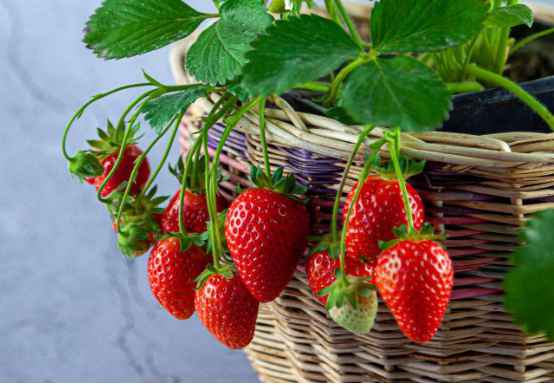
Are you tired of tasteless, expensive strawberries from the store? Why not grow your own at home? Not only will you enjoy delicious, fresh strawberries right from your garden, but you’ll also experience the satisfaction of growing your own food. Don’t worry if you’re new to gardening – strawberries are surprisingly easy to grow, even for beginners. Here’s a simple guide to get you started:
Step 1: Choose the Right Variety
Before you start planting, it’s important to choose the right type of strawberry for your climate and garden space. There are three main types of strawberries: June-bearing, everbearing, and day-neutral. June-bearing strawberries produce one large crop in late spring to early summer. Everbearing strawberries produce two to three crops throughout the growing season, and day-neutral strawberries produce fruit consistently from spring to fall.
Step 2: Prepare the Planting Site
Strawberries thrive in well-drained soil with plenty of sunlight. Choose a spot in your garden that receives at least 6-8 hours of sunlight per day. Prepare the soil by digging in plenty of organic matter, such as compost or aged manure, to improve fertility and drainage.
Step 3: Planting Strawberries
Spring or fall is the best time to plant strawberries. Here’s how to do it:
- Spacing: Plant strawberries about 12-18 inches apart in rows that are 2-3 feet apart.
- Depth: Dig a hole deep and wide enough to accommodate the roots of the plant. Spread the roots out and ensure the crown (where the roots meet the leaves) is level with the soil surface.
- Watering: Water the newly planted strawberries thoroughly to settle the soil around the roots.
Step 4: Care and Maintenance
Strawberries are relatively low-maintenance, but they do require some care to thrive:
- Watering: Keep the soil consistently moist, especially during dry spells and when the plants are setting fruit.
- Weeding: Regularly remove weeds to reduce competition for nutrients.
- Mulching: Mulch around the plants with straw or shredded leaves to suppress weeds, retain moisture, and keep the berries clean.
Step 5: Harvesting
Patience pays off! Depending on the variety, you’ll start to see ripe strawberries about 4-6 weeks after flowering. Harvest berries when they are fully red, plump, and have a sweet fragrance. Simply twist or cut the berries from the plant, being careful not to damage the delicate fruits.
Step 6: Enjoy Your Homegrown Strawberries!
There’s nothing quite like the taste of freshly picked strawberries from your own garden. Enjoy them right away, use them in desserts, or preserve them by freezing or making jam.
Bonus Tips:
- Pests and Diseases: Keep an eye out for pests like slugs and birds, and protect your plants with netting if necessary. Diseases can be minimized by ensuring good air circulation around plants and avoiding overhead watering.
- Renewal: After a few years, strawberry plants may become less productive. Renew your strawberry patch every 3-4 years by replacing old plants with new ones propagated from runners (baby plants).
By following these simple steps, you can grow delicious strawberries in your own backyard or even on a sunny balcony. Not only will you save money and enjoy better-tasting fruit, but you’ll also experience the joy and satisfaction of growing your own food. Happy gardening and happy strawberry growing!

You must be logged in to post a comment Login