Growing Vegetables
Top Reasons Your Tomatoes Aren’t Ripening and How to Fix Them
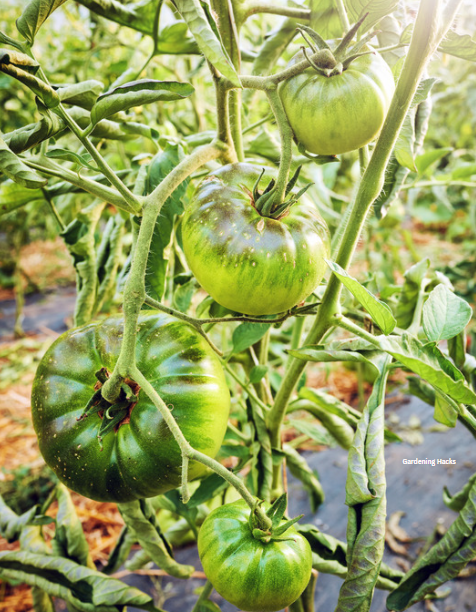
Tomatoes are one of the most rewarding crops to grow, but it can be frustrating when they refuse to ripen despite your efforts. Several factors can delay or prevent tomatoes from reaching that vibrant red (or yellow, orange, or purple) stage. Understanding these reasons and knowing how to address them can significantly improve your tomato harvest. Here are some common issues and their solutions:
1. Temperature Extremes
Issue: Tomatoes are sensitive to temperature fluctuations. If temperatures are too high or too low, the ripening process can slow down or halt altogether.
Solution: Ensure your tomatoes are planted in an area that receives full sun, ideally with temperatures between 70°F to 85°F (21°C to 29°C) during the day. Use mulch around the plants to regulate soil temperature and keep the roots cool in hot weather. In cooler climates, consider using row covers or cloches to protect plants from cold snaps.
2. Lack of Sunlight
Issue: Tomatoes need plenty of sunlight to ripen properly. Insufficient sunlight can lead to slow ripening or green fruits that fail to mature.
Solution: Choose a location for planting tomatoes where they can receive at least 6-8 hours of direct sunlight per day. Trim back any nearby foliage that may be shading the plants, and stake or cage tomatoes to ensure maximum exposure to sunlight.
3. Improper Watering Practices
Issue: Inconsistent watering can cause stress to tomato plants, leading to fruit that doesn’t ripen evenly or fully.
Solution: Water tomatoes deeply and evenly, aiming for about 1-2 inches per week, either through rainfall or irrigation. Avoid overhead watering, as this can promote fungal diseases. Use a soaker hose or drip irrigation to deliver water directly to the soil around the plants.
4. Nutrient Deficiencies
Issue: Tomatoes require specific nutrients, particularly potassium, to ripen properly. A deficiency in nutrients can result in slow or incomplete ripening.
Solution: Prior to planting, amend the soil with compost or well-rotted manure to ensure it is rich in organic matter. During the growing season, use a balanced fertilizer or one specifically formulated for tomatoes to provide necessary nutrients. Ensure the soil pH is around 6.0 to 6.8 for optimal nutrient uptake.
5. Variety Selection
Issue: Some tomato varieties naturally take longer to ripen than others. If you’ve chosen a late-season variety or one that is not well-suited to your climate, ripening may be delayed.
Solution: Choose tomato varieties that are well-suited to your growing zone and desired harvest time. Early ripening varieties or determinate types tend to mature faster and may be more suitable for shorter growing seasons.
6. Pests and Diseases
Issue: Pest infestations or diseases can stress tomato plants, diverting energy away from ripening fruit.
Solution: Monitor plants regularly for signs of pests such as aphids, tomato hornworms, or diseases like blight. Use organic pest control methods whenever possible, and promptly remove and destroy affected plant parts to prevent further spread.
7. Overcrowding and Pruning
Issue: Overcrowded plants can compete for nutrients and sunlight, leading to delayed ripening. Additionally, improper pruning can hinder air circulation and light penetration.
Solution: Space tomato plants according to their recommended distances to ensure adequate airflow and sunlight penetration. Prune tomatoes by removing suckers (side shoots) and lower leaves regularly to improve air circulation and focus energy on ripening fruit.
By addressing these common issues, you can encourage your tomatoes to ripen beautifully and enjoy a bountiful harvest throughout the growing season. With proper care and attention, you’ll be savoring juicy, sun-ripened tomatoes in no time!

You must be logged in to post a comment Login