Plants
Plant These 12 Plants Once and Have Them Self-Seed All Over Your Yard
Imagine a garden where beauty and abundance effortlessly thrive year after year with minimal effort from you. Creating such a low-maintenance paradise is not just a dream but a practical reality with the right selection of self-seeding plants. These plants, once established, reproduce and spread their seeds naturally, creating new growth throughout your garden without needing much intervention. Here’s a guide to twelve such plants that can transform your yard into a self-sustaining haven of color and life.
**1. ** California Poppy: With its vibrant orange blooms, the California Poppy adds a cheerful splash of color. Once planted, it readily self-seeds in sunny spots, filling bare patches with its delicate flowers.
**2. ** Cosmos: Cosmos is beloved for its daisy-like flowers that come in shades of pink, white, and purple. It self-seeds readily, attracting pollinators and adding a whimsical charm to any garden.
**3. ** Forget-Me-Not: True to its name, the Forget-Me-Not produces clusters of tiny blue flowers that appear year after year. It thrives in moist, shady areas and spreads quickly once established.
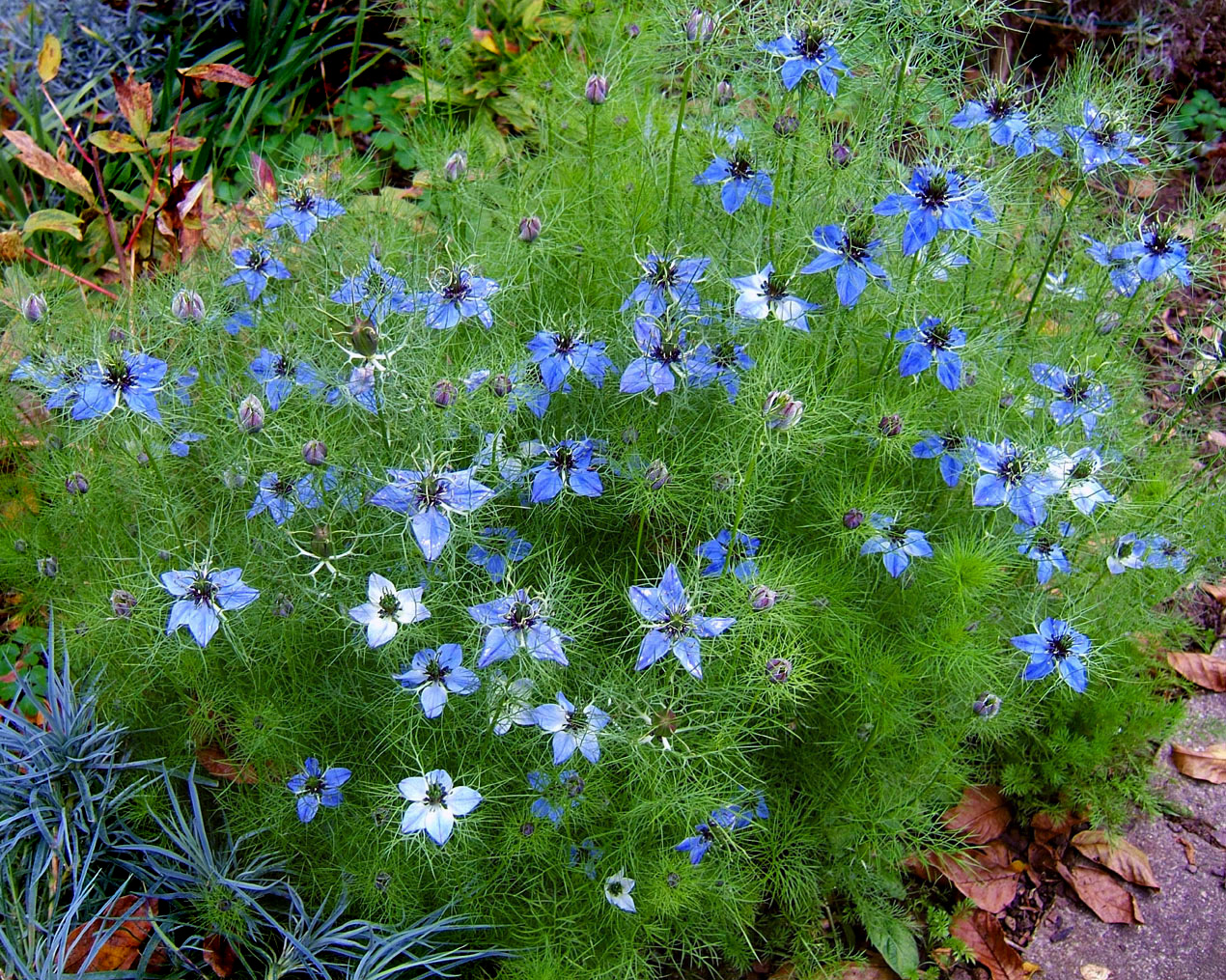
**4. ** Nigella (Love-in-a-Mist): Nigella is known for its unique, airy foliage and delicate blue flowers. It self-seeds generously, naturalizing in garden borders and adding a touch of elegance.
**5. ** Bachelor’s Button: Also known as cornflower, Bachelor’s Button features striking blue, pink, or white blooms atop slender stems. It readily self-seeds in sunny locations, attracting bees and butterflies.
**6. ** Larkspur: Larkspur offers tall spikes of blue, purple, pink, or white flowers that add vertical interest to gardens. Once established, it self-seeds profusely, making it a favorite for cottage-style gardens.
**7. ** Black-Eyed Susan: A classic wildflower, Black-Eyed Susan sports cheerful yellow or orange daisy-like blooms. It thrives in sunny spots and self-seeds reliably, brightening up borders and meadows.
**8. ** Foxglove: Foxglove’s tall spires of tubular flowers come in shades of pink, purple, white, and yellow. It self-seeds in partly shady areas, creating dramatic vertical accents in garden beds.
**9. ** Borage: Borage is prized not only for its brilliant blue, star-shaped flowers but also for its edible leaves and cucumber-like flavor. It readily self-seeds in sunny spots, attracting pollinators like bees.
**10. ** Sweet Alyssum: Sweet Alyssum forms low mounds covered in clusters of tiny, fragrant white, pink, or purple flowers. It self-seeds profusely, spilling over edges of containers or filling gaps in sunny borders.
**11. ** Verbena: Verbena offers clusters of tiny flowers in shades of purple, pink, white, and red. It thrives in sunny locations and self-seeds readily, adding a burst of color to rock gardens or hanging baskets.
**12. ** Sunflower: Sunflowers are known for their sunny disposition and towering heights. They self-seed easily in sunny spots, attracting birds and providing a striking backdrop in any garden.
By choosing these self-seeding plants, you not only ensure a beautiful garden year after year but also support local wildlife with valuable food sources and habitats. Remember to allow some plants to go to seed at the end of each season to encourage natural reseeding. With a little initial effort and careful planning, your garden will soon become a self-sustaining haven of natural beauty. Enjoy the effortless beauty and ecological benefits these plants bring as they transform your yard into a flourishing oasis.

You must be logged in to post a comment Login