Plants
The Importance of Deadheading Hydrangeas: What Most Gardeners Don’t Know
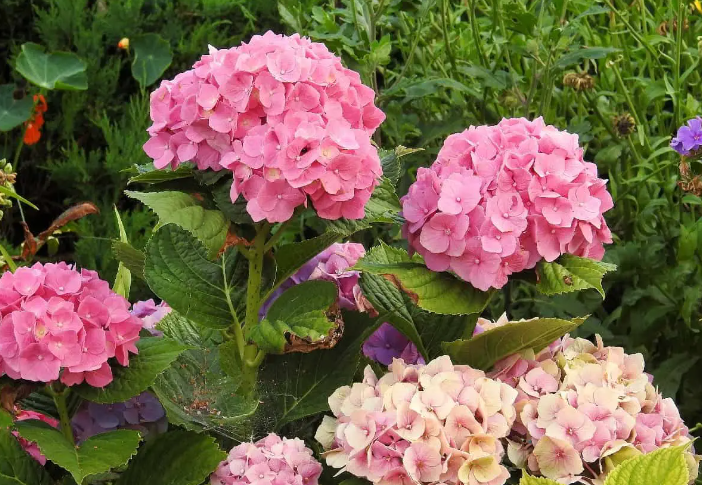
Hydrangeas are a beloved staple in many gardens, renowned for their lush, vibrant blooms and versatility in landscape design. While many gardeners are familiar with these beautiful plants, not everyone realizes the critical role that deadheading plays in maintaining their health and beauty. Here’s why deadheading your hydrangeas is essential and how to do it effectively.
What is Deadheading?
Deadheading is the process of removing spent flowers from a plant. This simple gardening task can significantly impact the overall health and appearance of your hydrangeas. While it might seem like an extra chore, deadheading offers numerous benefits that make it well worth the effort.
The Benefits of Deadheading Hydrangeas
- Promotes New Blooms
One of the primary reasons to deadhead hydrangeas is to encourage the growth of new flowers. When spent blooms are left on the plant, they can signal the hydrangea to slow down its flowering process. By removing these dead blooms, you stimulate the plant to produce new flowers, ensuring a longer and more vibrant blooming season.
- Prevents Disease and Pests
Old, decaying flowers can attract pests and foster diseases that may harm your hydrangea. Deadheading helps maintain plant hygiene by removing these potential breeding grounds, reducing the risk of infestations and infections.
- Enhances Aesthetic Appeal
A hydrangea bush covered in withered flowers can detract from the beauty of your garden. Deadheading keeps your hydrangeas looking fresh and vibrant, enhancing the overall aesthetic of your landscape. It also allows the plant to redirect its energy towards healthy growth and new blooms.
- Improves Air Circulation
Removing dead flowers can improve air circulation around the plant, which is essential for preventing fungal diseases. Better airflow helps keep the foliage dry and reduces the likelihood of moisture-related problems.
How to Deadhead Hydrangeas
Deadheading hydrangeas is a straightforward process, but it’s important to do it correctly to avoid damaging the plant.
- Identify Spent Blooms
Look for flowers that have faded or turned brown. These are the blooms that need to be removed.
- Use Clean, Sharp Tools
Use a pair of clean, sharp pruning shears or scissors to make a clean cut. This helps prevent the spread of disease and ensures a precise cut that heals quickly.
- Cut at the Right Spot
Make your cut just above the first set of healthy leaves or buds below the spent bloom. This encourages new growth and prevents leaving a stub that could become diseased.
- Dispose of the Cuttings
Collect and dispose of the dead flowers properly. Leaving them on the ground around the plant can invite pests and diseases.
When to Deadhead
The timing of deadheading can vary depending on the type of hydrangea you have. Some varieties bloom on old wood, while others bloom on new wood. Understanding the specific needs of your hydrangea variety will help you determine the best time to deadhead.
- Hydrangeas that Bloom on Old Wood: For these varieties, deadheading should be done immediately after the blooms fade, typically in late summer or early fall. This gives the plant time to set buds for the next season.
- Hydrangeas that Bloom on New Wood: These can be deadheaded throughout the blooming season. Regular deadheading encourages continuous flowering and keeps the plant looking tidy.
Conclusion
Deadheading hydrangeas is a simple yet highly effective way to maintain the health and beauty of these popular garden plants. By promoting new blooms, preventing disease, enhancing appearance, and improving air circulation, deadheading ensures your hydrangeas remain a stunning focal point in your garden. So, the next time you admire your hydrangeas, remember the importance of this essential gardening task and take a few moments to deadhead – your plants will thank you!







You must be logged in to post a comment Login