Growing Vegetables
Why Tomato Plants Need Cages: The Essential Guide
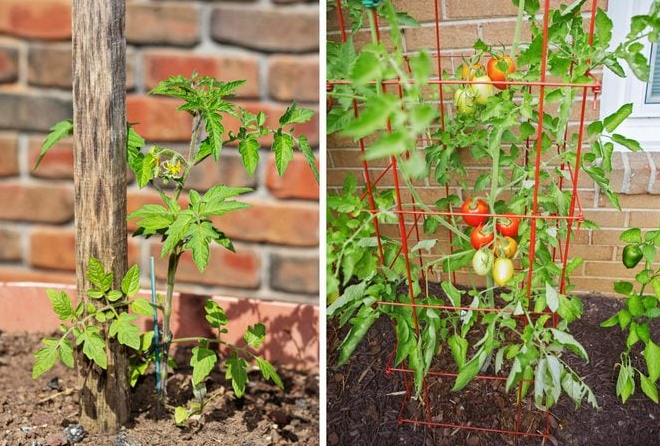
Tomatoes are a favorite among home gardeners for their versatility, flavor, and ease of cultivation. Whether you’re growing them in a backyard garden or on a balcony, providing adequate support for tomato plants is crucial for their health and productivity. This is where tomato cages come into play, offering a simple yet effective solution to support these prolific plants.
The Importance of Tomato Cages
- Support and Stability: Tomato plants have a tendency to sprawl as they grow, especially when laden with fruit. Without proper support, they can bend or even break under their own weight. Cages provide structural support, keeping the plant upright and preventing damage.
- Air Circulation and Disease Prevention: Good air circulation around tomato plants is essential to prevent fungal diseases, such as blight, which thrive in moist, crowded conditions. Cages keep the plants off the ground, allowing air to flow freely around the foliage and fruit, reducing the risk of disease.
- Easy Maintenance and Harvesting: Caged tomato plants are easier to maintain and harvest. Pruning, watering, and applying fertilizers or pesticides become more manageable tasks when the plant is neatly contained within a cage. Harvesting ripe tomatoes is also simpler as the fruit is more accessible and less likely to get damaged.
Choosing the Right Tomato Cage
When selecting tomato cages, consider the following factors:
- Material: Cages are typically made from metal, wood, or plastic. Metal cages are durable and offer strong support, while plastic and wooden options are lightweight and may need replacing more frequently.
- Size and Height: Choose cages that are tall enough to accommodate the full height of your tomato variety, including the weight of the fruit. A cage that is at least 4 to 5 feet tall is suitable for most indeterminate tomato varieties.
- Sturdiness: Ensure the cage is sturdy enough to support the weight of a mature tomato plant. Look for cages with thick gauge wire or additional supports if you are growing large, heavy tomatoes.
Tips for Using Tomato Cages Effectively
- Install Early: Set up cages around young tomato plants shortly after transplanting them into the garden. This allows the plants to grow up through the cage as they develop.
- Secure the Cage: Anchor the cage firmly into the ground to prevent it from toppling over due to wind or the weight of the plant.
- Monitor Growth: Regularly check the plants to ensure they are growing properly within the cage. Adjust any branches that are starting to lean outside the cage to maintain upright growth.
- Prune as Needed: Remove any suckers and excess foliage to promote better airflow and prevent overcrowding within the cage.
Conclusion
Tomato cages are a practical and essential tool for any gardener looking to cultivate healthy and productive tomato plants. By providing support, improving air circulation, and simplifying maintenance tasks, cages contribute significantly to the success of your tomato harvest. Whether you’re a beginner or an experienced gardener, investing in quality tomato cages will undoubtedly yield rewarding results in your garden.
Next time you plan your tomato garden, remember: a sturdy cage is not just an accessory but a key ingredient to growing robust, disease-resistant tomato plants that will provide you with a bountiful harvest throughout the season.

You must be logged in to post a comment Login