Growing Vegetables
Accelerating the Growth of Tomato Seedlings: A Natural Approach to Gardening
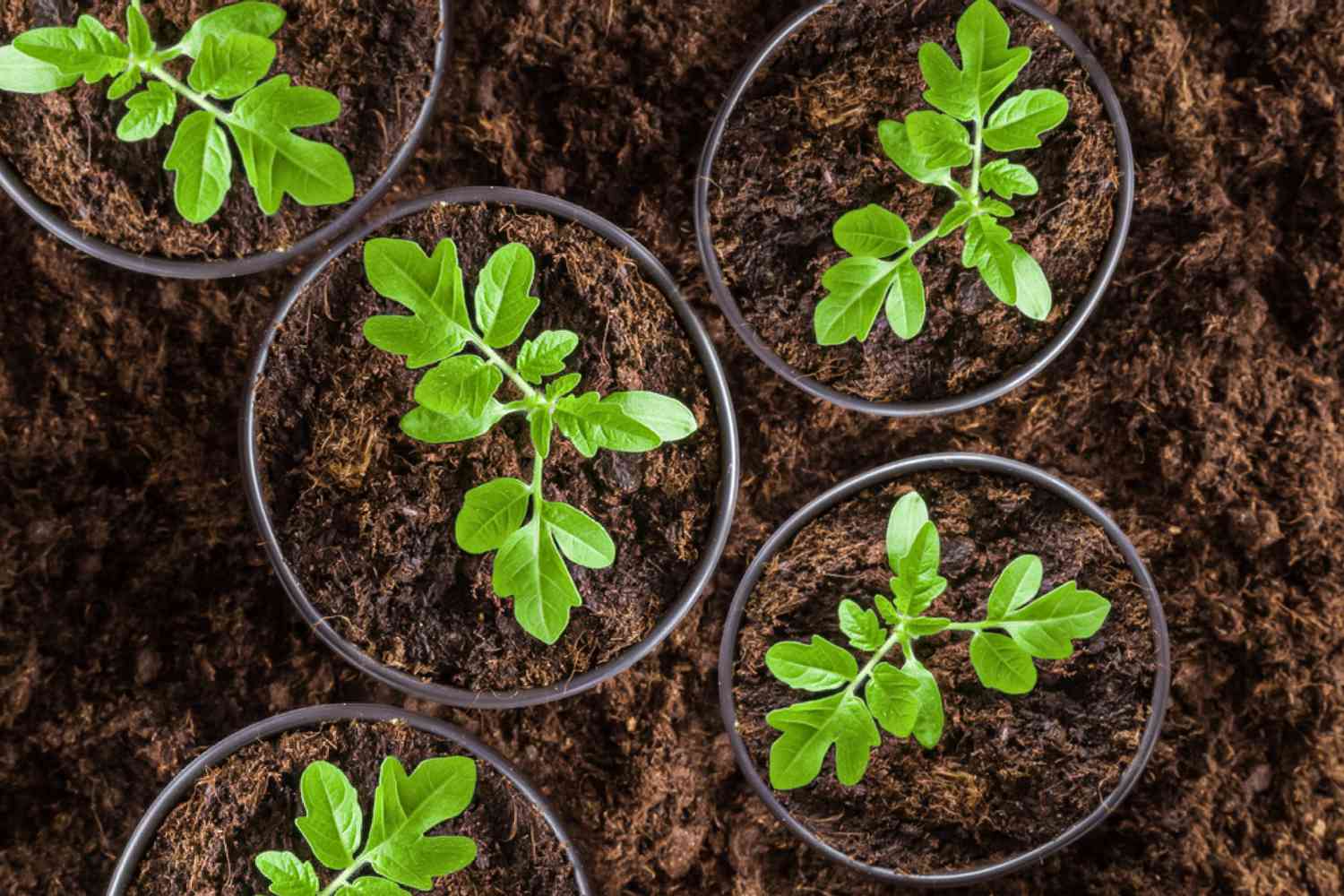
Accelerating the growth of tomato seedlings naturally involves optimizing environmental conditions, soil health, and plant care practices. Here are some effective methods to achieve robust and rapid growth for your tomato seedlings:
1. Optimal Light Exposure
- Sunlight: Ensure your seedlings receive at least 14-16 hours of bright, indirect sunlight daily. If natural sunlight is insufficient, consider using grow lights with a spectrum suitable for vegetative growth.
- Grow Lights: Use LED grow lights positioned about 2-4 inches above the seedlings, adjusting as they grow to maintain the optimal distance and prevent leggy growth.
2. Temperature Control
- Warmth: Maintain a consistent temperature between 70-80°F (21-27°C) during the day and slightly cooler at night. Seedling heat mats can be used to keep the soil warm, especially in cooler climates.
3. Soil and Nutrients
- Quality Soil: Use a well-draining, sterile seed-starting mix to prevent diseases and promote healthy root development.
- Nutrient Boost: Incorporate compost or organic matter into the soil. Consider using natural fertilizers like fish emulsion, worm castings, or compost tea to provide essential nutrients.
4. Watering Practices
- Consistent Moisture: Keep the soil consistently moist but not waterlogged. Overwatering can lead to root rot and other diseases.
- Bottom Watering: Water from the bottom to encourage deep root growth and prevent damping-off disease, which can affect young seedlings.
5. Air Circulation and Humidity
- Ventilation: Ensure good air circulation around the seedlings to prevent fungal diseases. A small fan can help with airflow.
- Humidity Levels: Maintain moderate humidity. If necessary, use a humidity dome over the seedlings but remove it once the true leaves develop to prevent excess moisture buildup.
6. Pruning and Staking
- Pinching: Once seedlings develop a few sets of true leaves, pinch the tips to encourage bushier growth.
- Support: As seedlings grow taller, provide support with small stakes or tomato cages to prevent them from falling over.
7. Hardening Off
- Gradual Exposure: Before transplanting seedlings outdoors, gradually acclimate them to the outside environment. Start by placing them outside for a few hours each day, increasing the time and exposure to direct sunlight over a week or two.
8. Companion Planting
- Beneficial Neighbors: Planting certain herbs and flowers, such as basil, marigolds, or nasturtiums, near your tomatoes can help deter pests and promote growth through natural biological interactions.
9. Organic Mulching
- Mulch: Apply a layer of organic mulch, such as straw or shredded leaves, around the seedlings to retain soil moisture, regulate temperature, and suppress weeds.
10. Regular Monitoring and Care
- Observation: Regularly check for signs of pests, diseases, or nutrient deficiencies. Early detection allows for prompt and natural intervention, such as using neem oil for pest control or adjusting nutrient levels.
By combining these natural approaches, you can create an optimal growing environment that encourages the rapid and healthy development of your tomato seedlings. Happy gardening!

You must be logged in to post a comment Login