Gardening Guide
How To Grow Your Best Carrots Ever – From Seed To Harvest

Growing carrots in your garden can be a challenge for any gardener. Even though it seems simple, you’ll end up disappointed if you aren’t careful with the cultivation process and grow little harvest to show from your efforts because of not taking the time needed.
This was my own personal struggle when living on our homestead in West Virginia back when I first started out as an organic farmer-gardener. The clay soil prevented roots from penetrating deeply enough which resulted in stunted carrot plants that were still delicious tasting even so!
When I moved to Michigan, the sandy soil in my backyard was a problem. It led to drainage issues that made it difficult for me to water my garden evenly and effectively because of how dry everything would get during hot days without any rain.
Early on in the season, this one time where I didn’t properly take care of watering my carrots over an intense stretch of sweltering summertime weather ultimately resulted in tough and tasteless roots from all but two plants out of 12 total carrot seedlings planted!
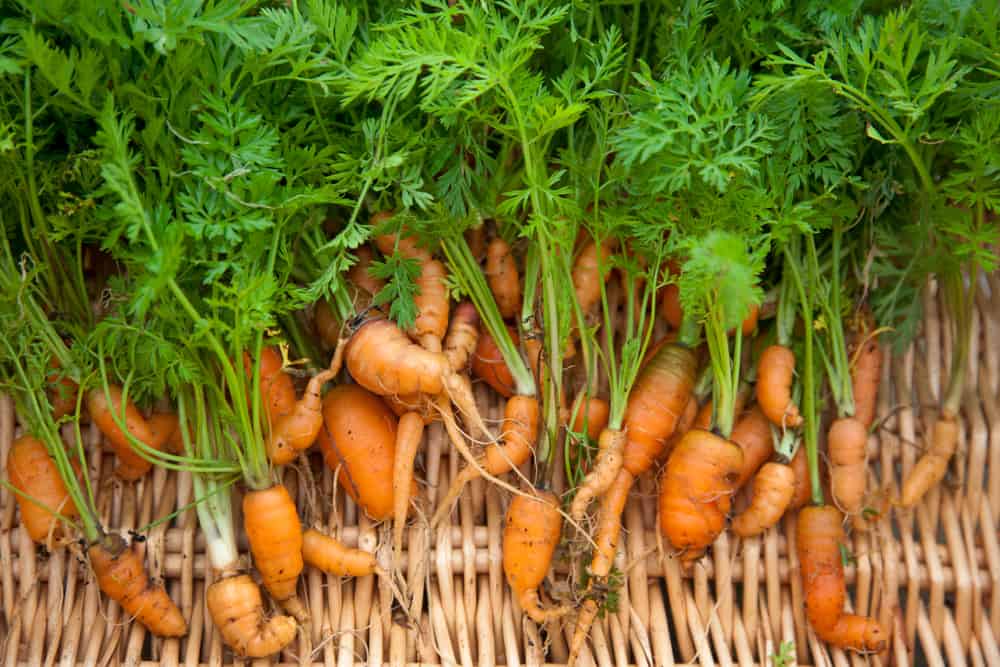
If your homegrown carrots often wind up looking like this, then you need to keep reading.
The most frustrating thing about gardening is that you never know what will work. For me, it took a few years of trial and error to figure out the perfect way for my carrots to grow beautifully.
The key? Start with both ends of the spectrum – plant different carrot varieties or lengths at each end so they can stretch toward one another!
12 Popular Carrot Varieties to Grow
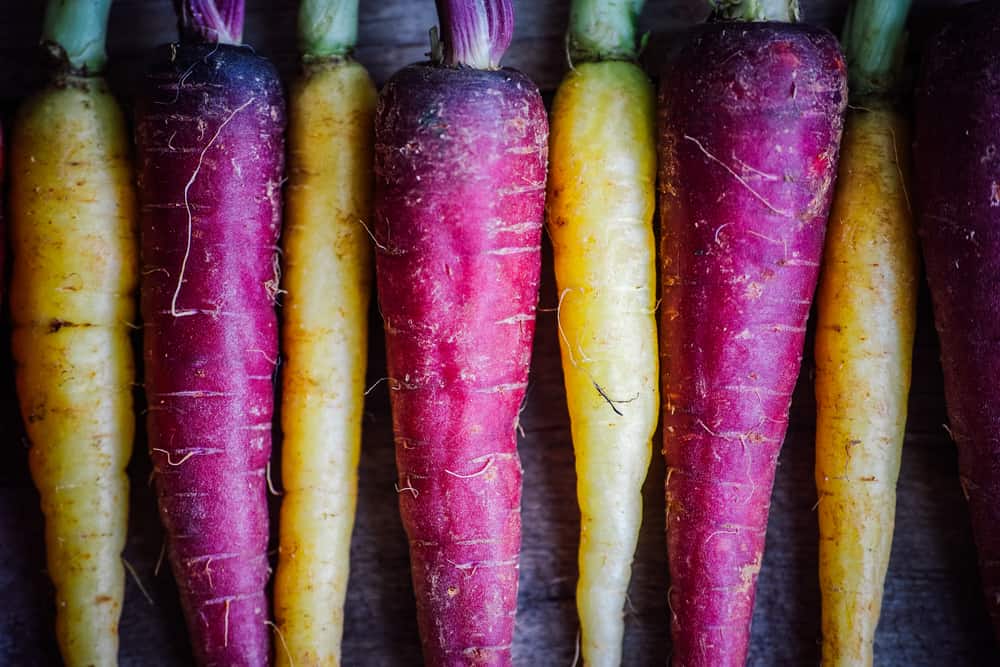
Carrots are a versatile vegetable, making them perfect for any garden. Varieties come in colors of white, orange and purple – so it’s easy to find one that suits your taste! Here are some popular varieties with different attributes:
Bolero: They grow to a slightly tapered 7-8 inches and come in bright orange. Farmers love them because they are resistant to most pests and blight, unlike other carrot varieties which can be damaged by poor soil conditions or heavy clay.
Danvers are a classic heirloom variety that have the rich flavor and dark orange flesh their cultivated counterparts lack. These plants thrive in heavy clay soil, where other varieties would struggle to grow due to poor drainage or pest resistance.
One of the most common varieties is Lunar White, which offers a mild taste and bright white flesh. This vigorous producer grows up to 20 pounds per plant in one season! Little Finger peaking at around four inches long will provide you with plenty of crunchy sweetness throughout winter months. If you’re looking for something large Oxheart can grow as high as 24″ tall but each carrot weighs well over a pound an individual lobe reaches 8-10″. Nantes are small carrots that have blunt ends and sugar sweet flavor perfect for shorter growing seasons because they mature about 4 weeks early than other types; these little guys reach 16-24 inches.
Paris Market Carrot: You’re forgiven for confusing this carrot variety with a radish. Short and squat in stature, it has an increased tolerance to rocky soil conditions.
Solar Yellow: This pale yellow heirloom reaches about eight inches high and is light-tasting yet sweet enough on its own!
Purple Dragon: Take your taste buds on an adventure as you savor the bright color of these deep purple vegetables that are sure to add some excitement into any summer salad dish!
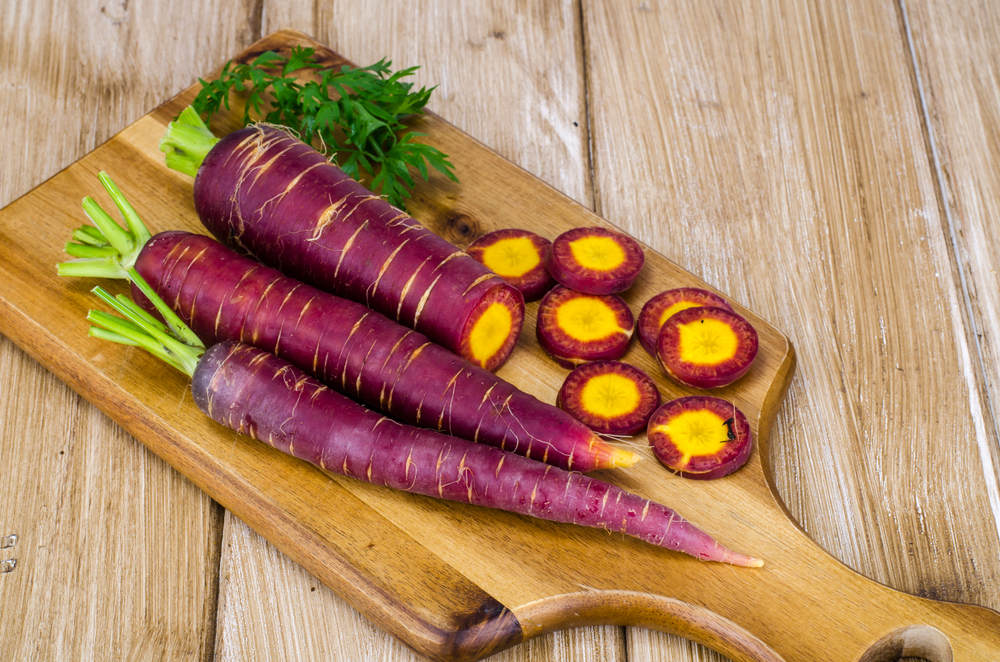
Purple Dragon Carrots
Imperator is the orange carrot you’re most likely to see at your local grocery store, but it also tastes incredible when harvested in late fall. This variety was made popular by commercial growers and has a high sugar content that makes them sweetest after being exposed to frost.
Manpukuji carrots are Japanese varieties with long super-thick roots reaching over two feet! They grow fast so they need fertile soil for best taste results, which can make harvest hard because of their length!
Black Nebula: This carrot’s dark purple color and full of antioxidants make it a great addition to your healthy diet. The Black Nebula is durable enough that its hue remains after cooking, so you can still enjoy the juice with this delicious vegetable!
Seed Tape, Pellets or Regular Carrot Seeds?
Carrot seeds are notorious for being tiny and tricky to plant. If you’d rather not painstakingly place each seed in your garden bed (only to thin half of them out later), then it would be worth considering planting seed tape or pelleted seeds instead.
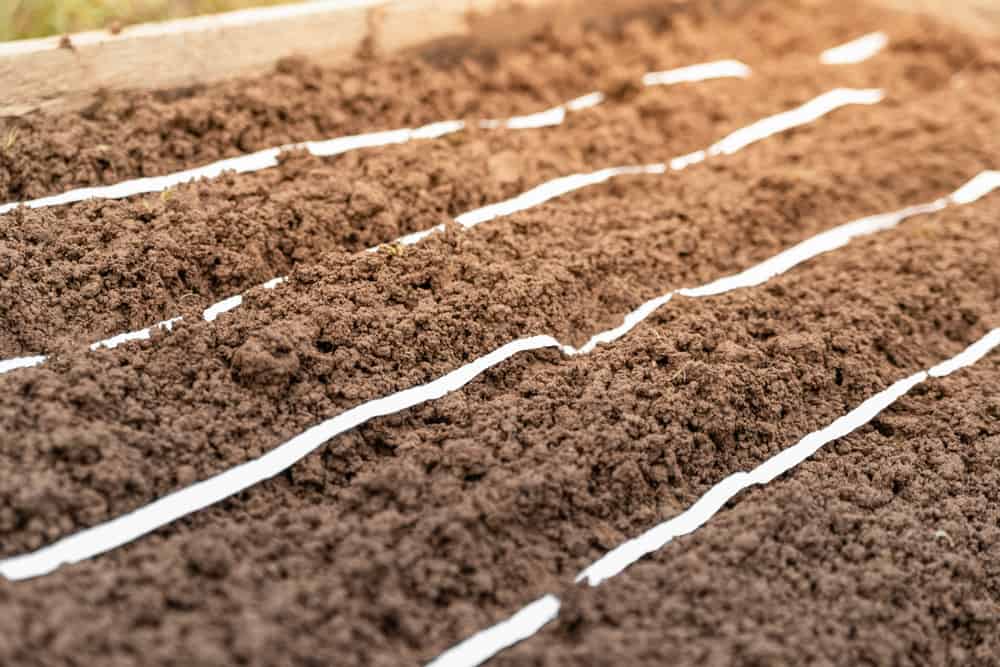
Seed tapes come as a strip of biodegradable paper with pre-spaced carrot seeds embedded on top, which can be covered by soil and planted quickly without effort; they’re often used when space is limited because they allow the gardener more control over where their carrots will grow than traditional methods like scattering individual small pellets across an area. In contrast, pelletized carrot roots take less time since there’s no need for careful placement – these make up
Both methods make planting easier but there is always something better than another. If you’re looking for an affordable solution with little work required then go straight ahead with purchasing seedlings instead of getting into pots yourself.
How to Grow Carrots in the Garden
The seeds are selected, now it’s time to start planting. Let me go over the specifics below.
When to Plant Carrots
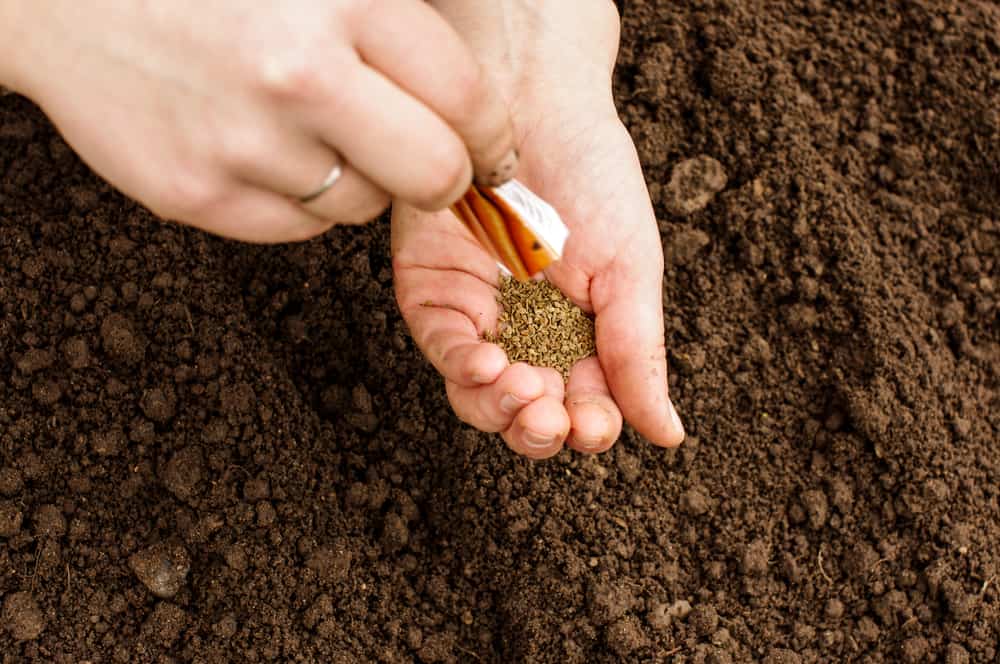
Carrots can be planted in the spring or late summer for two separate harvests. One common carrot mistake is sowing too early, but they are notoriously slow to germinate and will not sprout at all if soil temperatures are too low. Wait until after your last frost date before planting them – preferably around three to five weeks afterwards- and consider warming up the ground ahead of time with large dark tarps that concentrate heat from sunlight.
Most carrots take about 2 months (or more) on average when grown outside so make sure you get a long harvest season by staggering plantings every two weeks until early summer!
Plant your fall crop in the early part of September for a harvest just before Thanksgiving.
How to Prep Garden Soil for Carrots
Root vegetables, such as carrots thrive in sandy loam soil with good drainage that gets at least eight hours of direct sunlight. Any compaction or obstruction like rocks and roots make it hard for the carrot root to push through which will stunt their growth and lead to deformities.
You can amend your growing space by adding compost before planting because this improves its texture making it easier for the plants’ roots to grow there are also other benefits from doing so but I’ll go into those later on another day.
The plant likes potassium so if you don’t have enough wood ash mixed into your garden bed consider using some when preparing a new one where you plan on planting these veggies; refrain from putting too much nitrogen-heavy fertilizer instead focus more on calcium nitrate.
If you want to grow the best carrots in your garden, be sure to prep a suitable bed. You can accomplish this by tilling down at least twelve inches and removing any stones or clumps that could impact root growth. If compaction is going to be an issue for your carrot patch, consider planting them in raised beds so that you are able fully control soil quality without worrying about rocks or patches of dried-out earth interfering with their vitality.
How to Sow Carrot Seeds
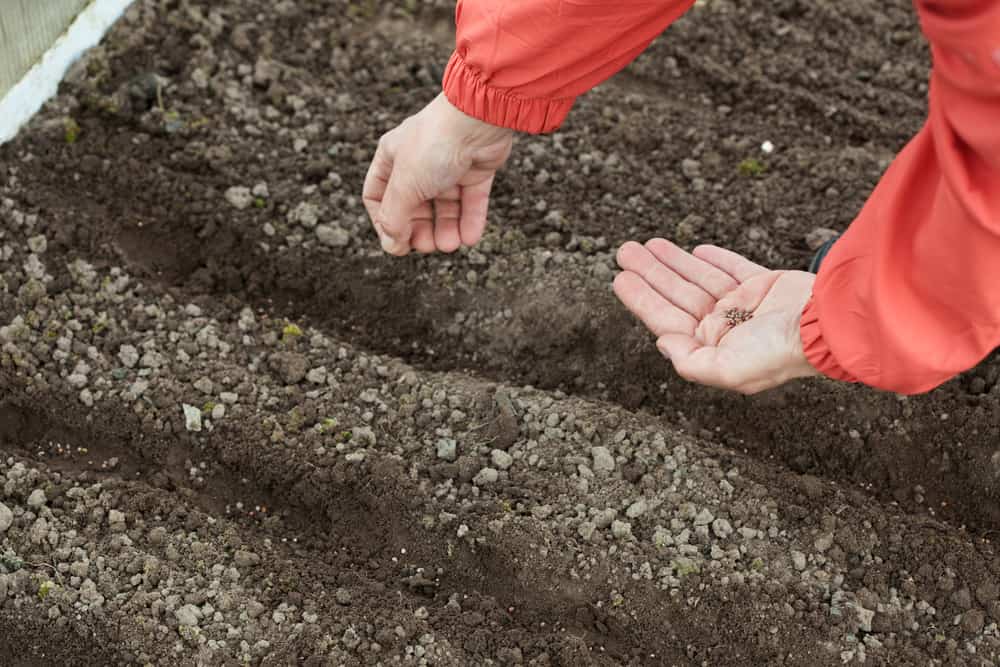
Carrots hate being transplanted, so it’s best to plant them by seed. Scatter the seeds 1/8 inch deep and about one inch apart in rows spaced 15 inches from each other. Don’t worry if they clump together too much—you’ll thin them later on anyway! Lightly rake over the soil with a light hand and pat down gently until all of your carrot seeds are touching dirt within their designated area (which you just created).
If you use pelleted or pre-packaged versions rather than planting our own, be sure to follow any specific instructions that come along with those products as well before we get started here today!
Carrots are a very difficult vegetable to plant, and they require lots of care for them to grow. Make sure the soil is constantly moistened so that their hard seed coating will soften as soon as possible while emerging from the ground in order for germination to occur.
When planting carrots make sure you don’t let your garden produce dry patches since it’ll be extremely challenging if not impossible – watering should happen every day or at least once per week with more frequent showers during hot summer days would help prevent crusty layers forming on top which may block emergence after rain has fallen and washed away any vegetation residue previously there (making water absorption less likely). If this happens then consider covering your carrot bed with row cover fabric or investing in a soaker hose system.
Caring for Carrot Plants
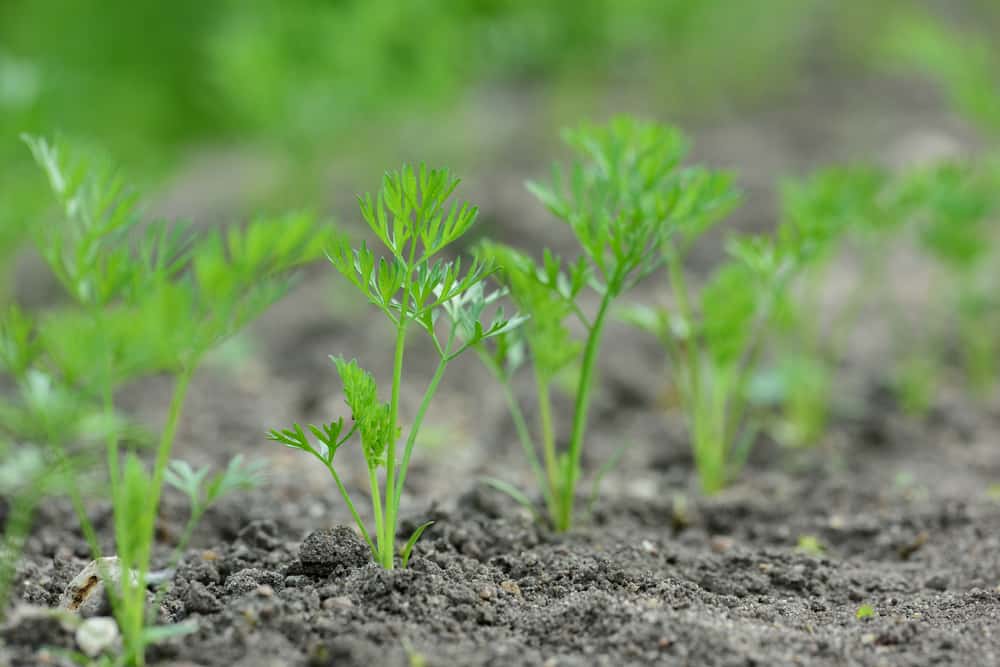
The first sign of spring in your garden is the carrot sprouts. It’s important to remove any row cover as soon as you see these babies coming up, because weeds can quickly take over and dominate them – it pays off be diligent about keeping those rows clear!
Flame weeders work well for organic farms looking to scorch between rows before they get established.
Carrots are delicious and nutritious, but they need some special attention to thrive. Once the seedlings are an inch tall, thin them out so there is 2-3 inches between each plant for healthy root growth.
They also don’t like a hot soil during summer days or when it’s dry outside; mulch you beds with low nitrate fertilizer (5-10-10) once the weather really heats up and consider using dried grass clippings as extra nitrogen in order to keep your carrot plants happy all season long!
You might think that your watering woes will go away once the carrot sprouts, but sadly it’s not so. You need to keep the soil moist but not soggy throughout growing season or you risk harvesting short carrots with thin and woody roots! Plan on watering at least one inch of water per week early in the growing season then increasing this two inches as time progresses-otherwise there is a high chance for bad harvest results such as these.
Common Carrot Pest and Disease Problems
Carrots are a hearty crop that rarely suffer from disease. However, if they do become diseased, it is almost impossible to eradicate the problem!
Keep your carrots moist but not soggy and remove any dead plant material in order to prevent problems. In addition, be sure you rotate where you plant new carrot seeds each year so as not repeat old mistakes (and avoid picking up more bad bugs). If an infestation does happen before harvest time makes use of row covers for young plants or insecticides when necessary.
How to Harvest Carrots
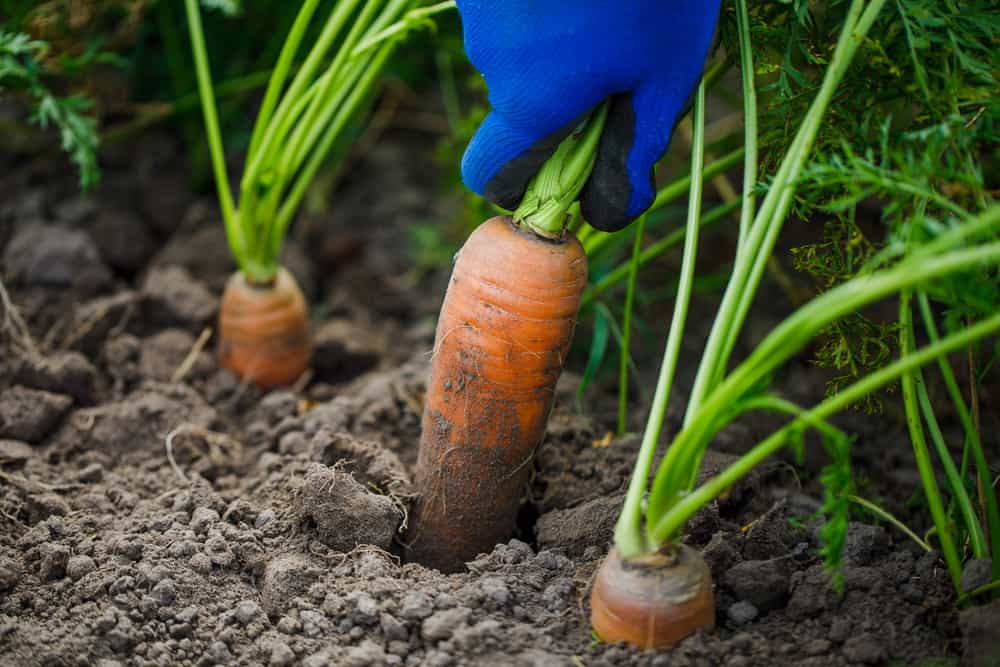
Carrots are best harvested when they’re about as thick as a finger. You can wait until the carrots have reached maturity, but if you want them to be tender in the summer or extra sweet after frost has hit your garden, it’s better to start harvesting now.
For easier farming and less physical exhaustion during harvest time, use a digging fork first so that once pulled up by their foliage on top of soil loosened with said gardening utensils; these vegetables will come out cleanly without any dirt sticking onto them!
If there is excess crop left over from this round of harvests for carrot tops which must be covered before winter comes around (in order not to lose nutrients), cover those remaining crops with an 18-inch layer of leaves.
Great for a garden enthusiast, planting carrots might be the perfect hobby this season. As they are biennial plants and will produce seed clusters when left in the ground during their second year of growth.
You can collect these brown seed heads from your carrot patch once you pluck them out of the soil to store indoors until winter comes around again so that you may plant more next spring!
Storing Carrots for Future Use
Carrots are a hardy vegetable that will store for months in the right conditions. After harvesting, all you need to do is twist off up ½ inch of the greenery and wash them thoroughly before storing them airtight bags with your fridge. If this step isn’t followed within hours they’ll go limp! You can also store carrots packed in bins of moist sand or dry sawdust- just make sure it’s at 32-40 degrees Fahrenheit and away from fruits like apples and pears as these produce ethylene gas which turns carrots brown over time if left nearby!
How to Grow Carrots in Containers
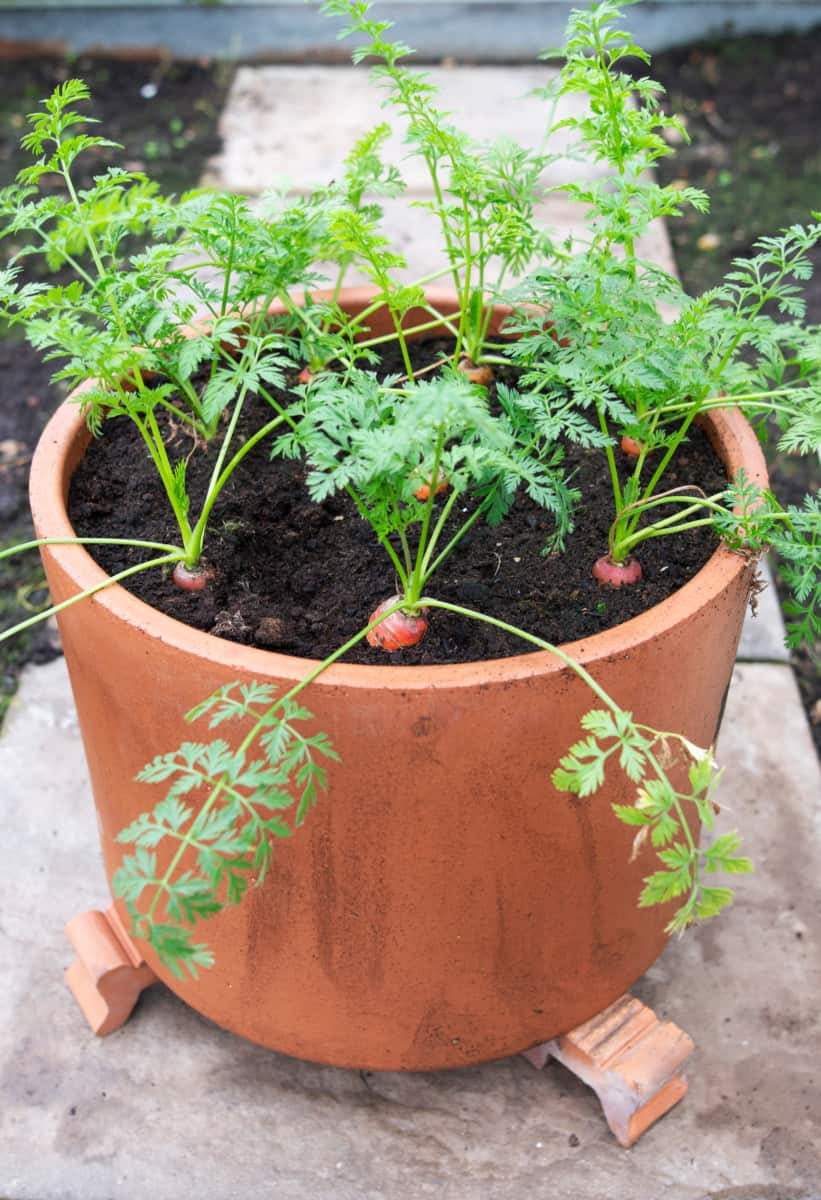
With a little planning, you can grow great carrots in containers. It’s an excellent option for anyone with limited space or challenging soil conditions! To make sure your carrot garden is successful, try using 12-inch deep pots filled to the brim with quality potting mix and sprinkle some shallow variety of seeds on top such as Little Finger or Paris Market.
Make sure that you stay on top of watering them so they will be ready to harvest within a few months – if not sooner! You may want to pull out individual carrots when they are big enough by hand but sometimes it’s easier just tipping over the container and harvesting all at once instead.
Make This the Year of Growing Carrots Successfully
Carrots are one of the most versatile vegetables you can grow at home. And with some simple tips, like using organic fertilizer and mulch to keep them healthy, it’s easy as pie! So why not try these steps for a great carrot crop this summer that will last all season long?

You must be logged in to post a comment Login