Growing Vegetables
The Ultimate Guide to Growing Exceptional Cucumbers: Tips, Tricks, and Techniques
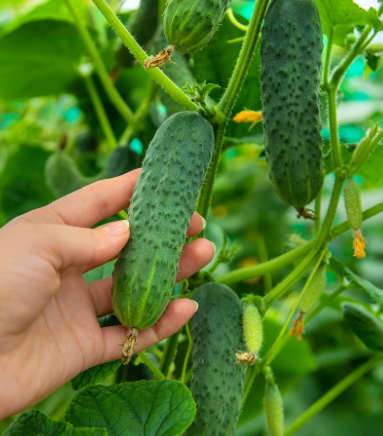
Crisp, refreshing, and versatile, cucumbers are a staple in gardens worldwide. Whether you’re a seasoned gardener or a novice with a green thumb, growing exceptional cucumbers can be a rewarding experience. From selecting the right variety to mastering cultivation techniques, this comprehensive guide will equip you with everything you need to know to cultivate cucumbers that are truly exceptional.
Selecting the Right Variety: Before you start planting, it’s essential to choose the right cucumber variety for your garden. There are several types to consider, each with its own unique characteristics:
- Slicing Cucumbers: These are the classic cucumbers found in most grocery stores. They are typically longer, with a smooth skin and mild flavor, perfect for salads and sandwiches.
- Pickling Cucumbers: If you’re interested in making your own pickles, pickling cucumbers are the way to go. They are smaller and firmer than slicing cucumbers, making them ideal for pickling.
- Burpless Cucumbers: As the name suggests, burpless cucumbers are easier to digest and less likely to cause gas than other varieties. They have a thinner skin and a sweeter taste, making them a favorite for fresh eating.
- Specialty Cucumbers: There are also specialty varieties of cucumbers, such as Armenian cucumbers, which have a unique appearance and flavor profile. Consider experimenting with different types to find the ones that suit your taste preferences best.
Preparing the Soil: Cucumbers thrive in well-drained, fertile soil with a pH level between 6.0 and 7.0. Before planting, amend your soil with organic matter such as compost or aged manure to improve its texture and fertility. Additionally, ensure that the soil is warm enough for planting, as cucumbers are sensitive to cold temperatures.
Planting: Once the soil is prepared, it’s time to plant your cucumber seeds or seedlings. Cucumbers are warm-season crops, so wait until all danger of frost has passed before planting outdoors. Sow seeds directly into the ground or start seedlings indoors and transplant them once they have developed true leaves.
When planting cucumbers, space the seeds or seedlings about 12 to 24 inches apart in rows that are 3 to 6 feet apart. This spacing will allow the plants to receive adequate sunlight and airflow, promoting healthy growth.
Caring for Your Cucumbers: Cucumbers require consistent moisture to thrive, so be sure to water them regularly, especially during dry periods. Mulching around the base of the plants can help retain moisture and suppress weeds.
Additionally, cucumbers are heavy feeders, so fertilize them regularly with a balanced fertilizer to provide the nutrients they need for vigorous growth. Avoid over-fertilizing, as this can lead to excessive foliage growth at the expense of fruit production.
To encourage a higher yield, consider trellising your cucumber plants. Training the vines to climb a trellis not only saves space but also improves air circulation around the plants, reducing the risk of disease and promoting even ripening of the fruit.
Pest and Disease Management: Like all garden crops, cucumbers are susceptible to pests and diseases. Keep an eye out for common cucumber pests such as aphids, cucumber beetles, and spider mites, and take prompt action to control them if necessary. Regularly inspect your plants for signs of disease, such as powdery mildew or bacterial wilt, and treat them promptly to prevent further spread.
Harvesting: Harvesting cucumbers at the right time is crucial to ensure optimal flavor and texture. Most varieties are ready to harvest when they reach their mature size, which can vary depending on the variety. Check your seed packet or plant label for specific guidance on when to harvest your cucumbers.
When harvesting, use a sharp knife or pruning shears to cut the cucumbers from the vine, taking care not to damage the plant. Harvesting regularly encourages continued fruit production and prevents overripe cucumbers from inhibiting the development of new fruit.
Conclusion: Growing exceptional cucumbers requires careful planning, proper care, and attention to detail. By selecting the right variety, preparing the soil, and implementing good cultivation practices, you can enjoy a bountiful harvest of delicious cucumbers all season long. With the tips and techniques outlined in this guide, you’ll be well on your way to becoming a cucumber-growing expert. Happy gardening!

You must be logged in to post a comment Login