Growing Vegetables
The Ultimate Guide to Growing Cabbage: Expert Tips for a Lush Garden
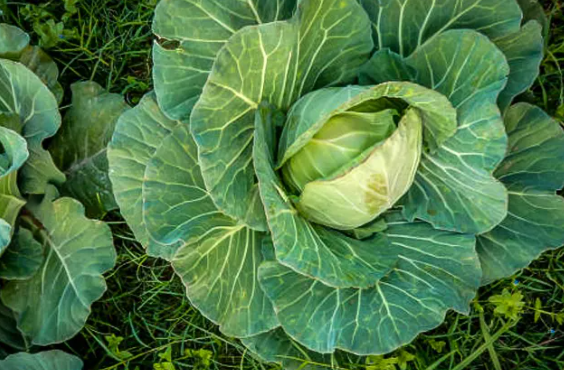
Cabbage, with its versatile culinary uses and nutritional benefits, is a staple in many kitchens around the world. Whether you’re a seasoned gardener or just starting out, cultivating cabbage in your garden can be a rewarding experience. However, like any plant, cabbage requires proper care and attention to thrive. In this comprehensive guide, we’ll explore expert tips to help you grow lush, healthy cabbage in your garden.
- Choosing the Right Variety:
- Cabbage comes in various shapes, sizes, and colors, so selecting the right variety is crucial. Consider factors such as the climate in your region, the time of year you plan to plant, and your preferred taste and texture.
- Popular varieties include green, red, and savoy cabbage. Each has its own unique flavor profile and growing requirements. For beginners, it’s often recommended to start with a basic green variety, such as ‘Early Jersey Wakefield’ or ‘Golden Acre.’
- Preparing the Soil:
- Cabbage thrives in well-drained, nutrient-rich soil. Before planting, amend your soil with compost or aged manure to improve its fertility and structure.
- Aim for a pH level between 6.0 and 7.5, which is optimal for cabbage growth. You can test your soil’s pH using a simple soil testing kit available at garden centers.
- Ensure adequate drainage to prevent waterlogging, which can lead to root rot and other diseases.
- Planting:
- Cabbage can be grown from seeds or transplants. If starting from seeds, sow them indoors 4-6 weeks before the last frost date in your area. Transplants can be planted directly into the garden once the soil has warmed up.
- Space cabbage plants about 12-24 inches apart, depending on the variety. Give them plenty of room to grow and spread out.
- Plant cabbage in a location that receives full sun for at least 6-8 hours per day. Avoid planting in areas prone to strong winds, as they can damage the delicate leaves.
- Watering and Maintenance:
- Cabbage plants require consistent moisture to thrive, especially during the early stages of growth. Water deeply and regularly, keeping the soil evenly moist but not waterlogged.
- Mulch around cabbage plants to help retain moisture, suppress weeds, and regulate soil temperature. Organic mulches such as straw or shredded leaves work well.
- Monitor your cabbage plants for signs of pests and diseases, such as cabbage worms, aphids, or fungal infections. Promptly remove any affected leaves and treat with organic pesticides or fungicides if necessary.
- Fertilizing:
- Cabbage is a heavy feeder and requires regular fertilization to support its growth and development. Apply a balanced fertilizer, such as 10-10-10, every 3-4 weeks during the growing season.
- Alternatively, you can top-dress your cabbage plants with compost or aged manure to provide a slow-release source of nutrients.
- Harvesting:
- The timing of harvest depends on the variety of cabbage you’re growing and your desired size. Most varieties are ready for harvest 70-100 days after planting.
- Harvest cabbage heads when they feel firm and solid to the touch. Use a sharp knife to cut the head from the base of the plant, leaving a few outer leaves intact.
- If you notice any signs of bolting (the plant producing a flowering stalk), harvest the cabbage immediately to prevent bitterness.
- Storing:
- Store harvested cabbage heads in the refrigerator, where they can remain fresh for up to several weeks. Wrap them loosely in plastic wrap or place them in perforated plastic bags to retain moisture.
- Alternatively, you can ferment cabbage to make sauerkraut or kimchi, which can be stored for long periods in a cool, dark place.
Conclusion: Growing cabbage can be a rewarding experience for gardeners of all skill levels. By following these expert tips, you can cultivate lush, healthy cabbage plants that will provide you with a bountiful harvest for months to come. Whether enjoyed fresh in salads, steamed, sautéed, or pickled, homegrown cabbage adds a delicious and nutritious element to any meal. So roll up your sleeves, dig in the dirt, and get ready to enjoy the fruits (or rather, the veggies) of your labor!

You must be logged in to post a comment Login