Plants
Unveiling the Nutritional and Medicinal Virtues of Chenopodium Album (Lamb’s Quarters)
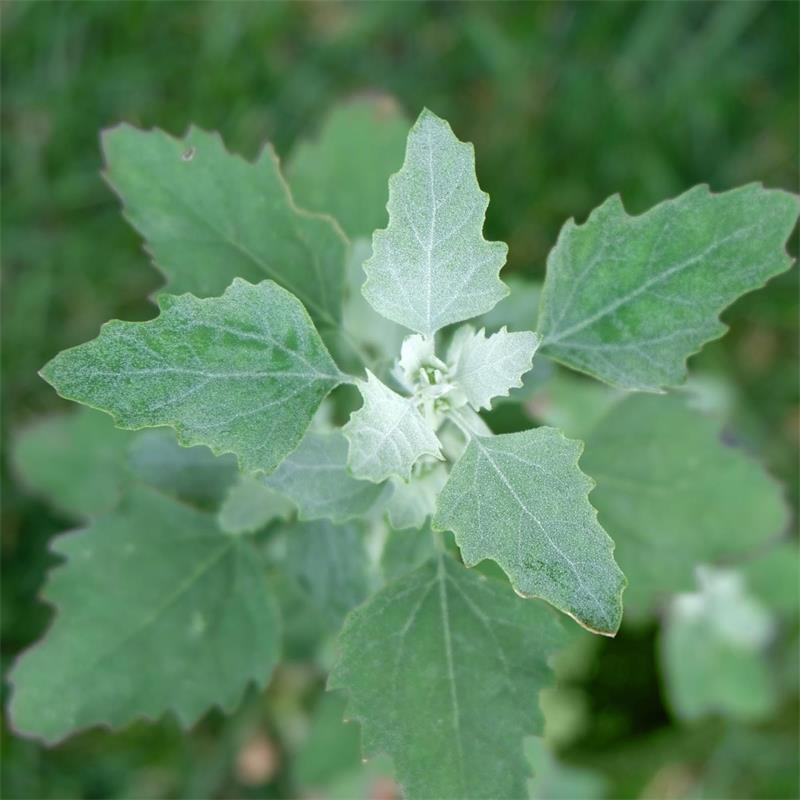
In the vast expanse of nature’s bounty, there are treasures hidden in plain sight, waiting to be discovered and appreciated. One such gem is Chenopodium album, commonly known as Lamb’s Quarters or goosefoot. Often dismissed as a common weed, this unassuming plant boasts a rich array of nutritional and medicinal properties that have been utilized for centuries across various cultures. Let’s delve into the depths of this humble herb and uncover its remarkable proficiencies.
A Botanical Overview:
Chenopodium album belongs to the Amaranthaceae family and is native to Europe, Asia, and North America. Its leaves resemble those of a goose’s foot, hence the name “goosefoot,” and it typically thrives in disturbed habitats such as gardens, fields, and roadsides. Despite being considered a weed in many regions, Lamb’s Quarters has long been recognized for its culinary and therapeutic significance.
Nutritional Riches:
One of the most striking attributes of Lamb’s Quarters is its impressive nutritional profile. Rich in vitamins, minerals, and antioxidants, this plant offers a wholesome addition to any diet. Its leaves are particularly abundant in vitamins A, C, and K, along with essential minerals like calcium, magnesium, and iron. Additionally, Lamb’s Quarters contains significant amounts of protein and dietary fiber, making it a valuable source of nutrition for vegetarians and vegans.
Culinary Delights:
Traditionally, Lamb’s Quarters has been consumed as a leafy green vegetable in various cuisines around the world. Its mild, spinach-like flavor makes it a versatile ingredient that can be incorporated into salads, soups, stir-fries, and omelets. The tender young leaves are often preferred for their delicate taste and texture, while the seeds of the plant, known as pseudograins, can be ground into flour or used as a cereal substitute.
Medicinal Marvels:
Beyond its culinary uses, Lamb’s Quarters has also been esteemed for its medicinal properties throughout history. In traditional herbal medicine, it has been employed to alleviate a range of ailments, including digestive disorders, respiratory conditions, and inflammatory issues. The plant’s high concentration of antioxidants may contribute to its anti-inflammatory and immune-boosting effects, while its abundance of vitamins and minerals supports overall health and vitality.
Modern Applications:
In recent years, there has been a resurgence of interest in Lamb’s Quarters as a functional food and natural remedy. With growing concerns about food security, sustainability, and health, this resilient plant offers a viable solution to many contemporary challenges. Its ability to thrive in diverse environments with minimal cultivation makes it an attractive option for sustainable agriculture and urban gardening initiatives. Furthermore, ongoing research into its bioactive compounds and therapeutic potential continues to uncover new avenues for exploration and utilization.
Conclusion:
Chenopodium album, or Lamb’s Quarters, is a testament to the inherent wisdom of nature and the untapped potential of seemingly ordinary plants. Beyond its status as a common weed, this unassuming herb possesses a wealth of nutritional and medicinal virtues that merit our attention and appreciation. Whether enjoyed as a nourishing green vegetable or utilized for its healing properties, Lamb’s Quarters invites us to rediscover the magic hidden within the natural world and embrace the abundance it graciously offers.

You must be logged in to post a comment Login