Plant Care, Soil & Tips
How to Prune a Jade Plant for Maximum Growth & Health
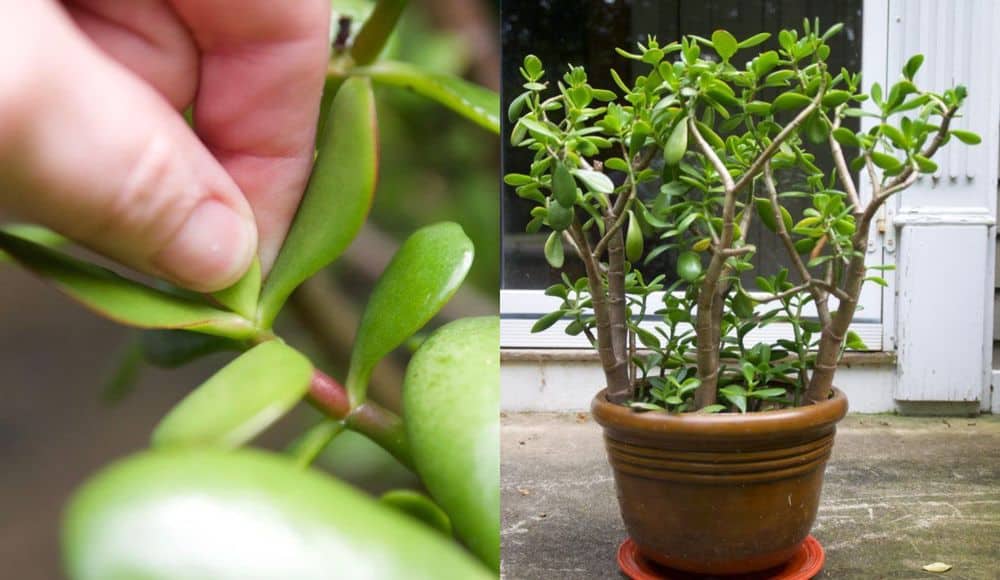
Jade plants, known for their resilience and striking appearance, are popular choices among indoor gardeners. Pruning is a crucial aspect of maintaining their health and promoting vigorous growth. With the right techniques, you can ensure your jade plant thrives and maintains its iconic appearance.
Why Prune a Jade Plant?
Pruning serves multiple purposes for a jade plant:
- Encouraging Growth: Trimming helps stimulate new growth and branching, leading to a fuller, bushier plant.
- Shape Maintenance: Pruning helps control the shape and size of the plant, preventing legginess and maintaining its aesthetic appeal.
- Health Enhancement: Removing dead or diseased parts prevents the spread of diseases and promotes overall plant health.
When to Prune
The ideal time for pruning a jade plant is during its active growing phase, typically in the spring or early summer. Avoid heavy pruning during winter when the plant may be more dormant.
Tools You’ll Need
- Pruning Shears or Scissors: Sharp, clean tools to make precise cuts without causing damage.
- Rubbing Alcohol or Disinfectant: To sterilize your tools before and after pruning to prevent the spread of diseases.
Steps to Prune a Jade Plant:
- Assess the Plant: Examine the plant for any dead, damaged, or overgrown parts that need trimming. Identify areas where you want new growth to encourage branching.
- Select Branches to Trim: Focus on branches that are leggy, too long, or growing in an undesired direction. Remove any damaged, discolored, or diseased parts.
- Make Clean Cuts: Use your sterilized pruning shears to make clean cuts at a 45-degree angle. Ensure you cut just above a leaf node or where a branch connects to the stem. This encourages new growth.
- Avoid Over-Pruning: While it’s essential to trim, avoid overdoing it. Aim to maintain the natural shape of the plant and don’t remove more than a third of the plant at once to prevent stress.
- Root Pruning: If your jade plant is becoming root-bound, consider repotting it into a slightly larger container. Pruning the roots can also be necessary in this case. Gently trim the outer roots and repot in fresh soil.
- Aftercare: After pruning, give the plant some time to recover. Place it in a warm, well-lit area, but shield it from direct sunlight for a few days to prevent stress. Resume regular watering and fertilizing.
Additional Tips:
- Regular Maintenance: Check your plant regularly for any signs of overgrowth or damage to address issues early.
- Balance and Symmetry: Aim for a balanced appearance when pruning, ensuring the plant maintains its natural symmetry.
- Propagating Pruned Parts: Don’t let the pruned pieces go to waste. Jade plants propagate easily from cuttings. Allow the cuttings to callus for a few days, then plant them in a well-draining soil mix to grow new plants.
Conclusion
Pruning a jade plant is a simple yet vital practice to maintain its health and appearance. With the right timing, techniques, and aftercare, you can encourage new growth, prevent diseases, and shape the plant according to your preferences. Remember, moderation is key, and with patience, your jade plant will continue to thrive and adorn your living space with its beauty.

You must be logged in to post a comment Login