Plants
15 Low Maintenance Plants That Require Little Gardening Work

With low maintenance gardening, you can create a beautiful yard without putting in hours of hard work each week. Use perennials that require little maintenance and watch your landscape flourish for years!
Using plants that require little maintenance will help to keep your landscape looking its best. Choose from the wide variety of low-maintenance, quick growing varieties available and enjoy beautiful views!
If you’re looking to build a new landscape this year, consider trees that require less maintenance. For example the slow-growing conifer will be easier on your time and energy than an oak tree, while perennials should have lower planting efforts because they’re already well established in most landscapes, whereas annuals need more care.
If you’re looking for a plant that can adapt to different conditions, then take a look at our selection. We have some great options from sunny and dry soil all the way down into shady areas- perfect if your yard needs just about anything!
Low Water Plant Choices
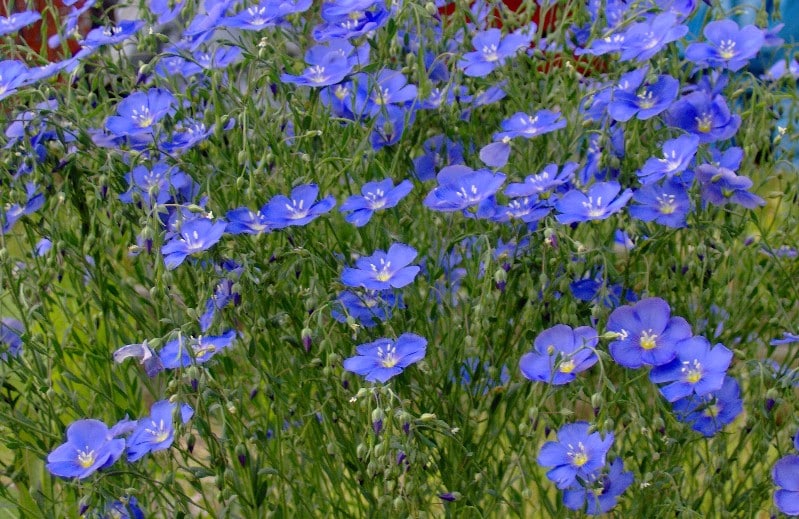
1. Blue Flax
This is a small, yet beautiful flower that only grows for one day. It prefers to be planted in full sun and under low water conditions but can tolerate some shade as well!
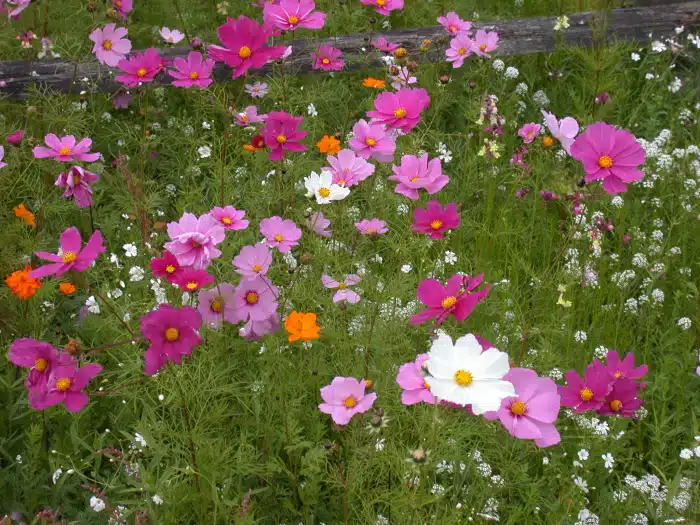
2. Cosmos
The Cosmos family of plants is a colorful and fragrant delight. They love the sun, low water requirements that allow them quick spread in your garden or landscape!
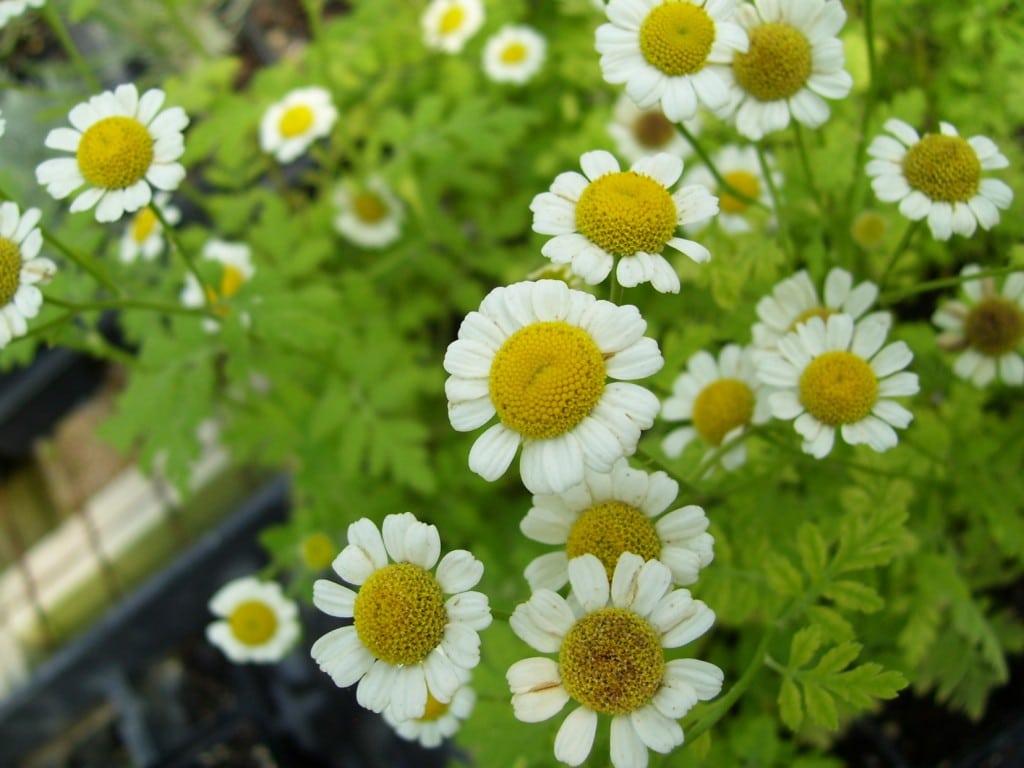
3. Fever Few
This white flower is a scented herb with many medicinal uses. It needs low water and should be planted around outdoor eating areas to help keep insects away from your food.
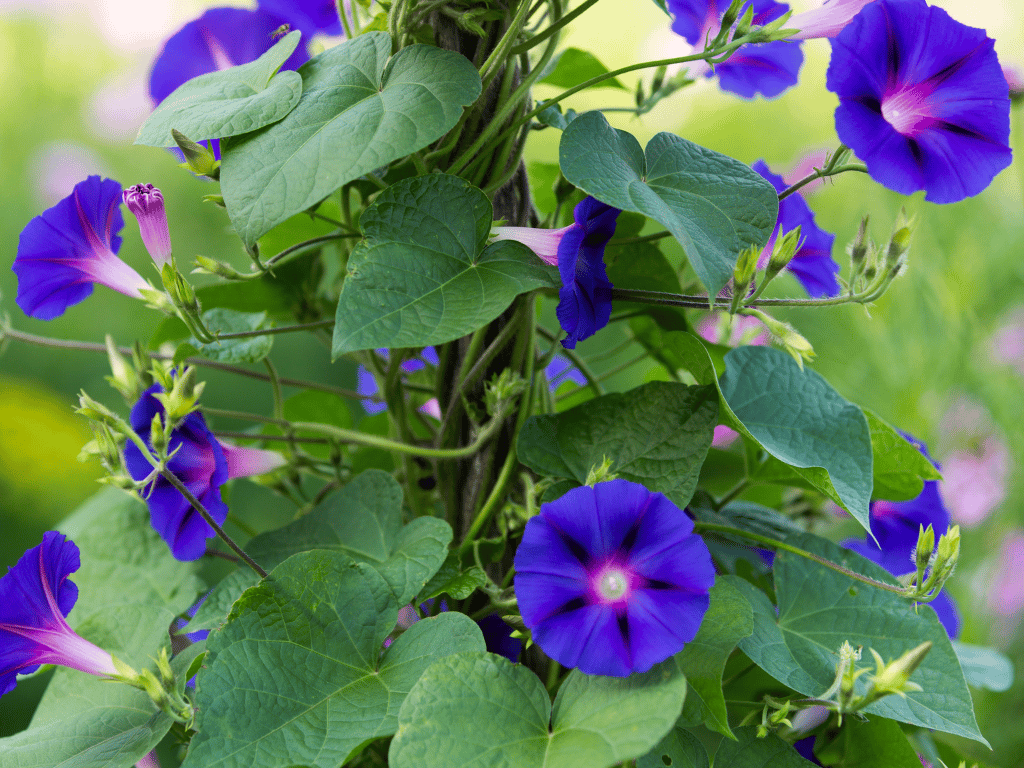
4. Morning Glory
Morning Glory is a vine that can grow anywhere and produce flowers each morning. In order for it to do well, the soil needs very little water with poor quality drainage – but once established this plant will create new branches from its roots if given enough room!
5. Johnny Jump Ups
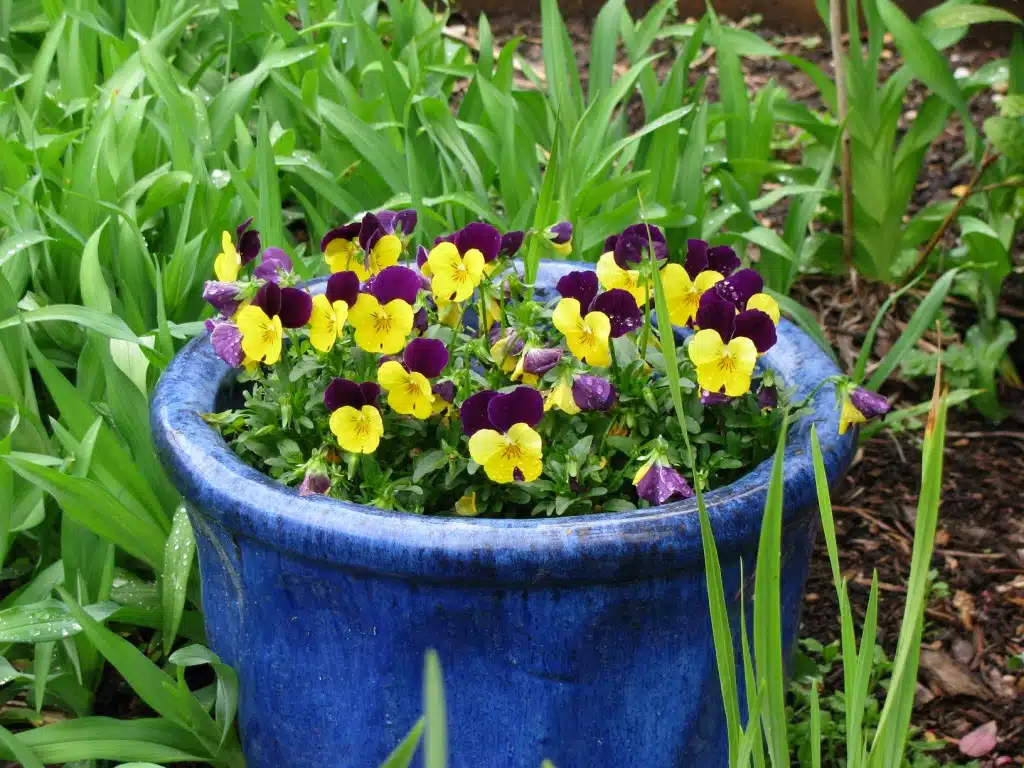
This beauty is a low growing, self-seeding flower that produces tri-colored blooms. It’s striking when planted en masse and the perfect addition to any garden!
6. Crepe Myrtles
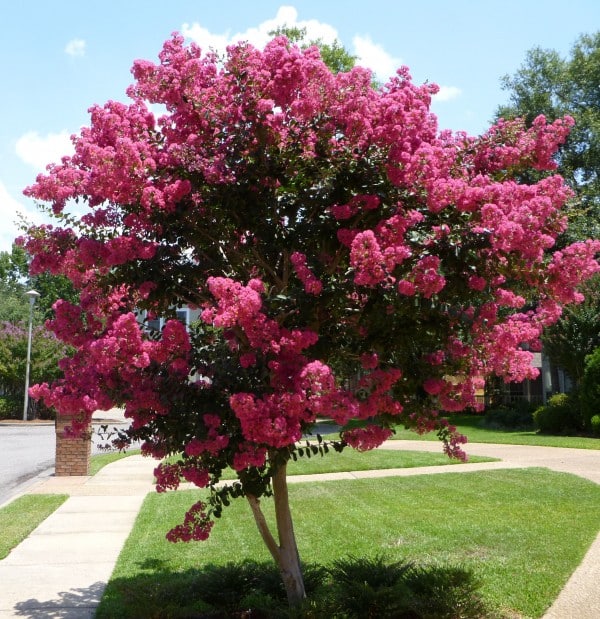
Crepe Myrtles are a drought-tolerant, shade providing plant that will provide you with beauty for years. Pruning it to any size or shape and forgetting about this shrub is easy as they grow up 20 feet tall in late summer when colorful crepes like blooms appear!
Sandy Soil Choices
7. Beach Sunflower
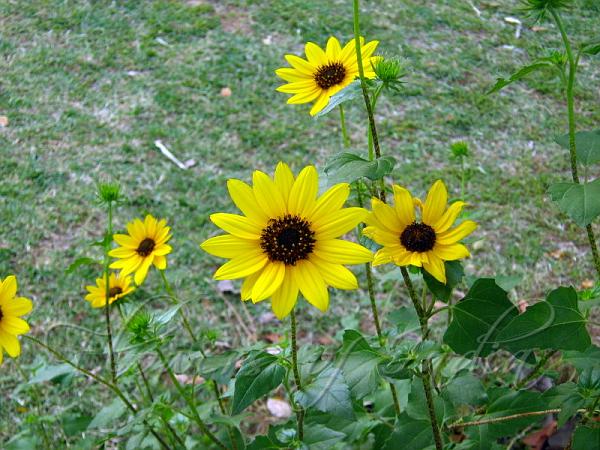
This flower can be found growing on sand dunes, but it will grow upright or lay down as needed. The self-seeding plant requires no extra care other than water to thrive!
8. Beautyberry
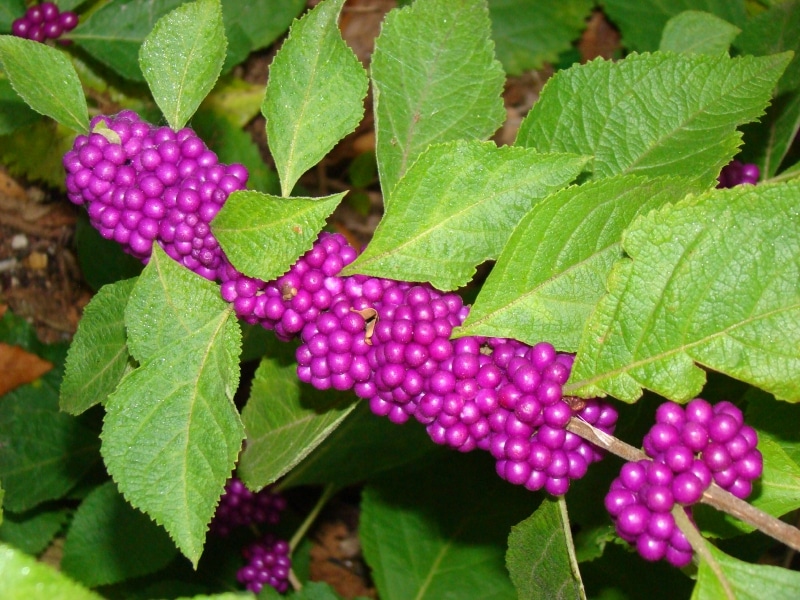
The beautyberry plant is a beautiful vine that can grow up to 6 feet tall. It has purple berries during the summer and fall, making it one of nature’s best-looking fruits!
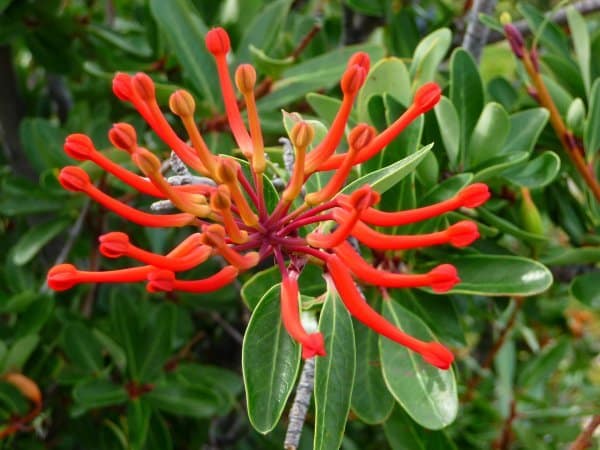
9. Firebush
This plant is a tall growing bush that thrives in full sun and sandy soil. The flowers it produces during summertime are nectar-rich red, like blood oranges!
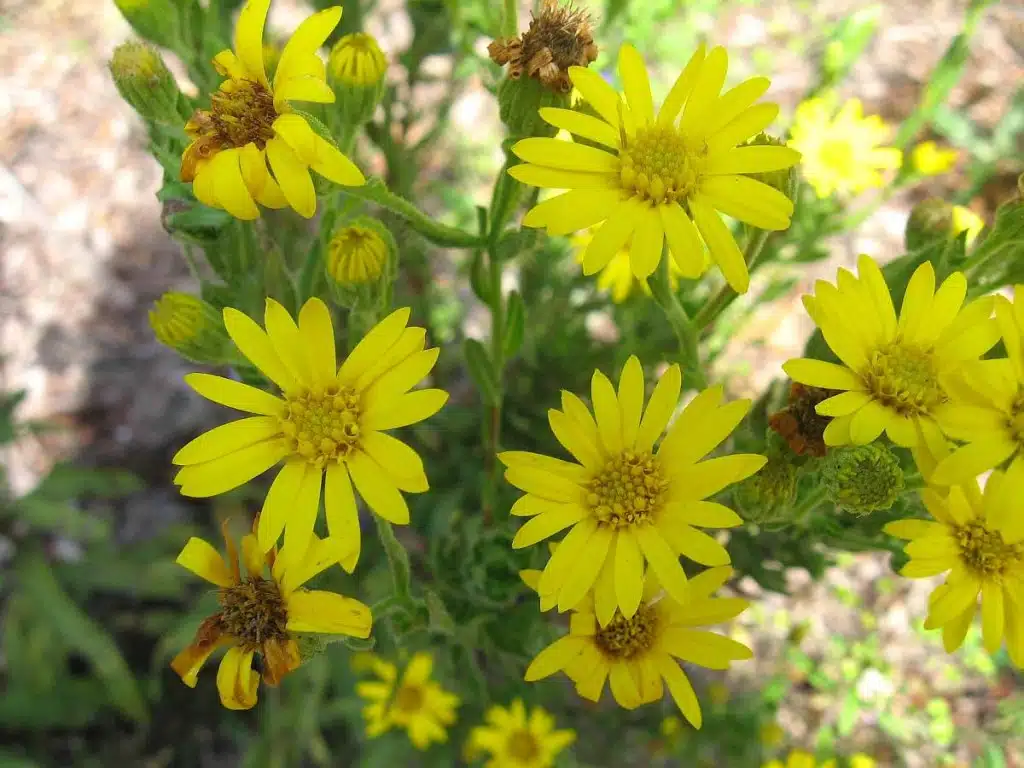
10. Golden Aster
This flower has a lot of different names, but it’s best known as the “Yellow Daisy.” It loves sandy soil and full sun. The plant grows about 2 feet tall with long-lasting blooms from June until September!
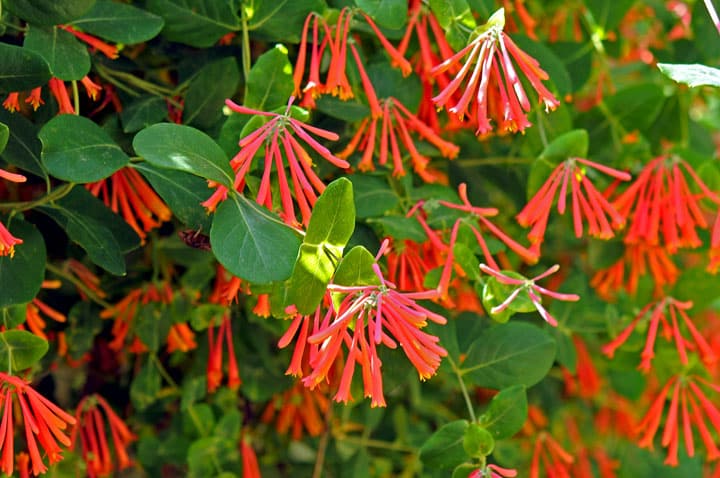
11. Trumpet Honeysuckle
This twining vine is a lover of the sun and sand. It produces clusters of red, tube-shaped flowers in springtime!
Shade Loving Plants
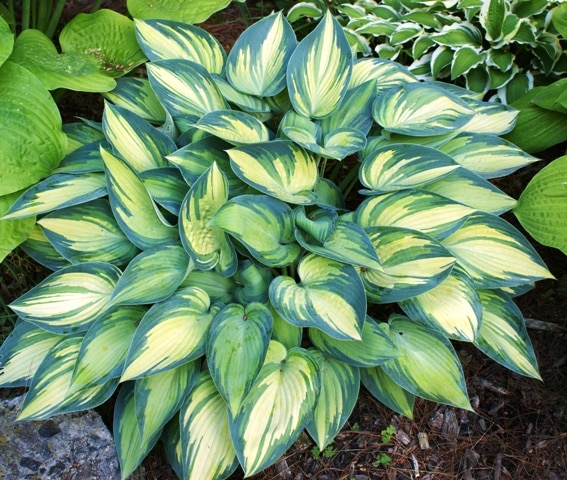
12. Hostas
Hostas grow into beautiful plants that have a very pleasant aroma. They prefer to stay in shaded areas with moist soil, but if given the light they will bloom and produce small purple flowers!
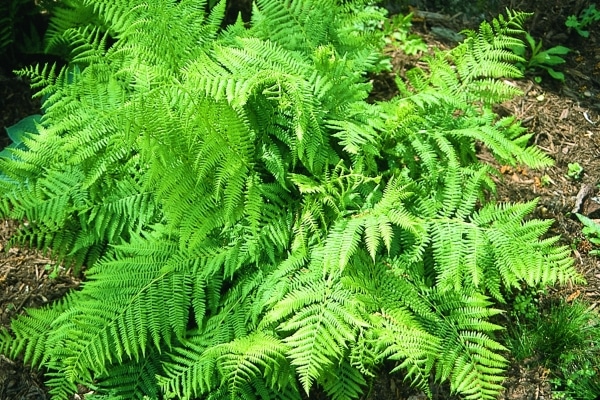
13. Lady Ferns
These plants are perfect for shady areas. The delicate fronds on these aquatic wonders grow up to 3 feet across and can be seen in the summer when they produce an abundance of flowers!
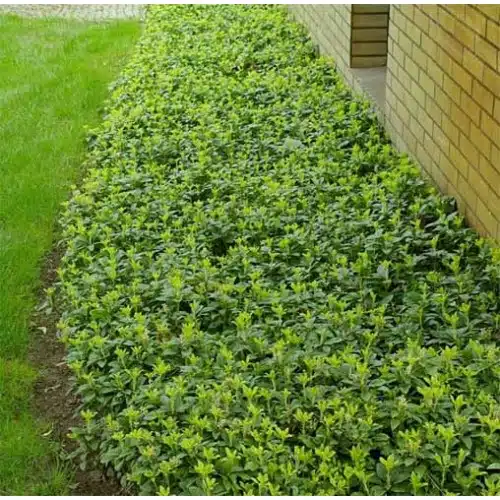
14. Japanese Spurge
The Japanese spurge is an evergreen, perennial plant that produces tiny white flowers in the spring.
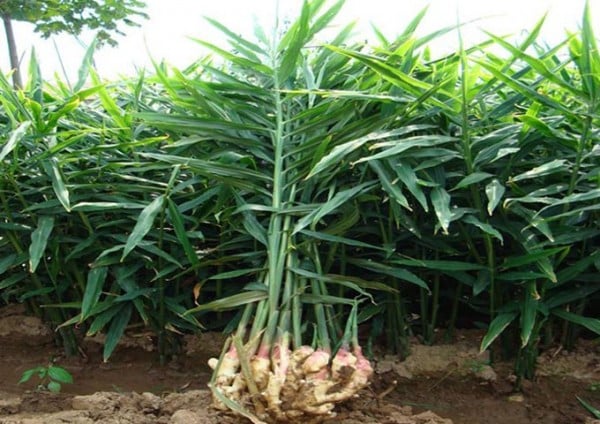
15. Ginger
Ginger is a culinary and medicinal herb that grows well in heavy shade. From the roots, you can make tea or season foods to name just two uses for this versatile plant!

You must be logged in to post a comment Login