Plants
9 Plants You Should Cut Back Before March (Or They’ll Struggle All Year)
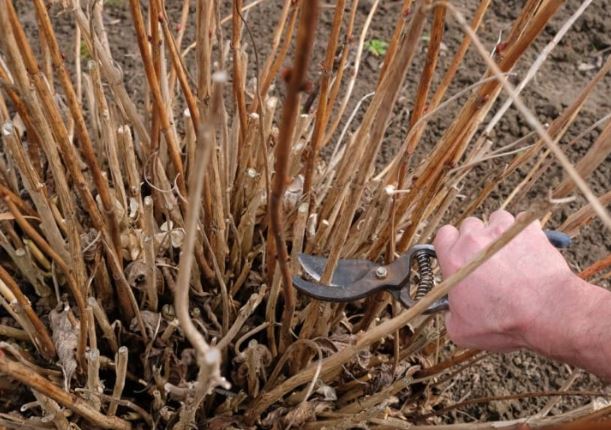
Late winter may feel like a quiet pause in the garden, but it’s actually one of the most important pruning windows of the entire year.
What you cut back – or fail to cut back – before March can determine whether plants thrive, bloom abundantly, or struggle with weak growth, disease, and poor flowering for the rest of the season.
Many popular garden plants rely on late-winter pruning to reset their growth cycle. Miss this window, and you risk cutting off flower buds, encouraging woody growth, or forcing plants to waste energy on old, unproductive stems.
Why Late-Winter Pruning Is So Important
Pruning before March offers several advantages:
- Plants are still dormant or semi-dormant
- Energy is stored in roots, ready for spring growth
- Old wood is easier to identify
- Disease and pests are minimal
- Fresh cuts heal quickly once growth resumes
Late-winter pruning encourages strong new shoots, better airflow, improved flowering, and healthier structure.
1. Lavender
Lavender is one of the most commonly mistreated plants in winter – and improper pruning is the main reason it becomes woody and stops blooming.
Why lavender needs pruning before March
Lavender blooms on new growth, not old woody stems. If you wait too long, the plant wastes energy maintaining dead wood instead of producing flowers.
How to cut it back
- Remove dead, frost-damaged tips
- Trim back up to one-third of the plant
- Stop before reaching hard, woody growth
- Maintain a rounded shape
What happens if you don’t
- Woody, leggy plants
- Fewer flower spikes
- Shorter bloom season
- Increased risk of rot
Late winter pruning sets lavender up for bigger, longer-lasting blooms in spring and summer.
2. Roses
Roses absolutely depend on late-winter pruning to perform well.
Why roses must be pruned before March
Most modern roses bloom on new season growth. Pruning before growth begins forces the plant to push out strong, productive canes.
How to prune roses
- Remove dead, thin, or crossing canes
- Cut back to outward-facing buds
- Reduce height by 30–50% depending on variety
- Open the center for airflow
What happens if you skip pruning
- Weak stems
- Fewer flowers
- Increased disease
- Tangled growth
Roses left unpruned often look full but bloom poorly all year.
3. Hydrangea (Panicle & Smooth Types)
Not all hydrangeas should be pruned early – but panicle (H. paniculata) and smooth (H. arborescens) types must be.
Why timing matters
These hydrangeas bloom on new wood, making late-winter pruning ideal.
How to prune correctly
- Cut stems back to 30–60 cm (12–24 inches)
- Remove weak or damaged branches
- Shape for structure
What happens if you don’t
- Floppy stems
- Smaller flower heads
- Poor plant shape
Skipping pruning leads to tall, weak plants that can’t support their blooms.
4. Buddleia (Butterfly Bush)
Buddleia grows fast – and without pruning, it quickly becomes messy and unproductive.
Why cut back before March
Butterfly bush blooms on new growth and responds best to hard pruning in late winter.
How to prune buddleia
- Cut back to 30–45 cm (12–18 inches)
- Remove all dead wood
- Focus on strong central stems
What happens if you don’t
- Tall, leggy plants
- Fewer flowers
- Blooming only at the top
Hard pruning produces massive flower spikes and a compact, manageable plant.
5. Ornamental Grasses (Deciduous Types)
Deciduous ornamental grasses must be cut back before new growth starts.
Why winter cutting is critical
Old blades block light and airflow, trapping moisture and encouraging disease.
How to cut back grasses
- Cut clumps down to 5–10 cm (2–4 inches)
- Remove debris from the center
- Wear gloves (edges can be sharp)
What happens if you don’t
- Weak new growth
- Mold and rot
- Messy appearance
New shoots emerge cleanly only if old growth is removed early.
6. Clematis (Group 3 Varieties)
Clematis pruning mistakes are common – but Group 3 clematis absolutely require late-winter pruning.
Why pruning is essential
These clematis bloom on current season growth.
How to prune
- Cut back to 30–45 cm (12–18 inches)
- Leave 2–3 strong buds per stem
- Remove weak growth
What happens if you don’t
- Flowers only at the top
- Tangled, weak vines
- Reduced flowering
Late-winter pruning creates full vines covered in blooms from bottom to top.
7. Perennial Salvias
Woody salvias benefit enormously from late-winter cutting.
Why prune before March
Salvia stores energy in its base and pushes new shoots when cut back early.
How to prune
- Remove dead stems
- Cut back to green growth
- Shape lightly
What happens if you don’t
- Woody, sparse plants
- Fewer flowers
- Shorter bloom season
Proper pruning encourages bushy growth and continuous flowering.
8. Figs (In Cooler Climates)
Fig trees grown in cooler regions need careful late-winter pruning.
Why timing matters
Pruning before March helps:
- Remove frost-damaged wood
- Control size
- Improve fruit production
How to prune
- Remove dead or weak branches
- Thin crowded growth
- Maintain open structure
What happens if you don’t
- Poor airflow
- Smaller fruit
- Increased disease risk
Late-winter pruning helps figs focus energy where it counts.
9. Grape Vines
Grapes are one of the most pruning-dependent plants in the garden.
Why grapes must be pruned early
Grapes fruit on one-year-old wood, and pruning controls both yield and vine health.
How to prune
- Remove up to 90% of old growth
- Leave strong, healthy canes
- Focus on structure
What happens if you don’t
- Excess foliage
- Poor fruit quality
- Increased pests and disease
Well-pruned grapevines produce fewer but far better clusters.
Plants You Should NOT Cut Back Before March
Just as important as knowing what to cut is knowing what to leave alone.
Do not prune early:
- Lilacs
- Forsythia
- Azaleas
- Rhododendrons
- Spring-flowering shrubs
These bloom on old wood, and early pruning removes flower buds.
Common Late-Winter Pruning Mistakes
Avoid these errors:
- Pruning too late (after growth starts)
- Cutting into woody, lifeless sections incorrectly
- Over-pruning weak plants
- Using dull or dirty tools
- Ignoring plant-specific timing
Clean tools and sharp cuts prevent disease and stress.
Tools You’ll Need for Proper Winter Pruning
- Sharp bypass pruners
- Loppers for thicker stems
- Disinfectant (alcohol or bleach solution)
- Gloves
- Garden waste bags
Clean tools between plants to avoid spreading disease.
How Late-Winter Pruning Sets the Tone for the Entire Season
Pruning before March:
- Directs plant energy efficiently
- Improves air circulation
- Encourages strong structure
- Increases flowering and fruiting
- Reduces disease pressure
Plants pruned at the right time don’t just survive – they perform at their best.
Late winter pruning isn’t just a gardening chore – it’s a strategic reset.
The plants you cut back before March respond with stronger growth, better shape, and dramatically improved performance throughout the year.

You must be logged in to post a comment Login