Plants
9 Best Wildflowers to Plant in November for a Blooming Spring Meadow
If you dream of a vibrant, natural-looking meadow bursting with color next spring, November is the perfect time to start. While most gardens are winding down for winter, wildflower seeds actually thrive when sown in cool soil. The chill helps break their dormancy—setting them up for strong germination and a spectacular show of blooms once the weather warms.
Here are 9 of the best wildflowers you can plant in November to guarantee a breathtaking spring display.
1. Cornflowers (Centaurea cyanus)
Cornflowers, or “bachelor’s buttons,” are hardy annuals that love being sown before winter. Their intense blue flowers attract bees and butterflies, and they self-seed easily for natural regrowth year after year.
Tip: Sow directly in sunny, well-drained soil and leave nature to do the rest.
2. Poppies (Papaver rhoeas)
Few flowers say “wild meadow” like the delicate red poppy. When sown in November, poppy seeds naturally overwinter and sprout as soon as temperatures rise.
Bonus: They’re deer-resistant and low-maintenance—ideal for lazy gardeners.
3. Oxeye Daisy (Leucanthemum vulgare)
This cheerful daisy is a classic wildflower that thrives in poor soils. Planting now allows the seeds to settle through winter moisture, resulting in lush, strong plants by spring.
Note: Perfect for mixing with grasses and other meadow perennials.
4. Red Campion (Silene dioica)
A shade-tolerant wildflower, Red Campion brings soft pink blooms to woodland edges and shady corners. November sowing helps mimic its natural cycle, ensuring early growth in spring.
5. Wild Lupine (Lupinus perennis)
Loved for its tall spires of purple-blue flowers, wild lupine is a magnet for pollinators—especially bees and butterflies. Early planting helps the seeds scarify naturally during frosty nights.
Soil Tip: Prefers sandy, well-drained conditions.
6. Field Scabious (Knautia arvensis)
Known as the “butterfly flower,” field scabious produces soft lavender blooms from late spring through summer. Plant the seeds now so they can benefit from the winter cold for proper germination.
7. Black-eyed Susan (Rudbeckia hirta)
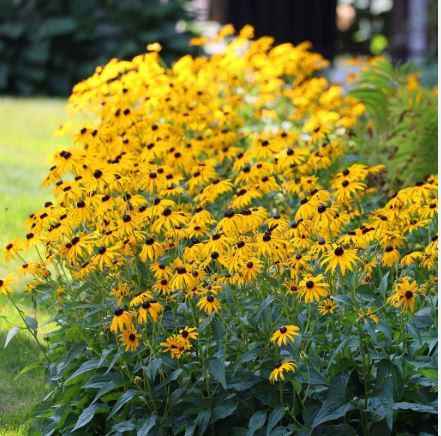
A sunny favorite, Black-eyed Susan brightens up any meadow with its bold yellow petals and dark centers. Though often treated as an annual, November sowing helps it act like a perennial in mild climates.
8. Yarrow (Achillea millefolium)
This resilient wildflower is both tough and beautiful. It produces clusters of tiny white or pink blooms that attract beneficial insects. Sow in late autumn for strong, early growth in spring.
Fun fact: Yarrow also makes an excellent natural ground cover.
9. Forget-Me-Nots (Myosotis sylvatica)
Delicate, sky-blue flowers appear in early spring, making forget-me-nots perfect for the front of meadows or borders. November planting ensures they bloom early and abundantly next year.
Pro tip: Combine with poppies for a dreamy color contrast.
How to Plant Wildflowers in November
-
Choose your spot: Pick an open, sunny area with low fertility soil.
-
Prepare the ground: Rake away weeds and loosen the top inch of soil.
-
Scatter seeds evenly: Mix with sand for even distribution.
-
Rake lightly: Just enough to cover the seeds without burying them too deep.
-
Let nature do the rest: Rain and frost will help settle the seeds through winter.
The Reward: A Self-Sustaining Meadow
By planting wildflowers in November, you’re working with nature, not against it. The cold season primes the seeds for germination, leading to earlier blooms and healthier plants in spring. Best of all, your meadow will attract pollinators, support biodiversity, and require minimal upkeep.

You must be logged in to post a comment Login