Plants
7 Essential Things to Do with Your Christmas Cactus This October for Big Blooms
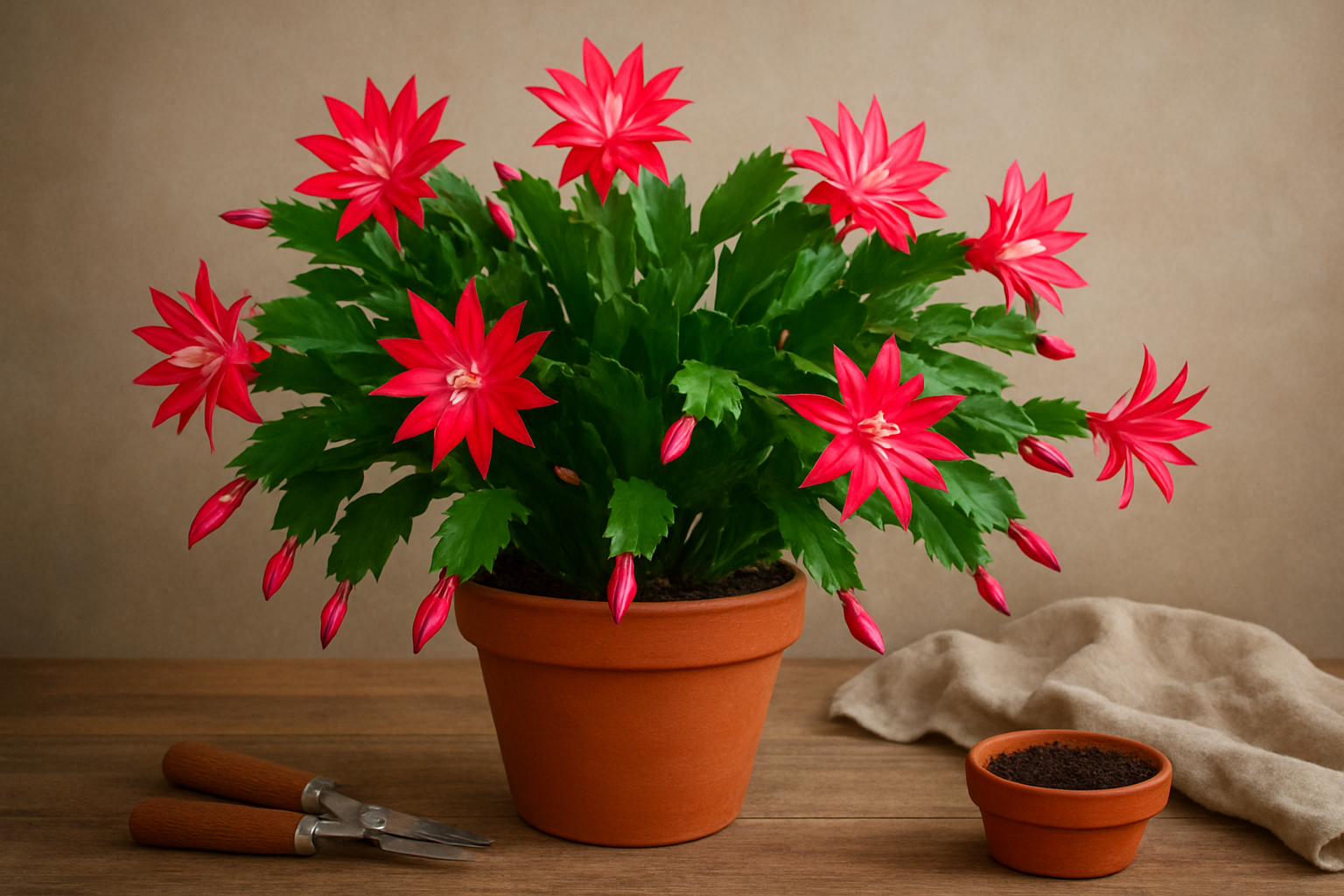
The Christmas cactus (Schlumbergera spp.) is one of the most beloved winter houseplants – and for good reason.
When cared for properly, it rewards you with a spectacular display of flowers right in time for the holiday season, brightening your home when most other plants have gone dormant.
But if you’ve ever been disappointed by sparse blooms – or none at all – the reason often comes down to one thing: how you care for it in October.
Why October Care Is Crucial for Christmas Cactus
To understand why October is so important, it helps to know a little about how Christmas cactus grows. Unlike desert cacti, Schlumbergera is a tropical epiphyte native to the rainforests of Brazil.
It grows on tree branches, thriving in cool, shady, and humid environments. Its natural blooming cycle is triggered by changes in day length, temperature, and moisture – all of which occur in autumn.
Here’s what typically happens:
- September to October: The plant enters its pre-bloom phase, forming tiny flower buds if conditions are right.
- November to December: Buds develop and open, leading to the full bloom display.
- January to February: The flowering period winds down, and the plant enters a resting phase.
This means October is when the magic begins. It’s your one-month window to provide the right cues that will tell your plant, “It’s time to bloom!”
1. Reduce Watering to Signal Dormancy
One of the biggest mistakes people make is continuing summer watering habits into fall. In October, your Christmas cactus needs less water – and giving it too much can prevent bud formation.
Why It Matters
Christmas cacti form buds when they experience a slight stress period, similar to what they would encounter in nature as rainfall decreases in autumn.
Continued frequent watering keeps the plant in “growth mode,” delaying or preventing flowering.
How to Do It Right
- Water less frequently: Instead of watering once a week, switch to every 2–3 weeks in October.
- Check soil moisture: Always let the top 2 inches of soil dry out before watering again.
- Avoid waterlogging: Never let the plant sit in standing water, as soggy roots can lead to rot.
- Use lukewarm water: Cold water can shock the roots and slow bud development.
Pro Tip: If your home is dry, mist the plant lightly once a week to maintain humidity without overwatering the soil.
2. Give It a “Short Day, Long Night” Light Cycle
Day length is one of the most powerful natural signals that trigger Christmas cactus blooming.
In the wild, as days shorten and nights grow longer, the plant knows it’s time to prepare for reproduction. You can mimic this at home – and October is the perfect time to start.
Why It Matters
Christmas cacti are short-day plants, meaning they need long periods of darkness (about 12–14 hours) to form buds. Without this light cue, they’ll remain in vegetative growth and won’t bloom.
How to Do It Right
- Provide 12–14 hours of darkness: Place the plant in a completely dark room or cover it with a breathable cloth or box each evening.
- Avoid artificial light: Even a brief exposure to artificial light during the dark period can disrupt bud formation.
- Time it carefully: Do this for 4–6 weeks starting in early October. Buds should start forming by late October or early November.
Pro Tip: A simple way to achieve this is to move the plant into a closet or unused room at 7 p.m. and bring it back into light around 8 a.m. each day.
3. Lower the Temperature to Mimic Autumn Conditions
Temperature is another critical factor in triggering blooming. In their natural environment, Christmas cacti experience cooler nights in the fall – and this temperature drop is a key signal to start bud development.
Why It Matters
Cooler temperatures slow down vegetative growth and stimulate flower bud initiation. Warm conditions, on the other hand, keep the plant in its leafy growth phase.
How to Do It Right
- Ideal temperature range: Keep your cactus in a room where nighttime temperatures drop to 55–60°F (13–16°C).
- Avoid sudden changes: Drastic shifts in temperature can stress the plant and cause bud drop.
- Don’t place near heat sources: Keep it away from heaters, fireplaces, and vents.
- Outdoor option: If nighttime temperatures are mild (but above 50°F / 10°C), place the plant outdoors for a few weeks in a shaded area to simulate natural conditions.
Pro Tip: A combination of cooler nights and shorter days will supercharge bud production.
4. Stop Fertilizing to Let Buds Form
While fertilizing is essential during the growing season (spring and summer), October is the time to stop. Continued feeding at this stage encourages leaf and stem growth rather than flower formation.
Why It Matters
High nitrogen levels – common in most fertilizers – tell the plant to keep growing instead of switching to reproduction mode. Reducing or stopping fertilizer in fall helps redirect energy into bud development.
How to Do It Right
- Stop feeding by early October: This gives the plant time to shift its energy from growth to flowering.
- Resume after flowering: Wait until spring to start fertilizing again, when the plant enters active growth.
- If needed, use bloom boosters: If your plant seems weak, you can give a one-time dose of low-nitrogen, high-phosphorus fertilizer (e.g., 5-10-10) in early October – but only once.
Pro Tip: If you prefer organic methods, a diluted seaweed or bone meal solution in early October can help support bud formation without overstimulating leaf growth.
5. Prune Lightly – or Not at All
Pruning plays a role in Christmas cactus health, but timing is everything. While pruning in early summer can encourage bushier growth and more blooms, October is not the time for major cuts.
Heavy pruning now can remove potential budding sites and stress the plant just before flowering season.
Why It Matters
Flower buds form on the ends of the segments – so cutting them off means fewer blooms. Pruning also signals the plant to grow new segments, which delays blooming.
How to Do It Right
- Minimal trimming: Only remove dead, diseased, or damaged segments in October.
- No heavy cuts: If you need to shape or propagate the plant, wait until after flowering in late winter or early spring.
- Pinch in summer: For future reference, the best time to pinch back the plant for fuller growth is June or July.
Pro Tip: If you accidentally pruned too late, don’t worry – the plant will still bloom, but likely with fewer flowers this season.
6. Adjust Its Position and Light Exposure
Where you place your Christmas cactus in October can make a big difference in its blooming success.
Too much sun, drafts, or constant movement can all prevent buds from forming or cause them to fall off before opening.
Why It Matters
Christmas cacti prefer bright, indirect light and stable conditions during the pre-bloom phase. Moving the plant too often or exposing it to stressors can disrupt its blooming cycle.
How to Do It Right
- Choose a bright but shaded location: A north- or east-facing window is ideal. Avoid harsh afternoon sunlight, which can scorch leaves.
- Keep it stable: Once buds form, do not move the plant. Even rotating it can cause bud drop.
- Avoid drafts: Keep it away from frequently opened doors, windows, and air vents. Sudden temperature changes can stress the plant.
- Increase humidity: Use a pebble tray or humidifier if indoor air is dry, as Christmas cacti prefer humidity levels around 50–60%.
Pro Tip: If you must move the plant (for example, to ensure proper darkness), do it gently and at the same time each day.
7. Watch for Pests and Disease Before Bloom Season
The last thing you want is for pests or disease to sabotage your holiday blooms.
Unfortunately, common houseplant pests like spider mites, mealybugs, and fungus gnats love the warm, dry indoor air of fall. A weakened or stressed plant will struggle to form healthy buds.
Why It Matters
Pest infestations divert the plant’s energy away from flowering. Fungal diseases can also attack roots or leaves, reducing overall health and bloom potential.
How to Do It Right
- Inspect weekly: Check the undersides of segments, stems, and soil for signs of pests.
- Wipe leaves: Clean segments gently with a damp cloth to remove dust and potential pest eggs.
- Use natural pest control: Spray with neem oil or insecticidal soap if you notice any bugs.
- Avoid overwatering: Moist, stagnant soil encourages root rot and fungus.
- Quarantine new plants: Keep any new houseplants away from your Christmas cactus for at least 2 weeks to avoid introducing pests.
Pro Tip: A healthy Christmas cactus is naturally resistant to most pests. Keeping humidity balanced and soil conditions stable is your best defense.
Bonus Tip: The Final Countdown – What to Do Once Buds Appear
By mid- to late October, if you’ve followed the steps above, you should start to see tiny buds forming at the tips of the segments.
At this point, your plant’s needs change slightly:
- Resume regular watering: Once buds appear, water when the top inch of soil is dry – never let it completely dry out.
- Do not move the plant: Sudden changes in light or temperature can cause buds to drop.
- Avoid fertilizing: Continue holding off on fertilizer until after flowering.
- Support with humidity: Buds develop best in 50–60% humidity.
If all goes well, your Christmas cactus will reward you with a spectacular show of blooms from late November through January – just in time for the holidays.
Common Mistakes to Avoid in October
Even seasoned gardeners sometimes make these errors, which can mean the difference between a full bloom and a disappointing winter:
- Overwatering: This is the #1 reason Christmas cacti fail to bloom.
- Too much light: Direct sun can inhibit bud formation.
- Warm nights: If nighttime temps stay above 68°F (20°C), buds may not form.
- Skipping darkness: Even a few nights of too much light can reset the blooming clock.
- Moving the plant too often: This is the most common cause of bud drop.
Caring for your Christmas cactus in October is like setting the stage for a grand performance.
With the right combination of reduced watering, controlled light and temperature, proper feeding practices, and careful handling, you’ll create the ideal environment for your plant to enter its blooming phase.

You must be logged in to post a comment Login