Plant Care, Soil & Tips
6 Reasons Why Your Snake Plant Never Produces Pups (And How to Fix It)
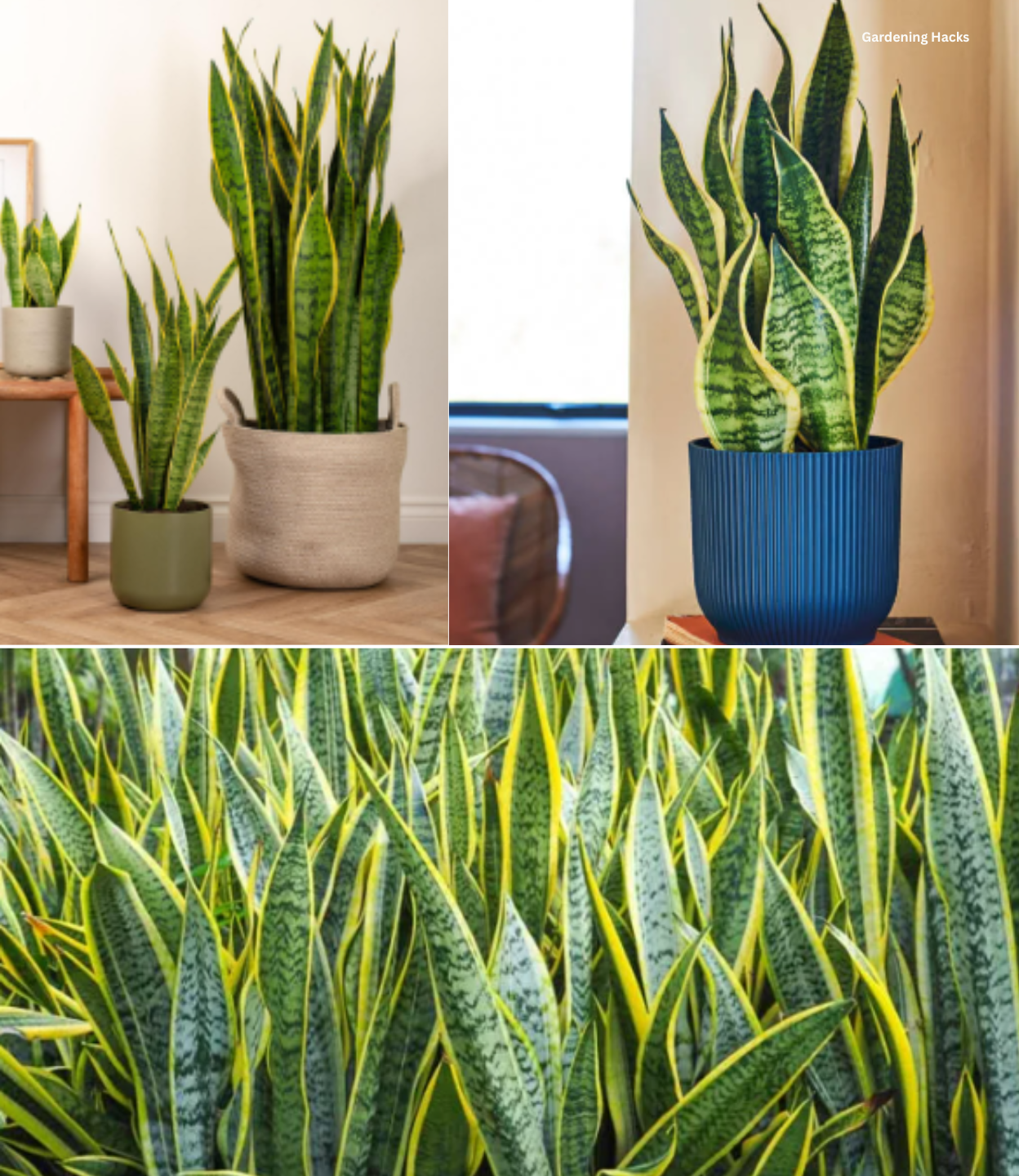
Snake plants (Sansevieria) are beloved for their hardy nature and ability to thrive in low-light conditions. One of the joys of growing a snake plant is watching it produce pups—small offshoots that grow from the base of the mother plant. However, if your snake plant isn’t producing pups, there may be several reasons why. Here are six common issues and how you can fix them.
1. Lack of Sufficient Light
Why It Happens:
While snake plants can survive in low-light conditions, they need adequate light to grow and propagate. If your plant is in a dark corner with minimal exposure to indirect sunlight, it may not have the energy to produce pups.
How to Fix It:
Move your snake plant to a brighter location where it can receive indirect sunlight for at least 6-8 hours a day. If natural light is limited, consider using a grow light to supplement its needs.
2. Overwatering or Underwatering
Why It Happens:
Snake plants are drought-tolerant and prefer their soil to dry out between waterings. Overwatering can cause root rot, while underwatering can stress the plant, both of which hinder pup production.
How to Fix It:
Water your snake plant only when the top two inches of soil are dry. Ensure the pot has drainage holes to prevent excess moisture from accumulating.
3. Root Bound Conditions
Why It Happens:
A snake plant that has outgrown its pot may struggle to produce pups due to overcrowded roots. If the plant’s roots are tightly packed with little room to expand, new growth may be suppressed.
How to Fix It:
Check if your plant’s roots are circling the pot. If so, repot your snake plant into a slightly larger container with fresh, well-draining soil.
4. Poor Soil Quality
Why It Happens:
Heavy, compacted, or nutrient-poor soil can limit root expansion and reduce the plant’s ability to send out pups. Snake plants thrive in well-draining, aerated soil.
How to Fix It:
Use a cactus or succulent mix with sand or perlite to improve drainage. Avoid heavy garden soil that retains too much moisture.
5. Lack of Nutrients
Why It Happens:
If your snake plant lacks essential nutrients, it may prioritize survival over reproduction. A nutrient deficiency, particularly in nitrogen, phosphorus, and potassium, can slow pup development.
How to Fix It:
Feed your snake plant with a balanced, diluted fertilizer every 4-6 weeks during the growing season (spring and summer). Avoid over-fertilizing, as this can harm the plant.
6. Temperature and Humidity Stress
Why It Happens:
Snake plants prefer temperatures between 60-80°F (15-27°C). Extreme cold or heat can stress the plant and prevent it from producing pups.
How to Fix It:
Keep your plant in a stable environment away from drafty windows, heating vents, or air conditioners. If humidity is too low, occasional misting may help, though snake plants generally tolerate dry air well.
Final Thoughts
A healthy snake plant will naturally produce pups when given the right conditions. By adjusting light exposure, watering habits, pot size, soil quality, and nutrient intake, you can encourage your snake plant to propagate and thrive. With a little patience and proper care, you’ll soon see new pups emerging from the base of your plant!

You must be logged in to post a comment Login