Plants
5 Things to Do with Your Christmas Cactus in September for Maximum Blooms
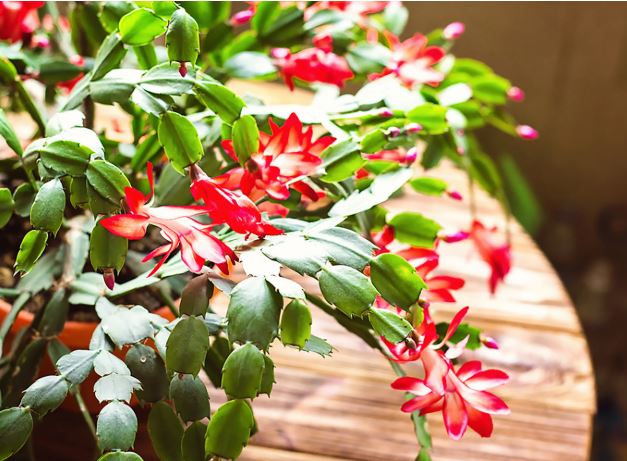
The Christmas cactus (Schlumbergera spp.) is one of the most beloved winter-blooming houseplants, known for its spectacular cascades of flowers that brighten up the holiday season.
Unlike traditional desert cacti, Christmas cactus hails from the rainforests of Brazil, where it thrives in humid, shady environments.
Its unique needs often puzzle gardeners, and the key to ensuring a brilliant bloom lies in seasonal care.
September is the make-or-break month for your Christmas cactus. This is the time when the plant transitions from its summer growth phase into its bloom preparation cycle.
What you do in this month will determine whether you’ll enjoy lush, vibrant blossoms in late fall and winter – or end up with a cactus that produces few or no flowers.
Why September Is Critical for Christmas Cactus Blooming
Before diving into the specific steps, it’s important to understand why September is such a pivotal month.
Daylight changes: As daylight hours begin to shorten, Christmas cactus responds to the cues that tell it bloom season is coming.
Temperature shifts: Cooler nights in September simulate the plant’s native environment and encourage flower bud formation.
Growth slowdown: After a vigorous summer growth spurt, the plant naturally slows down, conserving energy for bloom production.
By aligning your care with these natural cycles, you’re essentially “tricking” the plant into believing it’s in its ideal Brazilian rainforest environment – resulting in abundant, colorful blooms right on time for the holidays.
1. Adjust Watering for Pre-Bloom Conditioning
Watering is the single most important factor in September care. Many growers unknowingly overwater or underwater their plants during this transition period.
How to Water in September
Reduce frequency: In summer, your Christmas cactus may have needed water every 5–7 days. In September, start spacing this out to every 10–14 days, depending on your climate and indoor humidity.
Use the finger test: Insert your finger 1–2 inches into the soil. If it feels dry, it’s time to water. If it’s damp, wait a few days.
Water deeply, then drain: When you do water, soak the soil thoroughly until water runs out of the drainage holes, then discard any excess water from the saucer.
Why This Works
This slight reduction in watering mimics the drier conditions the plant experiences before its bloom cycle in the wild. It tells the cactus: “Time to shift energy from leaves to flower buds.”
Pro Tips
- Never let the soil stay soggy – this can cause root rot.
- Don’t let it dry out completely either – too much stress can delay or prevent blooming.
- If your indoor air is very dry, mist the leaves occasionally to maintain humidity.
2. Begin Light and Temperature Regulation
Christmas cactus is a short-day plant, which means it needs long nights and short days to initiate blooming.
September is the time to start adjusting light and temperature to trigger this process.
Light Requirements in September
12–14 hours of darkness: Place your plant in a room where it naturally gets long nights. Alternatively, cover it with a dark cloth or box from evening to morning.
Bright indirect light during the day: Set your cactus near an east- or north-facing window where it gets filtered daylight without direct sun.
Temperature Needs
Cool nights (50–60°F / 10–15°C): Exposure to slightly cooler night temperatures encourages bud formation.
Warm days (65–70°F / 18–21°C): Keep daytime temperatures mild to prevent stress.
Pro Tips
- Avoid placing the plant near heat vents, radiators, or drafts – these sudden changes can make it drop buds.
- If nights are naturally cool in your region, you can move the cactus outdoors for a few weeks (but bring it inside before frost).
3. Transition Fertilizing for Bud Formation
Nutrition plays a critical role in preparing your Christmas cactus for blooming. September is when you shift from growth fertilizer to bloom booster.
Fertilizer Schedule in September
Stop high-nitrogen feeding: Fertilizers rich in nitrogen encourage leaf and stem growth, which you don’t want now.
Switch to phosphorus and potassium: Use a fertilizer with a ratio like 5-10-10 or 2-7-7, which promotes strong flower bud development.
Frequency: Feed every 2–4 weeks until late October, then stop until after blooming.
Why This Works
Phosphorus: Stimulates flower bud initiation and enhances bloom quality.
Potassium: Strengthens the plant and helps sustain prolonged blooming.
Homemade Fertilizer Hack
- Mix banana peel water (rich in potassium) and a pinch of Epsom salt (provides magnesium, essential for chlorophyll production).
- Use this as a natural fertilizer once a month.
4. Prune and Repot Strategically (If Needed)
September is also the last chance to do light pruning or repotting before blooming season.
Pruning
Why prune: Trimming leggy stems encourages branching, which leads to more flowers per plant.
How to prune: Use clean scissors to snip 1–2 segments off the ends of each stem. You can root these cuttings in fresh soil to grow new plants.
Repotting
- When to repot: Only repot if your cactus is rootbound or the soil is old and compacted.
- Potting mix: Use a loose, well-draining mix (equal parts potting soil, perlite, and orchid bark works well).
- Pot size: Choose a container only slightly larger than the current one; Christmas cactus blooms best when slightly rootbound.
Warning
Avoid heavy pruning or repotting too late in September, as this can stress the plant and prevent it from setting buds.
5. Create a Rest Period to Trigger Blooms
Perhaps the most overlooked step in September is giving your plant a resting phase. This “quiet time” helps redirect the plant’s energy from foliage growth to flower production.
How to Provide Rest
- Reduce watering slightly (as mentioned in Step 1).
- Stop heavy feeding after mid-October.
- Provide consistent dark periods at night (as in Step 2).
Signs of Bud Development
By late September to early October, you should notice tiny nubs forming at the ends of the stems.
These are your future flowers. Handle the plant gently at this stage – any stress can cause buds to drop.
Extra Tips for Maximizing Blooms
- Rotate the pot weekly: This ensures even light exposure and symmetrical bud development.
- Maintain high humidity: Place a tray of water and pebbles under the pot to raise local humidity.
- Avoid moving the plant once buds form: Even slight relocations can cause bud drop.
- Companion plants: Keep near ferns or orchids to mimic rainforest-like humidity.
Troubleshooting: Common Problems in September
| Problem | Cause | Fix |
|---|---|---|
| Buds not forming | Too much light at night, too warm | Ensure 12–14 hrs of darkness, lower night temps |
| Yellowing leaves | Overwatering or poor drainage | Allow soil to dry slightly, repot if compacted |
| Bud drop | Drafts, sudden relocation, inconsistent watering | Keep plant in stable conditions |
| Stunted growth | Lack of nutrients | Switch to bloom fertilizer |
September is the golden month for Christmas cactus care.
By adjusting watering, controlling light and temperature, shifting fertilizer, pruning strategically, and creating a rest period, you give your plant exactly what it needs to set flower buds.
Follow these five essential steps, and by the time the holidays arrive, you’ll be rewarded with lush cascades of blooms that last for weeks – bringing color, joy, and beauty to your home.

You must be logged in to post a comment Login