Plants
30 Powerful Reasons You Should Stop Ignoring Purslane
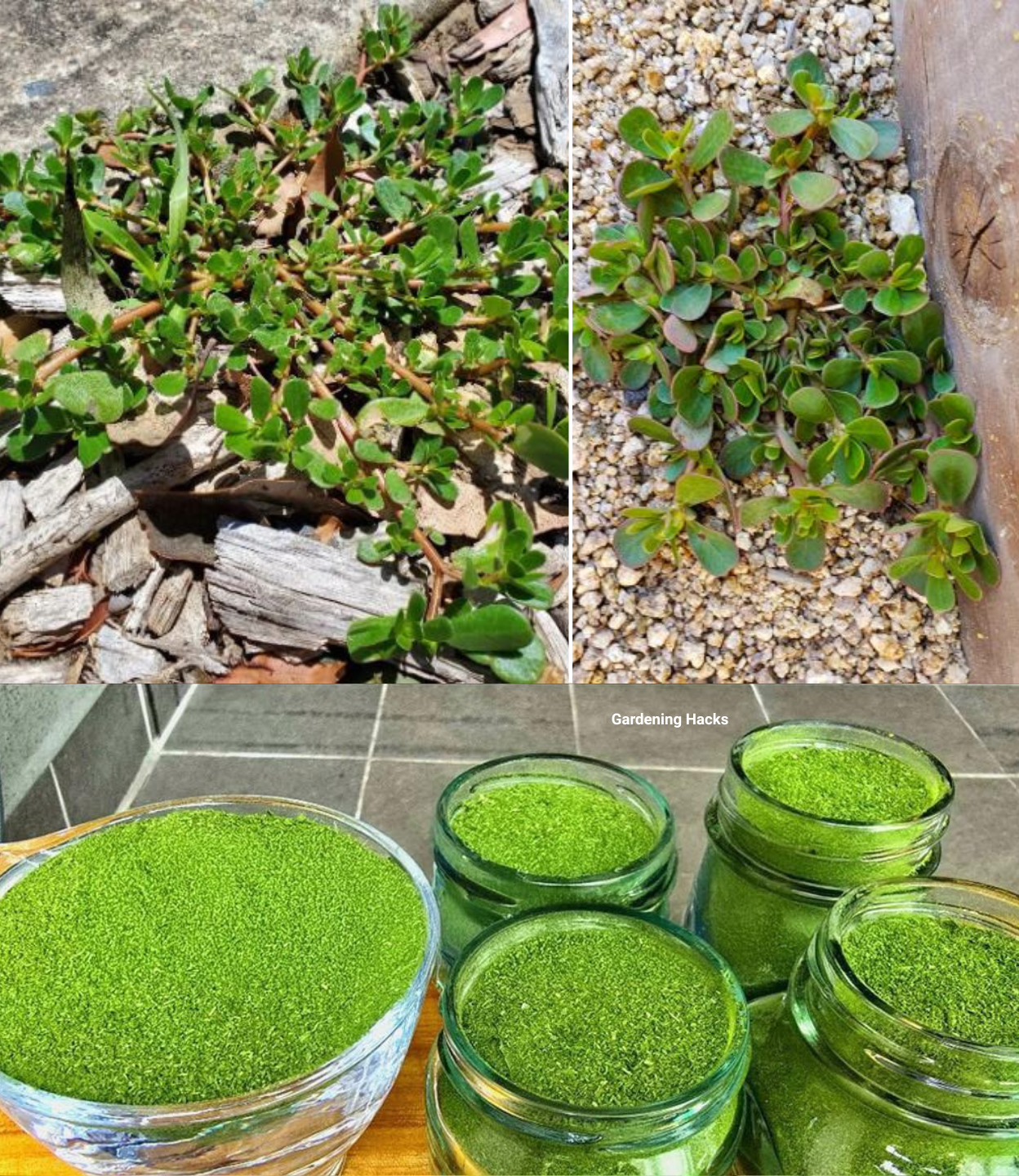
Purslane may be the most nutritious plant you’ve never heard of—or worse, the one you’ve been pulling out of your garden and tossing in the trash. Often mistaken for a weed, purslane (Portulaca oleracea) is actually a nutritional powerhouse with centuries of history in traditional medicine and culinary use across the globe.
If you’re overlooking this humble groundcover, it’s time to reconsider. Here are 30 powerful reasons why you should stop ignoring purslane and start embracing it instead.
1. Rich in Omega-3 Fatty Acids
Purslane contains more omega-3 fatty acids than any other leafy vegetable, particularly alpha-linolenic acid (ALA)—essential for brain health, heart health, and reducing inflammation.
2. High in Antioxidants
Loaded with vitamins A, C, and E, as well as glutathione and beta-carotene, purslane fights free radicals and supports healthy aging.
3. Excellent Source of Magnesium
Magnesium is critical for over 300 enzymatic reactions in the body. Purslane delivers a solid dose to help with muscle function, nerve transmission, and energy production.
4. Anti-Inflammatory Properties
Its high omega-3 content, combined with plant-based antioxidants, makes purslane a natural anti-inflammatory food—helpful for joint pain, arthritis, and autoimmune conditions.
5. Supports Heart Health
By lowering bad cholesterol and reducing inflammation, purslane may help lower your risk of cardiovascular disease.
6. Aids in Weight Loss
Low in calories but high in fiber and water, purslane helps you feel full longer—making it a perfect addition to weight management diets.
7. Rich in Potassium
Potassium helps regulate blood pressure and fluid balance. Purslane is a natural source that supports heart and kidney health.
8. Improves Digestive Health
Purslane’s mucilaginous texture soothes the digestive tract and its high fiber content promotes regular bowel movements.
9. Boosts Immunity
With a potent cocktail of vitamins and antioxidants, purslane supports immune function and helps your body fight off infections.
10. Packed with Iron
Iron is vital for oxygen transport and energy. Purslane contains plant-based (non-heme) iron—especially valuable for vegetarians and vegans.
11. Helps Regulate Blood Sugar
Studies suggest that purslane may improve insulin sensitivity and regulate blood glucose levels, making it potentially helpful for type 2 diabetes.
12. Natural Source of Melatonin
Purslane contains melatonin—a hormone that regulates your sleep-wake cycle. Eating it may promote better sleep and support circadian rhythms.
13. Supports Eye Health
Thanks to its high levels of vitamin A, lutein, and beta-carotene, purslane may protect against age-related macular degeneration and improve vision.
14. Good for Skin
Purslane is a common ingredient in natural skincare products due to its anti-aging and anti-inflammatory effects on the skin.
15. Wound Healing
Traditional medicine uses purslane to speed up healing of cuts, burns, and insect bites due to its antibacterial and soothing properties.
16. Grows Almost Anywhere
Purslane is drought-resistant and thrives in poor soils, making it an accessible food source in nearly every climate.
17. No Cost to Grow
It’s often found growing wild and requires little maintenance, which means you can forage or grow it at zero cost.
18. Culinary Versatility
With a slightly lemony, peppery flavor, purslane works in salads, stir-fries, soups, smoothies, and pickles.
19. Kid-Friendly Texture
Its crunchy texture and mild taste make it an easy green to introduce to kids or picky eaters.
20. Good for Detoxification
The plant’s fiber content and mucilage can help bind toxins and support natural detoxification processes.
21. Improves Cognitive Function
Omega-3s and antioxidants in purslane may support brain health, improving memory, focus, and even reducing the risk of neurodegenerative diseases.
22. Alkalizing Effect on the Body
Purslane helps balance your body’s pH levels, reducing acidity which is often linked to chronic disease.
23. Supports Bone Health
Calcium, magnesium, and vitamin K in purslane work together to maintain strong, healthy bones.
24. Can Help Lower Anxiety
Its magnesium and melatonin content may have a calming effect on the nervous system, helping reduce anxiety symptoms.
25. Environmentally Sustainable
As a fast-growing, hardy plant that requires minimal water and fertilizers, purslane is an eco-friendly crop.
26. Traditional Medicinal Use
Used in Ayurvedic, Traditional Chinese Medicine, and Greek folk medicine, purslane has treated conditions from dysentery to headaches.
27. Can Be Juiced or Blended
Great for green juices or smoothies, purslane adds both nutrition and a refreshing flavor.
28. May Support Hormonal Balance
Some compounds in purslane can help regulate hormonal functions, including those involved in menstruation and fertility.
29. Easy to Preserve
Purslane can be frozen, dried, or pickled to extend its shelf life without losing much nutritional value.
30. Underrated Superfood
Despite being called a weed, purslane has a nutritional profile that rivals—if not surpasses—common superfoods like kale and spinach.
Final Thoughts
It’s time to stop ignoring purslane and start celebrating it. Whether you’re looking to boost your nutrition, heal your gut, fight inflammation, or just try something new in your kitchen—purslane is a smart, sustainable, and delicious choice.
Next time you see it growing wild or at your local farmer’s market, don’t walk past it. Pick it up—or better yet, grow it yourself.
Nature’s best medicine might just be hiding in plain sight.

You must be logged in to post a comment Login