Gardening Guide
15 Shrubs to Grow From Cuttings + How to Do it
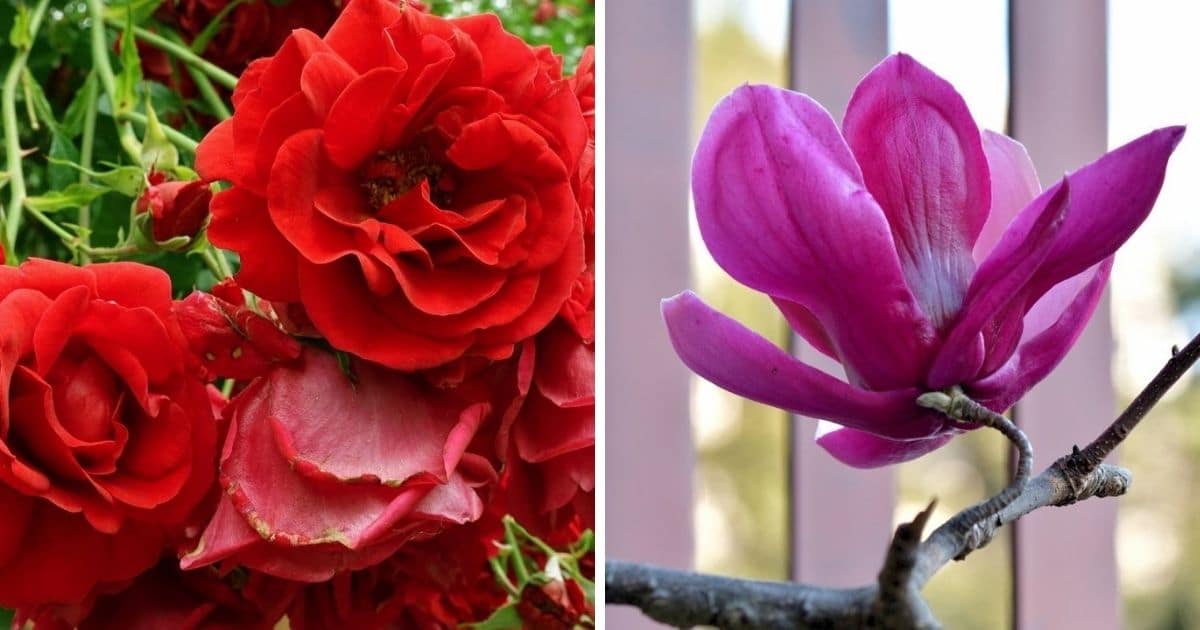
Growing a plant from your garden is not only rewarding, but it’s also an exciting experience. You can feel the connection between yourself and all of your plants when you know that they were grown by you- not just bought at some gardening nursery!
For those who like to start their own gardens or add new foliage in landscaping projects, growing from cuttings may be the best way for them to go about doing so – with less money spent overall on these purchases. You may be familiar with propagation, but likely you have not seen it done before.
Propagation is the act of replicating a plant and making more plants from things like cuttings or clippings. One way to do this is by taking shrub cuttings-that’s right! You can make your own little mini trees in just about any shape imaginable (except for upside down).
Shrubs You Can Grow From Cuttings
The variety of garden shrubs that grow from cuttings is quite diverse. These fifteen, listed below, tend to root quickly and regrow into full-grown independent plants in a relatively short time period.
1. Azaleas
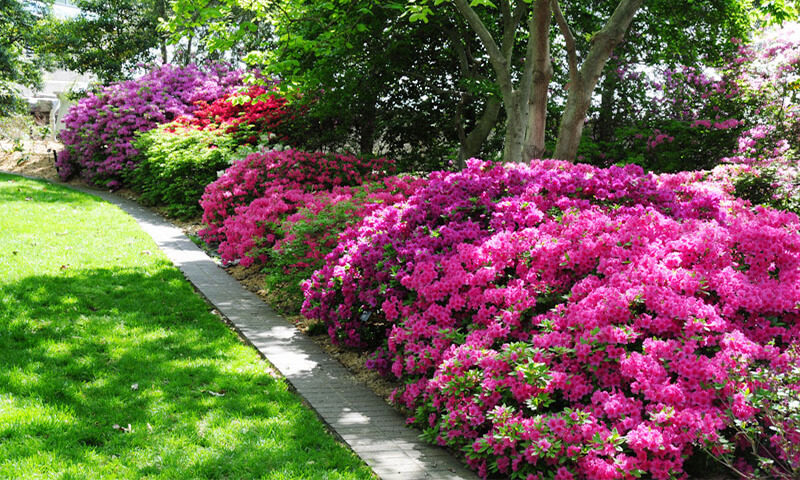
Azaleas are a great flowering plant that comes in many colors, including pink, purple, red and white. They can be grown anywhere as they’re low-maintenance shrubs with colorful flowers to add color to any garden or yard space.
Growing your own azalea from a cutting will ensure the new plants look exactly like the original due to their durability and consistency; seedlings might not always turn out this way since they combine the genetics of two different plants which leads to less consistent results each time.
2. Butterfly Bushes

Butterfly bushes are pollinator plants, as the name implies. The attractive shrub will draw butterflies and other insects into your garden; keeping all of your plants healthy and happy. To propagate this plant, take a branch tip cutting in the spring or summer during its softwood phase (or anytime from late fall through winter).
3. Blueberries
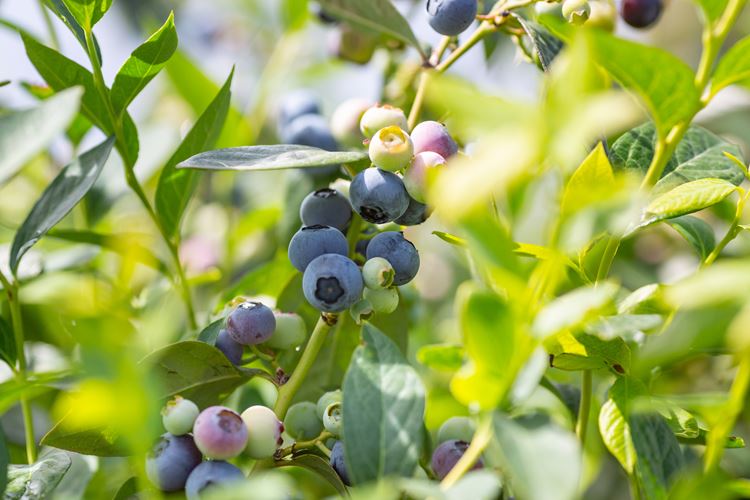
Blueberries are an invigorating summertime snack. Dozens of blueberry bushes line the ground each season and produce berries galore! You can grow these shrubs in your garden year round too, using either hardwood or soft wood cuttings.
4. Crape Myrtle
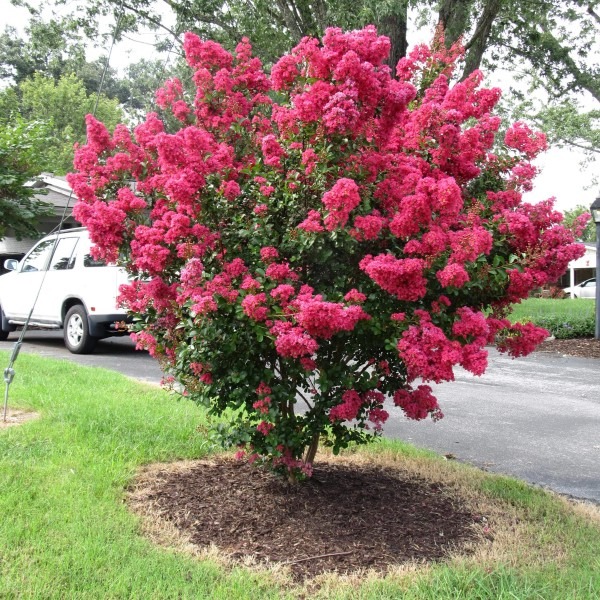
Crape myrtles are a great option for landscaping due to their stunning flowers and strong, reliable roots. The crape myrtle is deciduous shrub or small tree that may have variable symmetrical form with multi-stemmed growth pattern.
Crapes produce clusters of flower ranging in color from purple through white and pink up to reds making them an excellent choice for adding variety across your property during the summer months as well as throughout fall when most other flowering plants stop producing blooms!
Crape Myrtles can be propagated by taking cuttings at anytime but it’s best if you take care not to do so while they’re still actively growing.
5. Elderberry
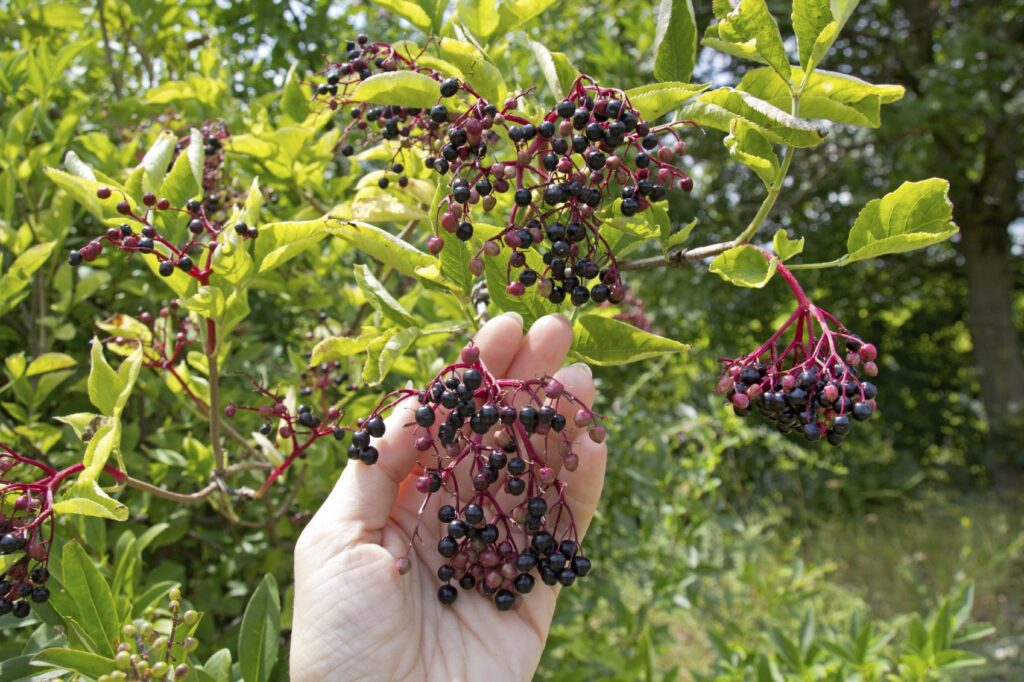
Elderberries are a delicious fruit, that is commonly made into preserves and pies. It contains properties to strengthen the immune system which makes it perfect for easing colds during this time of year! The best way to grow elderberry plants from cuttings involves taking them in early spring when they’re just coming out of their dormant period.
6. Forsythia
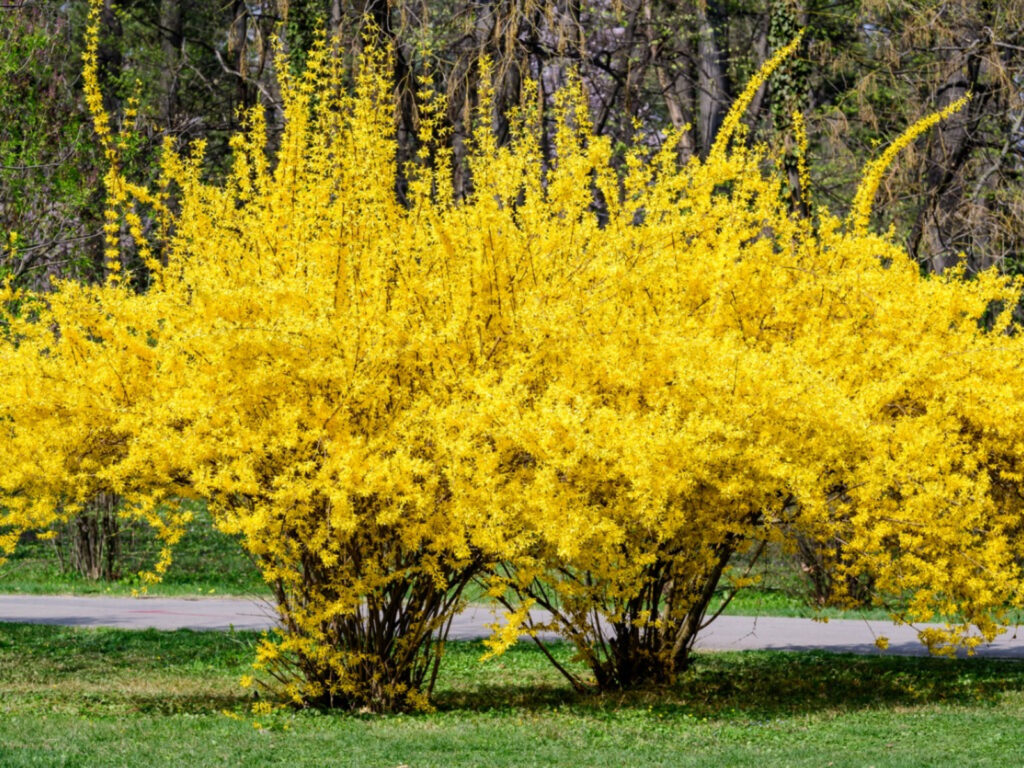
Forsythia bushes are a plant that comes to life in the spring, bringing color and joy with their bright yellow blooms. A Forsythia shrub can be cut at any time of year as it grows through different phases: softwood, semi-hardwood or hard wood; making propagation easy for all gardeners!
7. Honeysuckle
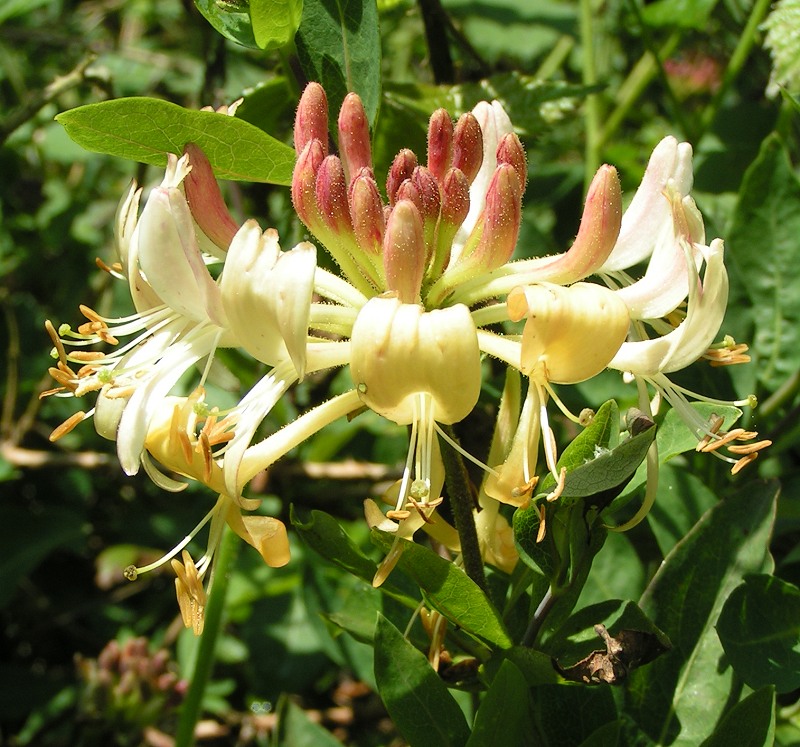
Honeysuckles are a lesser-known shrub that is prized for its delicate fragrance and pretty flowers. It grows quickly, so it can be propagated to spread through your garden without breaking the bank! Cut honeysuckle in either soft or hardwood before planting them in containers on patios or decks.
8. Hydrangeas
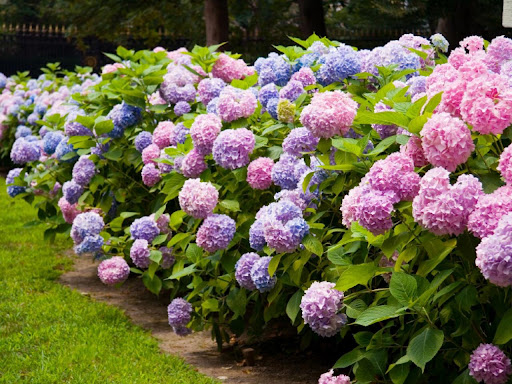
Hydrangeas are a wonderful plant, and their color varies depending on the acidity in soil. One can find blue flowers or pink ones that have an array of colors in-between those two extremes; white is also found sometimes! In order to propagate them easily one needs only take cuttings from either softwood or hardwood phase material.
9. Lavender
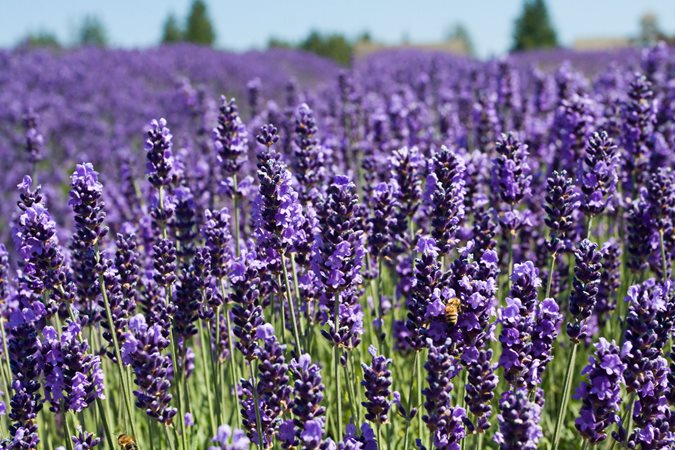
Lavender is a herb plant that has been popular for centuries, due to its fragrant aroma and low maintenance care. Lavenders can be grown from hardwood or softwood cuttings whichever you prefer!
10. Lilacs
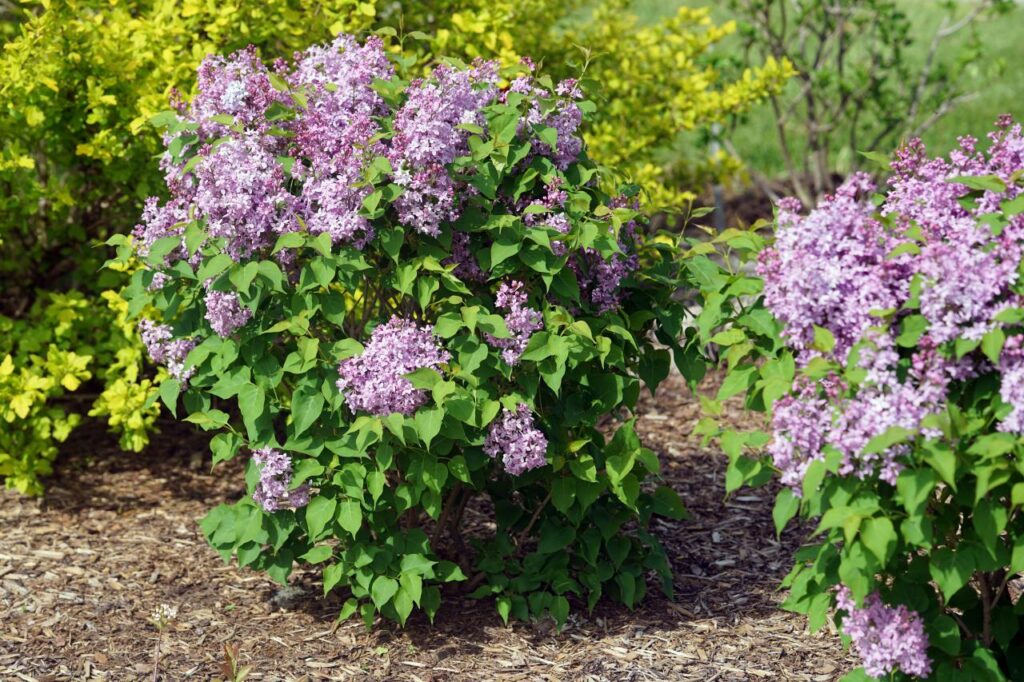
Lilacs are a symbol of love, and their strong fragrance is deeply loved by many. These beautiful flowers can come in shades of white to purple, but the most common colors they appear as are typically blue or pink lilac blooms with an intense scent that attracts pollinators such as bees. They make excellent hedges for privacy when grown along trellises or on fences because they also act like good sources of shade from the sun!
To grow these beauties at home you will need fresh wood cuttings taken early in spring before bud break begins around mid-March–but only if your space has been properly pruned beforehand so new growths have room to be planted without fear for crowding out other plants nearby.
11. Magnolias

Magnolias are trees that grow much taller than their smaller deciduous varieties. The Stardust variety is only about 4 feet tall and produces consistent blooms of purplish-red with pink interiors, while the Nigra has a more inconsistent bloom cycle due to its height. Magnolias should be cut during their “semi hardwood phase” for best results in both appearance and smell.
12. Mock Orange
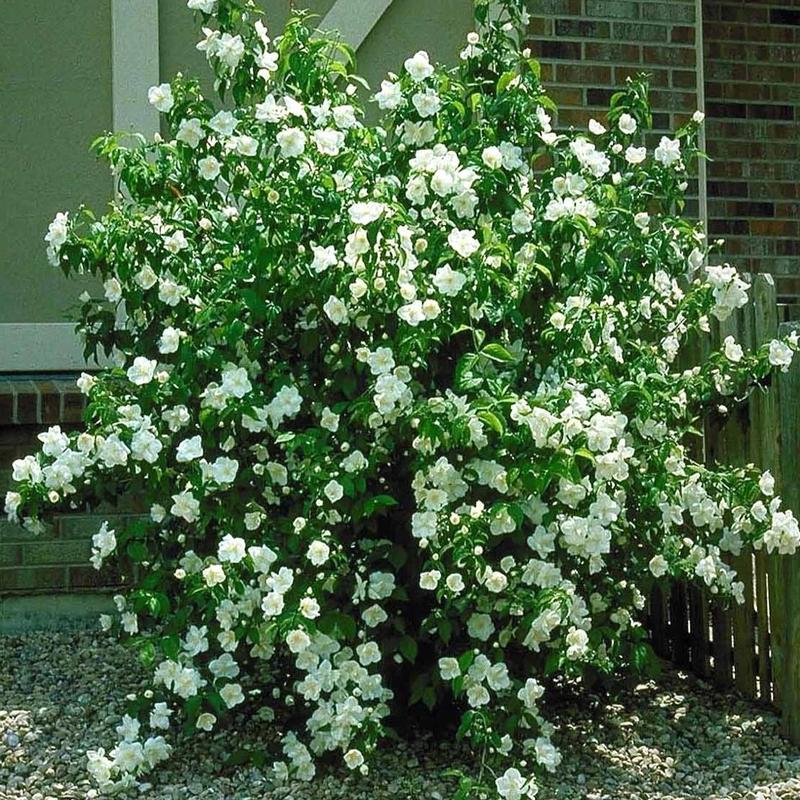
Mock orange shrubs are known for their sweet, citrus scent. Despite the name, these plants do not produce oranges but they will fill your garden with a tart and refreshing fragrance that only blooms during two weeks of the year before greening up again to provide some shade from summer heat!
To grow one in your own backyard you can take softwood or hardwood cuttings; this plant is easy enough even for beginners!
13. Shrub Roses
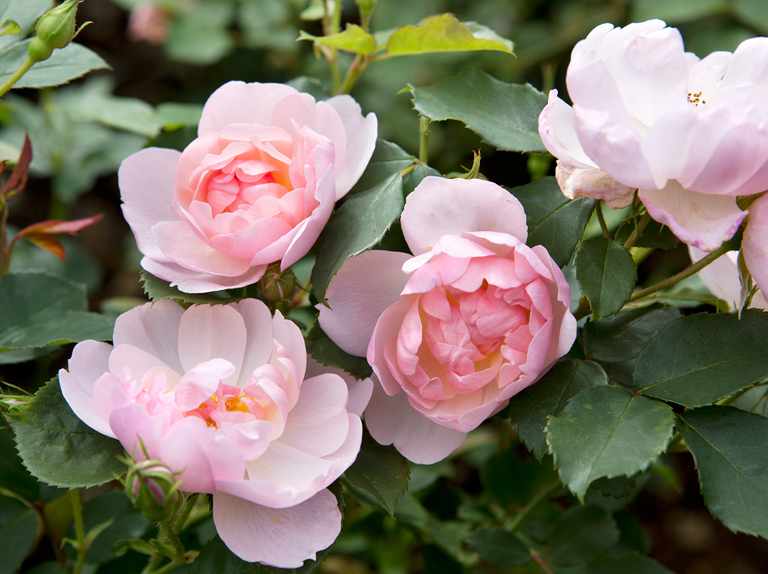
These flowering shrubs are ideal for any space because they grow so well from a variety of cutting types. The common name refers to the entire category of roses, all with beautiful fragrant flowers and easy-care features that will ensure your garden is flourishing in no time.
Shrub rose bushes can be grown anywhere as long as you give them some love!
14. Wisteria
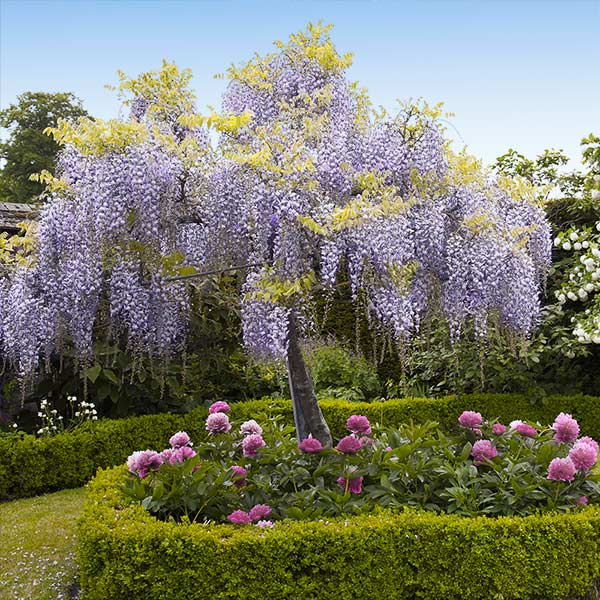
In the spring time, wisteria is a delightful plant that fills your garden with its sweet fragrance and beautiful purple blooms. They’re often used as climbing vines in order to provide beauty and shade for homes or fences but are also great for privacy!
You’ll want to take cuttings of this vine during late summer when it’s softwood so you can root them easily.
15. Witch Hazel

Witch hazel is a small tree with yellow blooms that can be used to treat sunburn and insect bites. Whether you’re looking for color or fragrance, witch hazel shrubs are an excellent option for your garden during the winter months!
With its fragrant flowers in full bloom all year long, it’s also a great choice if you need something easy-to-grow (just make sure not to cut into roots when planting).
What Are Shrubs, Exactly?
A shrub is a plant that grows low to the ground. You can propagate hundreds or even thousands of different kinds, but this article’s focus is primarily on how to grow them from cuttings. A shrub is a plant that has many branches, rather than just one single branch like trees do.
They can grow both in wild areas and city landscapes because they are not too tall to see over or around them but also have enough leaves to make up for the lack of flowers or fruits. Shrubs provide a beautiful and natural addition to any garden.
The best time of year for propagating shrubs is during the period when it’s dormant, or not actively growing (late fall/winter) as well as in late spring once new growth begins. Those are two specific phases that you can customize your cutting process accordingly- see “Types of Cuttings” below!
Preparing a Cutting
When you’re ready to take a cutting from one of your shrubs, do it right. Get all the tools out – sharp scissors or knife in hand, pot and rooting hormone nearby for when you need them most. Once everything is set up nice and neat on the table beside your plant, use either clean clippers or a sterile blade (depending upon which instrument will be easiest for this task) to cut through some healthy stem near an eye-catching bud at its base as close as possible without damaging any back branches that may sprout new growth later down the road.
First, cut a piece of the stem that is between six and twelve inches. Be sure to leave some leaves on your cutting! Remove any flowers from the end so they don’t draw away energy from rooting. You will need to cut off the stem right below a node with clean, sharp scissors. This is where you bottom leaf connects to the stem and this cutting point encourages faster regrowth for your plant.
To encourage even more growth in this area of the tree, dip just that lower end (about 1 inch) into rooting hormone before putting it back in soil! Apparently, the best way to propagate a plant is by cutting. If you’re not sure what I mean then let me tell ya’ll how it’s done!
First put some rooting hormone on your cuttings and stick them in a damp potting mix. And don’t forget that they need just enough water so that they can soak up as much oxygen as possible but also stay hydrated–don’t use too much or else rot will set in really fast! Make sure to keep this climate stable with plastic wrap; place the pots somewhere warm where there are ample amounts of light without direct sun rays for optimal growth time (about four weeks). One way to take care of your new plant is by checking it every few weeks.
This will help you know whether or not roots have developed which can make things easier in the future, since this means that you’ll be able to transplant them once they’ve become strong enough and weather is appropriate for outdoors planting!
Types of Cuttings
There are many types of stem cuttings you can take from plants, but the steps to rooting them all vary in some way or another. There’s woody plant cuttings and shrub (softwood, semi-hardwood, and hardwoods) cutting that come with their own set of instructions for how they should be rooted as well!
Shrubs are a tough plant to take cuttings in the greenwood stage. Instead, they’re typically much woodier than annual plants and don’t grow well at this time of year. We will be giving you definitions for shrub types as well as flowers that fall into each category.
Softwood
When planting shrubs, it is best to use the softwood because this part of the stem contains new growth that can take root. The fresh and green tips are more likely to rot before any roots form while older sections in base will not grow as easily due their toughness.
When you plant a shrub with your garden tools, make sure that these delicate plants get taken care of properly by using only those parts where they have just started growing on them – or what we call “softwoods”- so avoid cutting off too much for good measure! In late spring or early summer, most shrubs can be cut with softwood.
In order to know whether a piece of wood is suitable for cutting into sprouts (softwoods), bend it and see if the end snaps off cleanly – easy as pie! If you’re still unsure about your next step in gardening, go find some hard woods try bending them; they’ll never break but will stay unbent no matter what.
Hardwood
Hardwood is the part of a plant stem that cannot be bent unlike soft wood, and in order to propagate shrubs from hardwood cuttings they should taken before winter – when it will not grow new shoots. For many gardeners, the wait for a hardwood cutting is simply too long.
But with patience and proper care, their investment will soon pay off in beautiful blooms that last longer than summertime’s fleeting pleasures! The great thing about these cuttings is that they are very hardy and can be kept outside, all year long. If you have the patience to wait while it grows its roots on your property, there’s no hassle involved with plants in this category at all!
All you’ll need to do if keep them watered throughout their growth period and watch out for any pests or diseases – but even then most of these issues will fix themselves without much effort from us human gardeners.
Semi-Hardwood
The semi-ripe cuttings are made up of partially mature wood, just after a spurt at the end of the current season. They tend to be tough with reasonably firm wood and leaves that have matured in size. This is middle ground between softwood and hardwood cuttings as they can fall into either side depending on their maturity level (as implied by its name).
Fall is the time to start preparing for new additions to your garden. Semi-hardwood cuttings are a great way of getting those plants you’ve been mulling over all summer started early, which leaves more space in your yard and greenhouse during the winter months!
Taking semi-hardwoods can help give these vulnerable softwoods an extra boost of hardiness that will surely come in handy as we head into colder seasons faster than ever before.
Conclusion
Shrubs can be a beautiful and productive addition to any garden, but you may not know when the best time is for cutting them. Growing new plants from shrubs that already exist in your yard will result in greater production of flowers or fruit as well as less cost with more convenience than purchasing brand new ones.
Choose a few of your favorites shrubs and get started in your own garden today!

You must be logged in to post a comment Login