Gardening Guide
15 Bell-Shaped Flowers
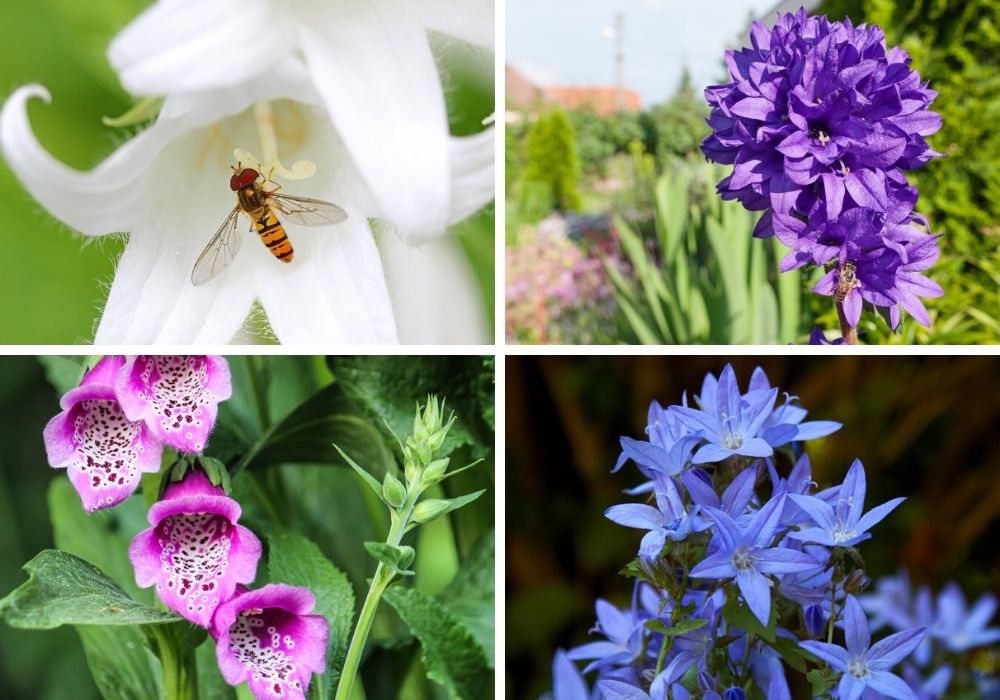
Bell-shaped flowers are great additions to flower gardens and hanging baskets because they can provide an intriguing centerpiece.
If you’re looking for unique flowers shaped like bells, then this list is a must-read. I found some of the most attractive bell flower options on here!
15 BELL-SHAPED FLOWERS
1. Bluebells (Hyacinthoides)
Bluebells are the best flowers for attracting bees and butterflies to your garden. The bell-shaped, sweet smelling beauties come in shades of blue that you won’t be able to resist! Plant them this fall 4 inches (10 cm) deep with partial sun exposure.
Bluebells are a great option for any gardener! In warmer climates, they can be left as annual plants. However, in cooler temperate zones you may need to leave them out year-round so that they will resprout the following season.
These beautiful flowers have been largely ignored by animals like rabbits and squirrels which means there is little risk of your blueberry patch being destroyed or eaten up by these critters!
2. Coral Bells (Heuchera)
Coral bells are a perennial plant that grow from spring until early summer. The flowers on the bell-shaped blooms can be either pink, red or white and they bloom best in partial shade of woodland gardens.
3. Lily of the Valley (Convallaria majalis)
Lily of the valley is a beautiful flower that grows naturally in woodland areas. It requires moist soil and partial shade to grow well, which makes it perfect for people who want an easy-to take care of the plant.
The 12-inch stems can produce up to 15 small white flowers with bells shaped like trumpets that bloom during spring or early summer! Growing from underground rhizomes, Lily of the Valley plants should be planted by late fall to provide them with their cold dormant period.
The plant then produces small red berries after flowering and can often be found in shady areas.
4. Bellflower (Campanula)
A bellflower is a plant that can grow anywhere from small groundcovers to tall plants and come in many different colors.
They do best when planted near the beginning of spring or late fall, but will still be able to thrive without any seasonal changes as long as they are given plenty of sunlight each day.
5. Foxglove (Digitalis purpurea)
The foxglove flower has a unique appearance and character. With its bell-shaped flowers, it’s an excellent choice to add diversity in the garden with colors that range from purple to red.
The plant will thrive best when planted in full sun or partial shade but for hotter climates, some afternoon shading is recommended as well so you don’t get too much heat on your plants during peak hours of sunlight exposure throughout the day.
As long as they’re trimmed off every once and awhile, these beauties can self-seed wherever their heart desires!
6. Canterbury Bell Flower (Campanula medium)
Canterbury bells are beautiful biennial flowers that can be purple, pink, blue or white. They grow to 2 feet tall and they do better in partial shade than full sun; however, this is not a strict rule for them.
Canterbury bell flowers bloom from late spring until summertime and require little effort on the gardener’s part when it comes time to plant them because you only need to wait patiently as their seedlings germinate before your eyes!
7. Snowdrops (Galanthus nivalis)
As snow falls, the delicate white flowers of a snowdrop pop up in late winter or early spring. These frost hardy plants can reach 3 to 6 inches high and will even flower when there is still plenty of snow on the ground!
Although they’re best planted in fall before it gets too cold out, you’ll have 2-4 years for them to mature so don’t worry about planting now—they won’t bloom anytime soon anyways.
8. Snake Head Fritillary (Fritillaria meleagris)
The snake head fritillary is a beautiful flower with an interesting and unique shape. It typically starts off looking like the slithering tongue of a serpent, before opening into an elegant bell shaped blossom, reminiscent to that of its namesake.
The flowers are usually purple in color (as shown), but they can also be burgundy or white if it’s not too hot out yet! They prefer cool climates growing best where there is partial shade from trees overhead – so make sure you check your spot to see how much sunlight exposure will reach ground level on any given day.
9. Bells of Ireland (Moluccella Laevis)
Bells of Ireland are stunning, tall flower plants with large green bell shaped blooms that can grow up to 4 feet (120 cm) tall.
These flowers make great back border decorations and they’re simple to plant from seed. They will be a long lasting source for your home’s floral arrangements!
10. Angel’s Trumpet (Brugmansia spp.)
The Angel’s Trumpet is a fast growing shrub or small tree with an abundance of fragrant and brightly colored bell-shaped flowers.
This plant does best in tropical regions but can also be planted inside for the winter months, giving you access to these beautiful plants all year round!
You might want to take some precautions though if you are looking into adding this flowery treat as it’s poisonous to humans and pets so make sure that if there isn’t any chance they will come into contact with your new addition–wear gloves when working around them!
11. Fuschia
Fuchsia is a delicate flower that hangs down from the plant and can be pink, purple, red or white. They grow best in partial shade and prefer cooler temperatures so it’s perfect for your hanging baskets!
Regular deadheading helps to prolong flowering period by removing old blooms as they fade which ensures new flowers will continue to form until frost kills them off during the winter months.
12. Mountain Laurel (Kalmia latifolia)
Mountain laurel have small, white flowers that grow in clusters. The plants are aromatic and can reach heights of 5-15 feet (1.5 to 4.5 meters).
They thrive best in partial shade and will flourish with the same growing conditions as azaleas or rhododendrons do!
13. Penstemon
Penstemon is a perennial flower that can grow anywhere from 6 inches to 5 feet tall.
These flowers come in many different colors and are great for attracting butterflies because of the vibrant blooms, or hummingbirds with its sweet taste as they drink nectar out of it’s bell shaped bud.
14. Grape Hyacinth (Muscari)
Grape hyacinths are gorgeous little flowers that you can plant in front of taller ones to make the arrangement more interesting. They’re hardy, drought-tolerant and will come back year after year with just a bit of water every now and then!
Grape hyacinth flowers typically have blue or purple petals but some growers offer white or pink varieties as well.
15. Daffodil (Narcissus pseudonarcissus)
Daffodils are a welcome sight in early spring as they pop up from the ground to announce that warmer weather is on its way. These cheerful, bright flowers come in an array of colors including yellow, orange and white with hints of peach or bicolors.
They can be planted any time between late Fall through Early Spring but look best when grouped together rather than spread out throughout your garden space for maximum effect.

You must be logged in to post a comment Login