Gardening Guide
10 Genuis Borax Uses in the Garden That Will Surprise You
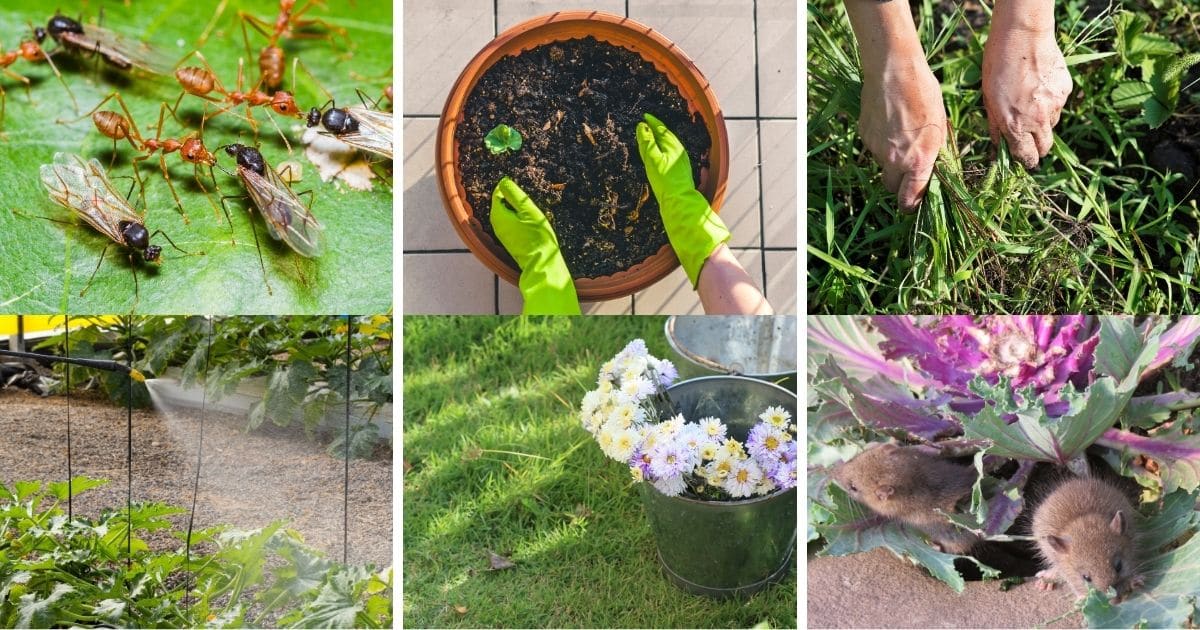
Borax is a common additive for many home cleaning products, but borax can also be used in the garden. It’s an excellent laundry booster and it can even help control ants!
Borax should not be used on plants that are easily damaged by high concentrations of salt or soaps because it will have toxic effects on them. In this article, you will find a list of all the ways borax is used for plants. Borax can be an effective solution to many gardening problems and we want to help plant-lovers out with some key tips on how it should be applied most effectively!
Read through our suggestions below if your goal in planting or gardening is not just beautiful flowers but also healthy soil that does not need fertilizers every other day.
Borax Uses in the Garden
You may not think of borax as a useful tool for your garden, but it can be! Borax is found in nearly every home, making it an accessible and versatile product that you should start using today.
This article will show you the top ways to use this common household item around your yard or at its best: inside under-counter cabinets where there’s plenty more left.
1. Ant Killer
Borax has been used as an insecticide for years, but it is also a great way to get rid of pesky ants. If you find yourself overrun with the little insects in your garden and want to make sure nothing bad happens while producing food, this natural product can help!
Borax is not only a powerful ant killer but also can be detrimental to children and pets. So before you kill ants with borax for good, make sure it’s in an area where no one will get into trouble!
For the best way to kill ants, sprinkle borax on an anthill. For a more creative approach, mix it with sugar or honey and then spread some near their homesites for them to eat! They’ll go crazy over this sweet treat that’s also fatal in large doses.
2. Fertilizer
Borax is a well-known ingredient in many household products, but it can also be used to increase the fertility of flowers and plants! One way we use Borax as fertilizer is by using boron deficiency prevention root powder. Boron deficiencies are common among flowering plants which may experience stunted roots or produce empty pollen grains with no juice inside them.
Boron deficiencies might be the cause of a number of problems in your garden, like darkened fruit and dying leaf tips. If you notice any other signs that boron is low: black spots on leaves or cracked stems – it’s time to get soil tested!
More often than not, soils with sand as their main component have too little boron; this means if you’ve been adding composted material into your dirt but haven’t seen an improvement in these symptoms after some time then there may need to be another type of additive for better nutrients because sandy soil doesn’t provide enough trace minerals such as boric acid which are essential for plant growth.
The boron needs of plants varies and are dependent on the plant. For example, strawberries need more boron than cabbage or apples to thrive while celery does not require as much. If your garden has these types of crops then using a salt-like chemical called Borax can help add some in! Just be sure to read the label for how much you should use since excessive amounts will kill any living thing nearby including humans, animals, fish, etc…
3. As a Weed Killer
You may be thinking that borax is just for the laundry, but it also has a surprising side effect. Borax can actually kill weeds! If your garden contains too many unwanted plants in the form of pesky weeds and you’re desperate to get rid of them fast then don’t worry-borax could help eradicate those nasty pests from your yard.
To take out these stubborn invaders using this handy household product all you have to do is combine 10 ounces with two gallons or so (plus some water) before spraying on desired leaves/stems. You should always try to avoid spraying plants that you want to keep alive, but if you have a garden full of weeds and other unwanted flora it may be necessary.
Spray plant leaves carefully with soapy water in order not to let the solution leach into your soil or irritate any bare skin nearby; this will only help them grow back stronger than ever!
Borax is a great way to kill weeds in your driveway or sidewalk areas, but it might not be the best idea when you live near plants. Borax can cause damage and runoff that will harm any nearby vegetation so make sure to avoid spraying this mixture on days where rain is expected.
4. Clean Garden Tools
Borax is a useful tool for all your gardening needs. Use it to disinfect and clean garden tools, or even use borax as an insecticide by putting some in the root system of plants you want protected from pests!
Borax is the perfect solution to any tough pot stains. All you need to do is combine ½ cup of borax with a gallon of warm water and scrub away those pesky problems. Rinse them down thoroughly before leaving your pots in the sun for drying out. If your tools and equipment are covered in rust, borax is here to save the day. Squeeze some lemon juice on top of a little bit of borax until it forms a paste.
Apply this mixture onto rusty parts of your tools for half an hour before scrubbing with a brush to remove any leftover residue from the cleaning process; you may need to repeat if previous layers have become worn out or even more rusted after use!
Borax is a naturally occurring mineral that can be used to make your home cleaner and more eco-friendly. To do so, mix half of a cup with one gallon of hot water (you may also include lemon juice) in order to give it an extra boost.
5. As a Foliar Spray
Borax is a mineral and can be used as both an insecticide, fungicide, herbicide and fertilizer. You can also use it to help plants if they are deficient in boron by making a diluted solution of the substance.
You won’t have to worry about your leaves with this potion – you can barely apply it. You do not need much and should only spray every three years or so.
6. Help Roses Resist Pests
Pests like greenflies are always a thorn in the side of gardeners. When they land on your precious roses, there’s no better way to get rid than by dissolving borax into warm water and adding it to cold water for 600 ml worth of solution that you can then apply onto your flowers!
7. Deodorize the Garden Area
Get stinky smells out of your garden for good with a sprinkle of borax. Apply it in spots where kids and pets can’t get to it, so you don’t have any unpleasant surprises while harvesting some fresh basil!
Banish foul odors from the vegetable patch by sprinkling on some borax around its perimeter – but make sure not to put this near plants that children or animals are likely going to be eating anything from (like sweet peppers).
8. Boost Sandy Soil
Borax is an efficient way to counteract the effects of nutrient-leaching sandy soil. Simply sprinkle six or seven tablespoons on top and let sit overnight for full absorption before you plant your seedlings! If you find that natural soils leach nutrients, Borax can help by adding boron.
Just use a heaping spoonful per day until all has been absorbed into the ground – then it’s time to start planting those seeds!
9. Banish Mice for Good
Borax is a great option for those of us who have been plagued by mice, but we can also use this to our advantage. For instance, it’s popularly used in pest control products that keep pesky rodents from getting into fruits and vegetables!
10. Preserve Cut Flowers
You love cutting flowers from your garden, but you hate when they start to wilt. If so, it’s borax to the rescue once more! Borax will prevent premature wilting of leaves and flowers as it removes excess moisture.
Simply add one part borax mixed with two parts cornmeal into a vase or container then add cut flower petals for an instant floral arrangement that is sure not to die on you soon after cutting!
Tips When Using Borax In Your Garden
Many gardeners believe that borax is a safe, natural product. However, while it may be safer than commercial products in small doses, the opposite can also hold true for large amounts of exposure. When handling this substance you must wear both gloves and a dust mask to protect yourself from its harmful effects.
Keeping in mind that children and animals can be harmed by borax, you need to take precautions when working with the substance. Don’t make a mistake of confusing it with boric acid either because not only is this type harmful for humans but will do nothing for your garden as well. Remember to test your soil before adding borax.
There is a fine line between toxicity and deficiency, so you will want to make sure that it’s actually needed in the first place or just go with other garden amendments like these ones here! These solutions are perfect for all of those gardening tasks around the house.

You must be logged in to post a comment Login