Fruits
10 Best Tips For Successfully Growing Strawberries
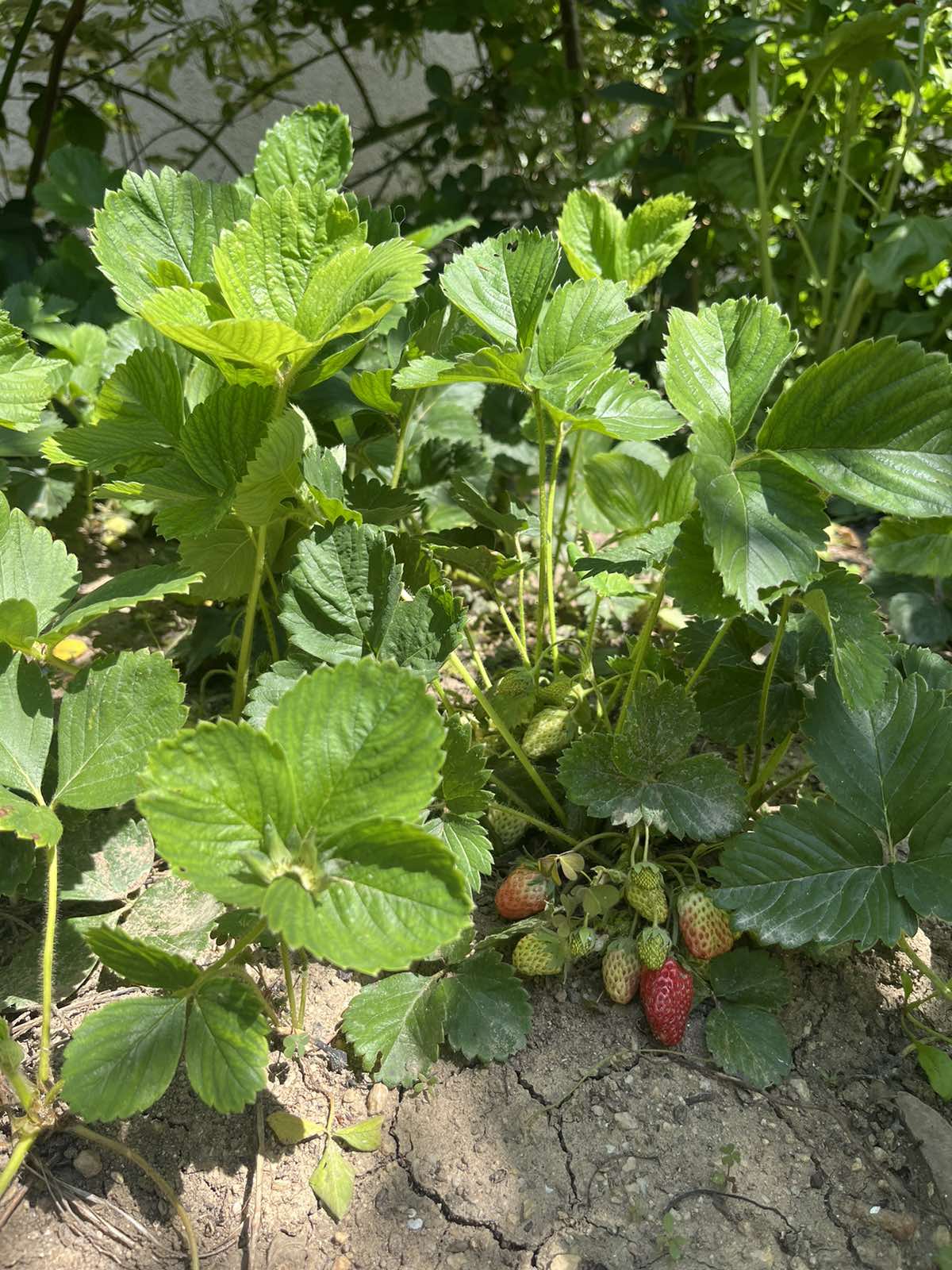
Strawberries are not just delicious, but they’re also a rewarding fruit to grow at home. Whether you have a large garden or a small balcony, with the right care and attention, you can enjoy a bountiful harvest of juicy, sweet strawberries. To help you maximize your strawberry yield, here are the top 10 tips for successfully growing strawberries:
- Choose the Right Variety: Selecting the right variety of strawberries is crucial for successful growth. Some varieties are better suited for certain climates or conditions than others. For instance, if you live in a cooler climate, opt for varieties like ‘Albion’ or ‘Seascape’ which are known for their tolerance to colder temperatures.
- Provide Adequate Sunlight: Strawberries thrive in full sunlight. Ensure that your strawberry plants receive at least 6-8 hours of direct sunlight each day. If you’re growing them in containers, place them in a location where they can soak up the sun.
- Plant in Well-Draining Soil: Strawberries prefer well-draining soil that is rich in organic matter. Amend your soil with compost or well-rotted manure before planting to improve its texture and fertility. Avoid waterlogged soil, as it can lead to root rot.
- Water Consistently: While strawberries require regular watering, it’s important not to overwater them. Keep the soil consistently moist, but not soggy. Water early in the morning to allow the foliage to dry off during the day, which helps prevent diseases.
- Mulch to Conserve Moisture: Mulching around your strawberry plants helps retain soil moisture, suppresses weeds, and keeps the fruits clean by preventing them from touching the soil. Organic mulches like straw, shredded leaves, or pine needles work well for strawberries.
- Fertilize Appropriately: Feed your strawberry plants with a balanced fertilizer that is high in potassium and phosphorus, but low in nitrogen. Too much nitrogen can result in excessive foliage growth at the expense of fruit production. Apply fertilizer according to the manufacturer’s instructions, typically in early spring and after harvesting.
- Control Weeds and Pests: Regularly inspect your strawberry plants for weeds and pests, and take prompt action to control them. Mulching helps in weed suppression, but hand-weeding may still be necessary. Keep an eye out for common pests like slugs, snails, and aphids, and use organic or chemical control methods as needed.
- Prune Regularly: Pruning strawberry plants is essential for promoting healthy growth and maximizing fruit production. Remove any dead or damaged foliage, as well as runners (long stems that emerge from the mother plant). This encourages the plant to focus its energy on producing fruits.
- Protect from Frost: If you live in an area prone to late spring frosts, take precautions to protect your strawberry plants. Cover them with frost blankets or row covers when frost is expected, or consider growing strawberries in containers that can be moved indoors during cold spells.
- Harvest at the Right Time: Harvest your strawberries when they are fully ripe for the best flavor and sweetness. Ripe strawberries will be uniformly red with no white or green patches. Gently pick them from the plant, taking care not to damage the delicate fruits or stems.
By following these 10 tips, you can ensure a successful strawberry harvest year after year. With a little care and attention, you’ll be enjoying the taste of homegrown strawberries straight from your garden or balcony in no time.

You must be logged in to post a comment Login